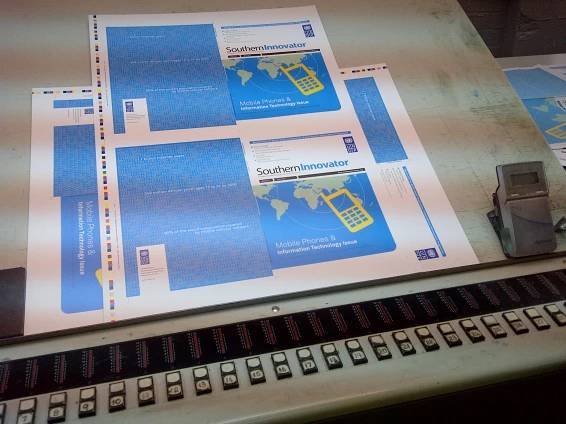
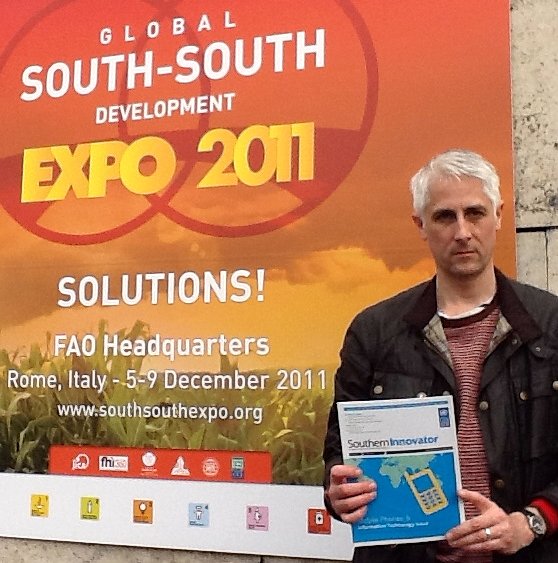
Launched in May 2011, the new global magazine Southern Innovator (ISSN 2222-9280) is about the people across the global South shaping our new world, eradicating poverty and working towards the achievement of the Millennium Development Goals (MDGs).
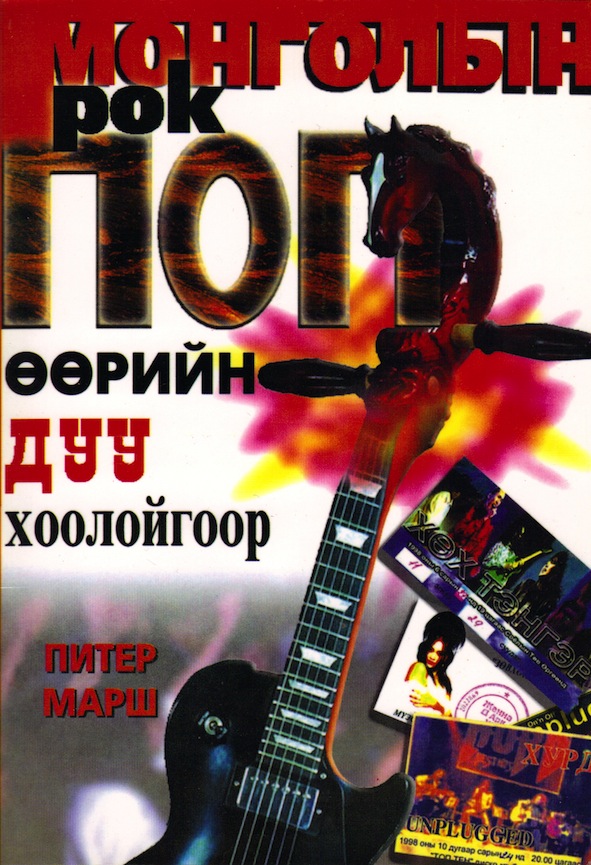
It was the late 1990s. Mongolia was still recovering from “one of the biggest peacetime economic collapses ever” (Mongolia’s Economic Reforms: Background, Content and Prospects, Richard Pomfret, University of Adelaide, 1994). But it was the country’s young musicians who were showing the way out of the crisis, setting an example for entrepreneurship in the new, free-market economy that emerged in the country after 1990.
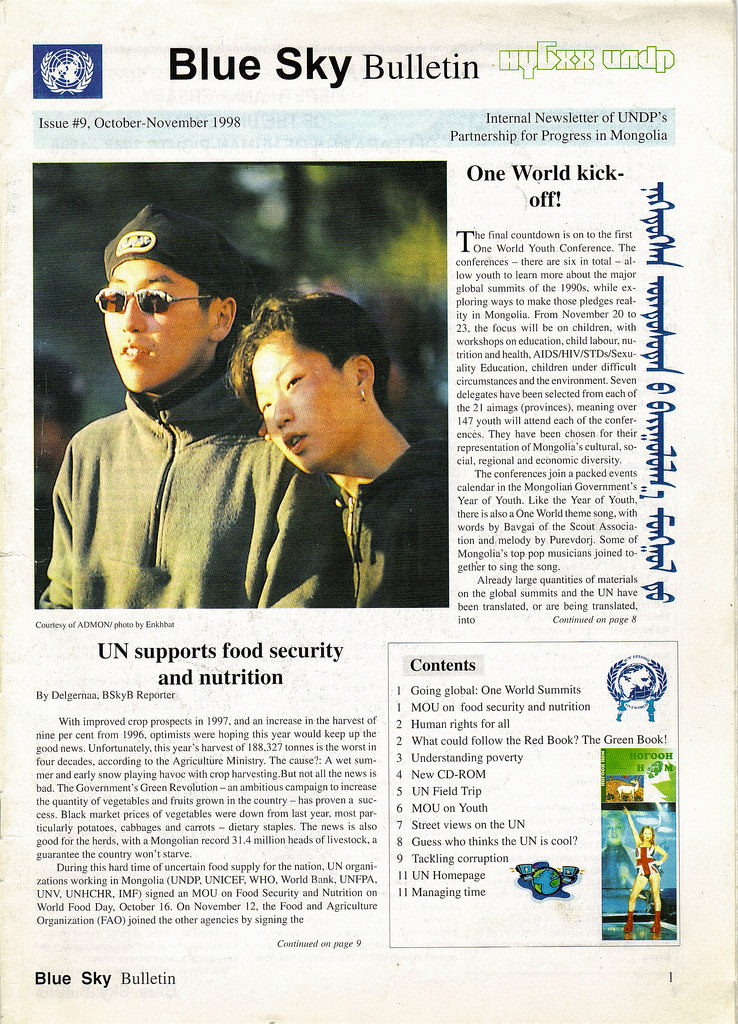
As UNDP Communications Officer N. Oyuntungalag wrote in the Blue Sky Bulletin (BSkyB) newsletter, “A thriving pop and rock scene has emerged over the last four years. .. The energy of these musicians and singers has not gone unnoticed by the burgeoning advertising market. Pop bands are promoting many things, from face creams to beer. … [but] there has been little serious writing on the business of popular music.”
As the book’s author, American ethnomusicologist Peter Marsh, said in an interview with UNDP’s Blue Sky Bulletin newsletter, “we thought our book would provide important ideas about the direction and nature of the nation’s development.
“My impression about Mongolian pop-rock is that it is a lively, diverse and at times innovative Mongolian art form that closely reflects many of the hopes, fears and aspirations of its primary audience, Mongolian youth.”
The book still stands as an unusual and innovative contribution to thinking around the role played by youth in development and business and in crisis recovery.
Google Books Key Words: авдаг адил аль англи аялан байж байлаа байх байхад байхгүй бараг барууны бас бензин Бид нар бидний биз бизнес бий биш болох бөгөөд бусад бүжиг бүр бүтээлчид бүх гадаад гадаадад
In 1998 and 1999, the United Nations in Mongolia began the six One World Youth Conferences – on children, human rights, population and development, social development, women and development plus a national summit. One World brought together youth from across Mongolia to debate and challenge the country’s decision-makers on how they were meeting Mongolia’s international obligations.
It drew praise from then-UN Secretary-General Kofi Annan: “This One World Conference Series is a shining example of Mongolia’s determination to build a more democratic and prosperous future for all its citizens based on human rights, good governance, and a free and fair market economy. … Never should young people have to be protected from government.”
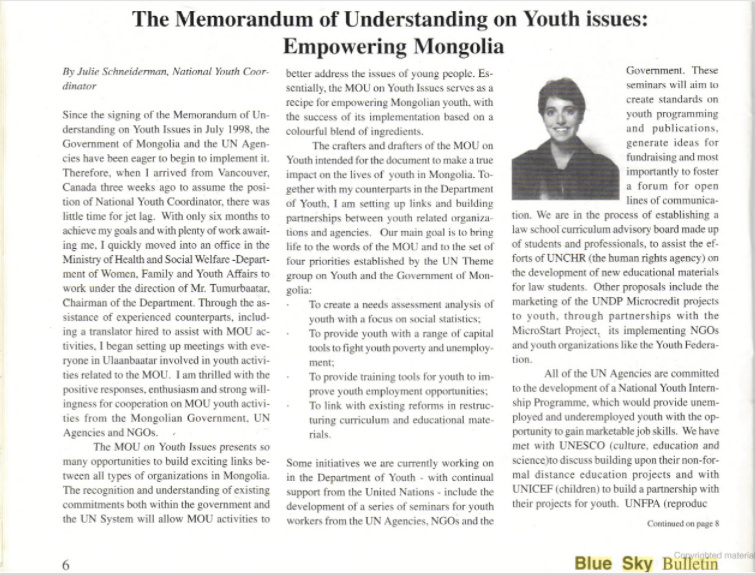
Blue Sky Bulletin Issue 9: The One World Kick-Off!Blue Sky Bulletin Issue 10: The youth of One World featured on the cover.The Memorandum of Understanding on Youth: Negotiated with the Government of Mongolia, it led to the One World Youth Conferences. Pictured: National Youth Coordinator Julie Schneiderman.The Nobel Peace Prize 2001 joint winners. “Never should young people have to be protected from government.” Kofi Annan, UN Secretary-General, 1999.
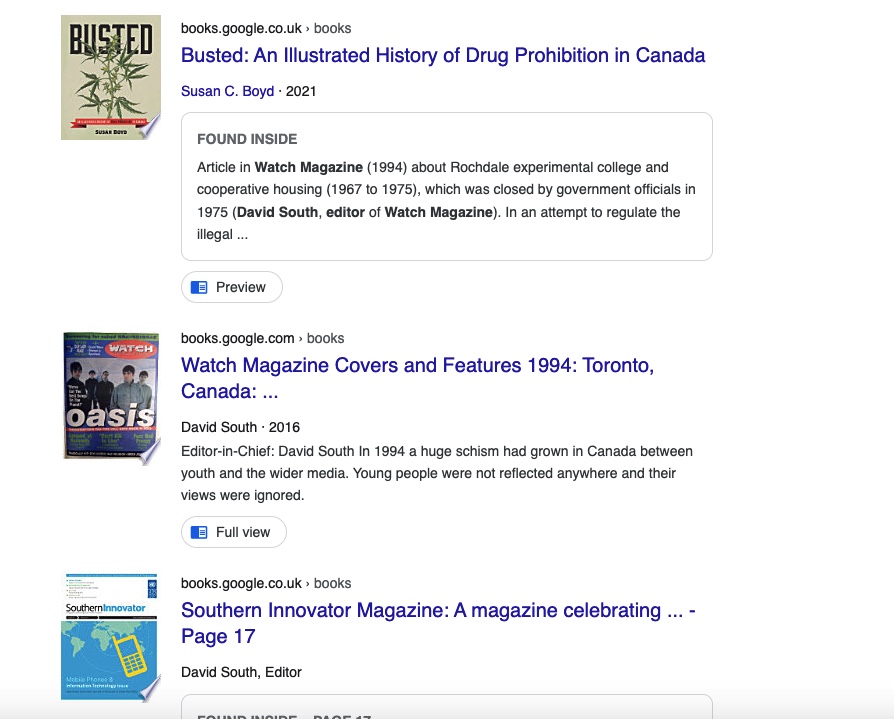
Upon my return from a United Nations workshop in Dhaka, Bangladesh, I was delighted to receive a copy of the new book Busted: An Illustrated History of Drug Prohibition in Canada (Fernwood Publishing, 2017, ISBN 978-1-55266-976-1) by Professor Susan Boyd from the Faculty of Human and Social Development at the University of Victoria in British Columbia, Canada.
Busted: An Illustrated History of Drug Prohibition in Canada by Susan Boyd (Fernwood Publishing).
It is a beautifully illustrated book and an excellent introduction to Canada’s unique history surrounding drug use and drug prohibition. As the country embarks on a new phase in its relationship to some drugs, the book gives the bigger picture that many Canadians are probably unaware of. Canada had a period of extensive social experimentation in the late 1960s and early 1970s, defying perceptions the country is ‘boring’ and where excitement doesn’t happen.
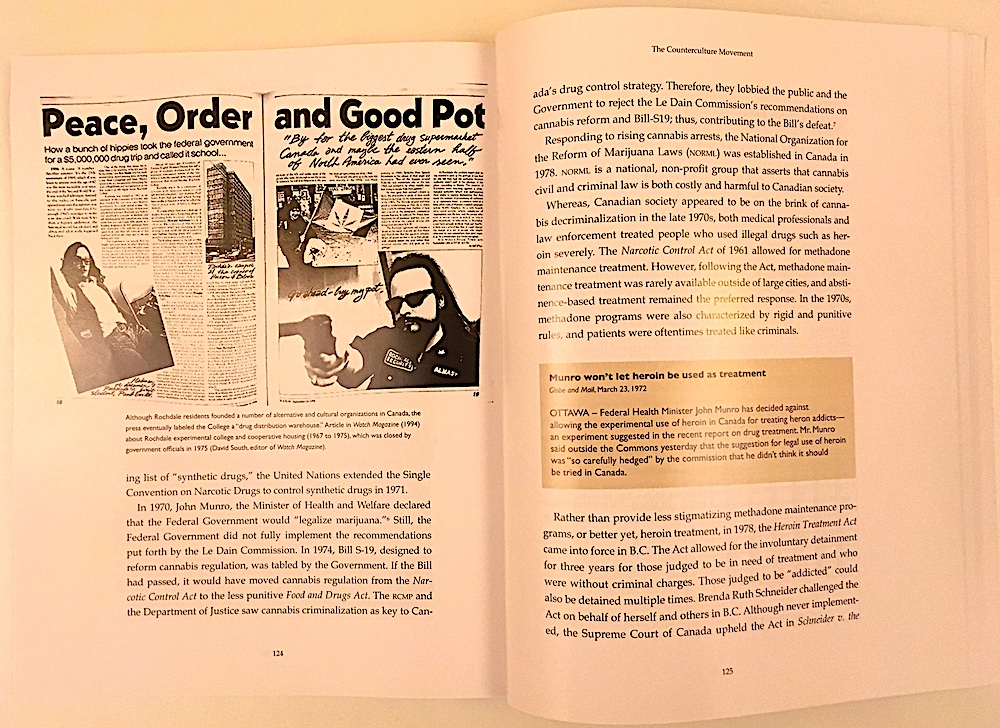
A feature we did for Toronto’s Watch Magazine in 1994 (in which I was Editor-in-Chief) is on page 124 in the chapter on The Counterculture Movement: The 1960s and 1970s.
















 David South Consulting
You must be logged in to post a comment.