Categories
Archive Hannah Institute for the History of Medicine

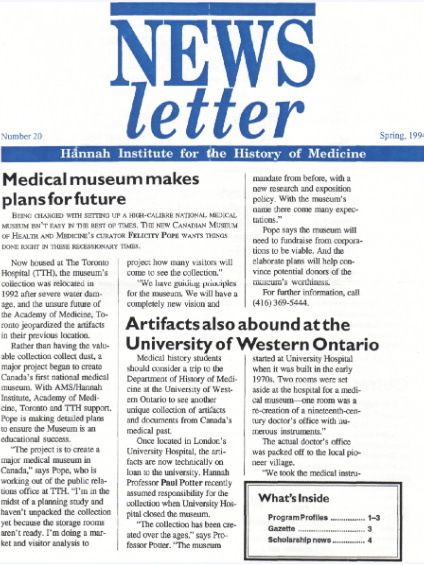
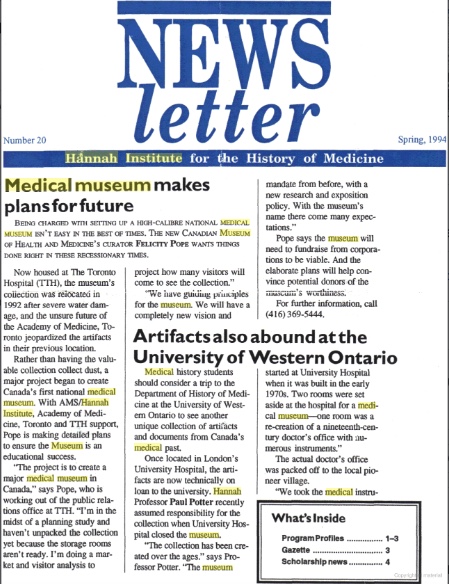
Medical museum makes plans for future

By David South

Hannah Institute for the History of Medicine Newsletter (Toronto, Canada), Number 20, Spring, 1994

Being charged with setting up a high-calibre national medical museum isn’t easy in the best of times. The new Canadian Museum of Health and Medicine’s curator Felicity Pope wants things done right in these recessionary times. 

Now housed at The Toronto Hospital (TTH), the museum’s collection was relocated in 1992 after severe water damage, and the unsure future of the Academy of Medicine, Toronto jeopardized the artifacts in their previous location. 

Rather than having the valuable collection collect dust, a major project began to create Canada’s first national medical museum. With AMS/Hannah Institute, Academy of Medicine, Toronto and TTH support, Pope is making detailed plans to ensure the museum is an educational success. 

“The project is to create a major medical museum in Canada,” says Pope, who is working out of the public relations office at TTH. “I’m in the midst of a planning study and haven’t unpacked the collection yet because the storage rooms aren’t ready. I’m doing a market and visitor analysis to project how many visitors will come to see the collection.”

“We have guiding principles for the museum. We will have a completely new vision and mandate from before, with a new research and exposition policy. With the museum’s name there come many expectations.”

Pope says the museum will need to fundraise from corporations to be viable. And the elaborate plans will help convince potential donors of the museum’s worthiness. 

Artifacts also abound at the University of Western Ontario 

Medical history students should consider a trip to the Department of History of Medicine at the University of Western Ontario to see another unique collection of artifacts  and documents from Canada’s medical past. 

Once located in London’s University Hospital, the artifacts are now technically on loan to the university. Hannah Professor Paul Potter recently assumed responsibility for the collection when University Hospital closed the museum. 

“The collection has been created over the ages,” says Professor Potter. “The museum started at University Hospital when it was built in the early 1970s. Two rooms were set aside at the hospital for a medical museum – one room was a re-creation of a nineteenth-century doctor’s office with numerous instruments.”

The actual doctor’s office was packed off to the local pioneer village. 

“We took the medical instruments and doctors’ ledgers. I took the things that were more interesting from a medical history perspective.”

And what’s there to see? For shock value there are the gruesome instruments of Victorian medicine – bloodletting knives and cups and surgical saws. Also on display is London’s first electro-cardiogram machine and microscopes dating back to the mid-1800s. 

For Professor Potter, the collection livens up medical school lectures and provides a valuable research resource at the university.
Creative Commons License

This work is licensed under a
Creative Commons Attribution-Noncommercial-No Derivative Works 3.0 License.

ORCID iD: https://orcid.org/0000-0001-5311-1052.

© David South Consulting 2022

Categories
Archive Hannah Institute for the History of Medicine

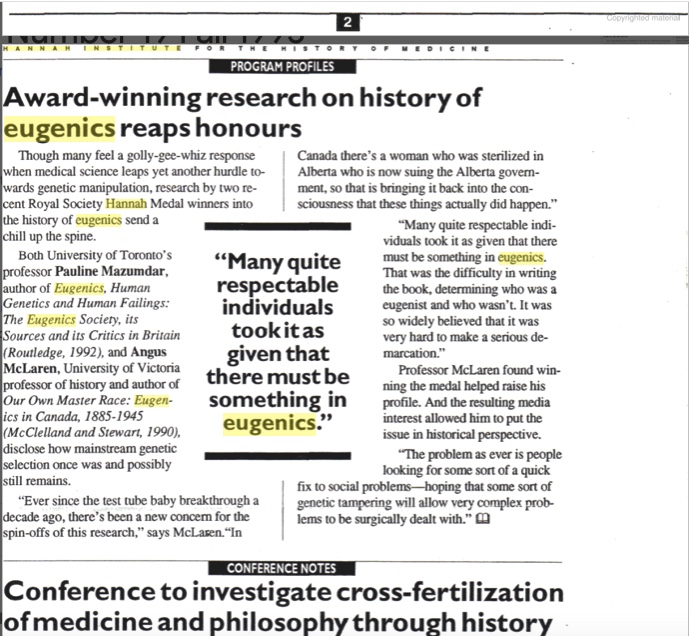
Award-winning research on history of eugenics reaps honours

By David South

Hannah Institute for the History of Medicine Newsletter (Toronto, Canada), Number 19, Fall, 1993

Though many feel a golly-gee-whiz response when medical science leaps another hurdle towards genetic manipulation, research by two recent Royal Society Hannah Medal winners into the history of eugenics sends a chill up the spine.

Both University of Toronto’s professor Pauline Mazumdar, author of Eugenics, Human Genetics and Human Failings: The Eugenics Society, its Sources and its Critics in Britain (Routledge, 1992), and Angus McLaren, University of Victoria professor of history and author of Our Own Master Race: Eugenics in Canada, 1885-1945 (McClelland and Stewart, 1990), disclose how mainstream genetic selection once was – and possibly still remains.

“Ever since the test tube baby breakthrough a decade ago, there’s been a new concern for the spin-offs of this research,” says McLaren. “In Canada there’s a woman who was sterilized in Alberta who is now suing the Alberta government, so that is bringing it back into the consciousness that these things actually did happen.”

“Many quite respectable individuals took it as given that there must be something in eugenics. That was the difficulty in writing the book, determining who was a eugenist and who wasn’t. It was so widely believed that it was very hard to make a serious demarcation.”

Professor McLaren found winning the medal helped raise his profile. And the resulting media interest allowed him to put the issue in historical perspective.

“The problem as ever is people looking for some sort of a quick fix to social problems – hoping that some sort of genetic tampering will allow very complex problems to be surgically dealt with.”

https://davidsouthconsulting.org/2022/06/24/can-we-talk-hannah-promotes-communication-between-medical-schools/

https://davidsouthconsulting.org/2021/06/02/case-study-5-gosh-ich-child-health-portal-2001-2003/

https://davidsouthconsulting.org/2021/03/08/the-dawn-of-the-genetics-revolution-2001-2003/

Hannah Institute For The History Of Medicine | 1992 – 1994

https://davidsouthconsulting.org/2017/10/18/hannah-institute-for-the-history-of-medicine-1992-1994/

https://davidsouthconsulting.org/2022/09/19/medical-museum-makes-plans-for-future/

https://davidsouthconsulting.org/2022/06/24/professor-puts-chronic-fatigue-into-historical-perspective/

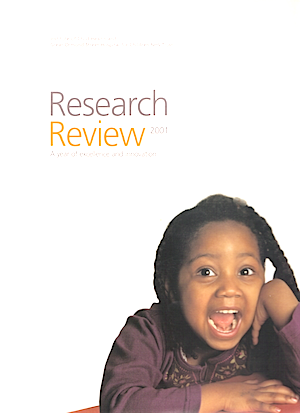
https://davidsouthconsulting.org/2021/10/20/research-reviews-2001-2002/

https://davidsouthconsulting.org/2020/04/20/take-two-big-doses-of-humanity-and-call-me-in-the-morning/

https://davidsouthconsulting.org/2020/04/17/taking-medicine-to-the-people-four-innovators-in-community-health/

Creative Commons License

This work is licensed under a
Creative Commons Attribution-Noncommercial-No Derivative Works 3.0 License.

ORCID iD: https://orcid.org/0000-0001-5311-1052.

© David South Consulting 2023

Categories
Archive

The Dawn Of The Genetics Revolution | 2001 – 2003

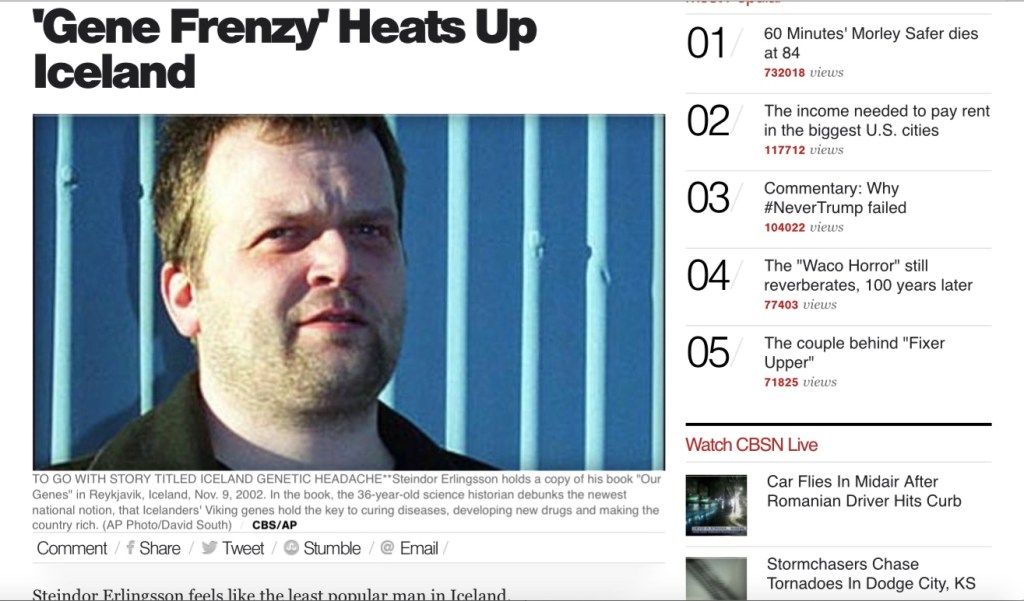
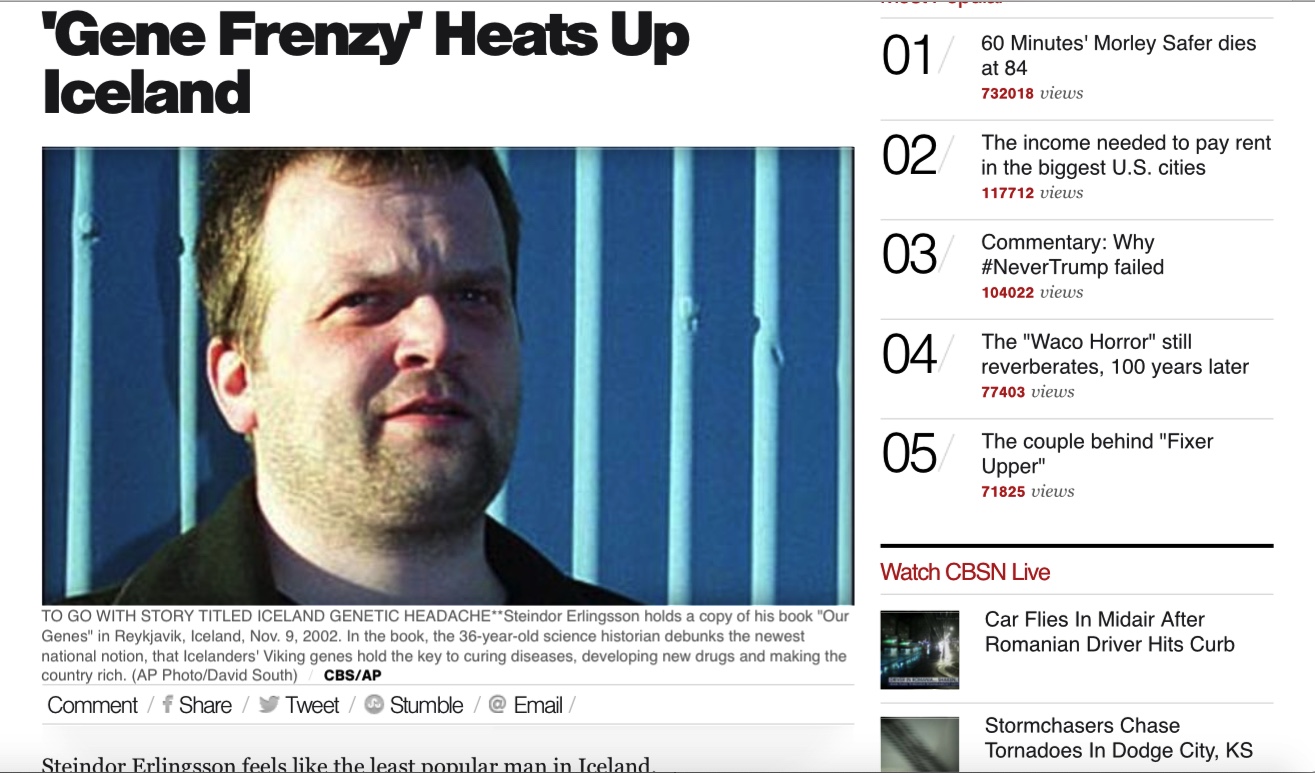
“Steindor Erlingsson holds a copy of his book “Our Genes” in Reykjavik, Iceland, Nov. 9, 2002. In the book, the 36-year-old science historian debunks the newest national notion, that Icelanders’ Viking genes hold the key to curing diseases, developing new drugs and making the country rich. (AP Photo/David South/ CBS/AP.”

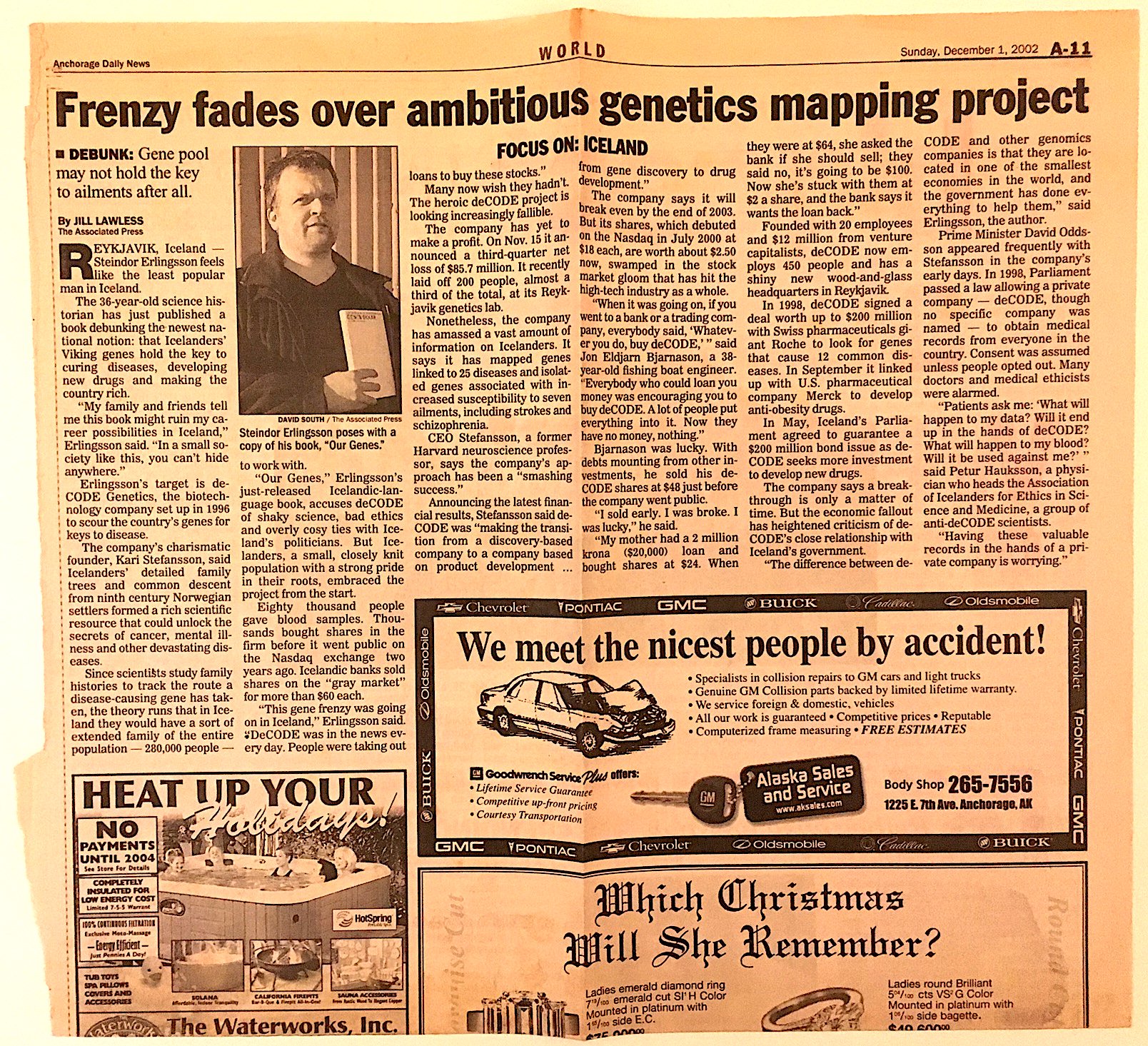
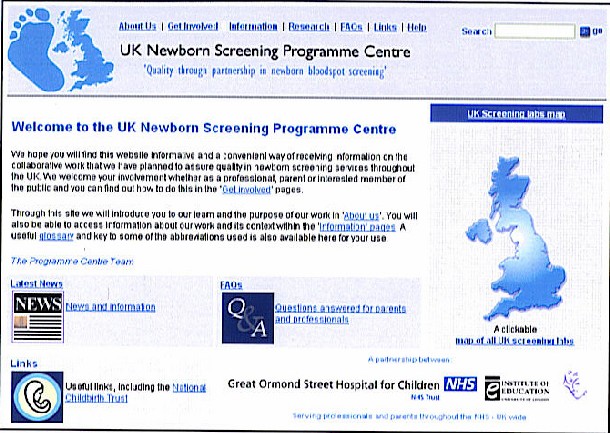
The Human Genome Project (HGP) was officially declared complete in 2003. A rough draft of the human genome sequencing carried out by the HGP was formally announced in 2000 and the completed sequence was announced in 2003. This breakthrough spawned many initiatives, including Iceland’s deCode (below), and was reflected in the work I was called upon to undertake for the GOSH Child Health Portal at the time, such as designing websites for the London IDEAS Genetics Knowledge Park and the UK Newborn Screening Programme Centre (at bottom). I photographed the author of Our Genes, Steindor Erlingsson, in Reykjavik, Iceland for The Associated Press in 2002.

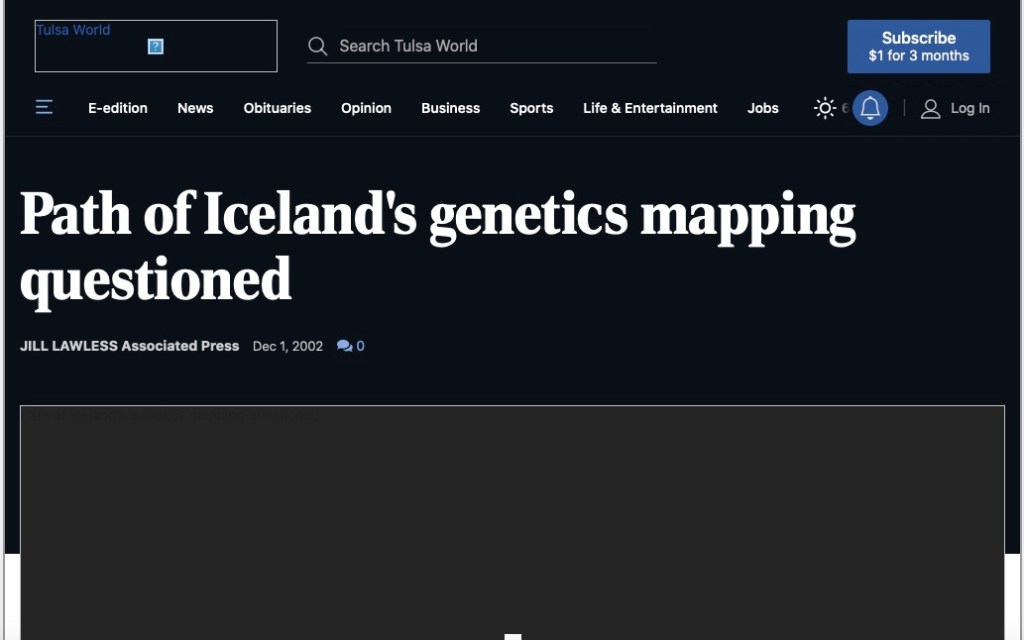
“Frenzy fades over ambitious genetics mapping project” by Jill Lawless, Associated Press, December 1, 2002.

From CBS News: ‘Gene Frenzy’ Heats Up Iceland by Jill Lawless, Associated Press, December 2, 2002.

From Tulsa World: Path of Iceland’s genetics mapping questioned by Jill Lawless, December 1, 2002.

UK Newborn Screening Programme Centre website screen grab.

Read a story I did for the UNDP e-newsletter Development Challenges, South-South Solutions here: China Pushing Frontiers of Medical Researc.

https://davidsouthconsulting.org/2020/04/25/china-pushing-frontiers-of-medical-research

My background:

CASE STUDY 5: GOSH/ICH Child Health Portal | 2001 – 2003

https://davidsouthconsulting.org/2021/06/02/case-study-5-gosh-ich-child-health-portal-2001-2003

Hannah Institute For The History Of Medicine | 1992 – 1994

Creative Commons License

This work is licensed under a
Creative Commons Attribution-Noncommercial-No Derivative Works 3.0 License.

ORCID iD: https://orcid.org/0000-0001-5311-1052.

© David South Consulting 2024

Categories
Archive Blogroll Hannah Institute for the History of Medicine

Hannah Institute For The History Of Medicine | 1992 – 1994

DS Consulting logo copy

Publisher: Hannah Institute for the History of Medicine

Location: Toronto, Canada

Editor and Writer: David South

I worked as Editor and Writer for the newsletter of the Hannah Institute for the History of Medicine (under the direction of the Editor-in-Chief and Hannah Executive Director Dr. J.T. H. Connor) in the early 1990s. Located close to the University of Toronto and within a neighbourhood claiming a long association with medical and scientific discovery (Sir Frederick Banting, co-developer of insulin for the treatment of diabetes, lived at 46 Bedford Road,), the goal was to better connect Canada’s medical history community of scholars and raise the profile of the funding resources available to further the study of medical history in Canada.

The Toronto Legacy Project and Heritage Toronto plaque marking the location of Sir Frederick Banting’s former home.

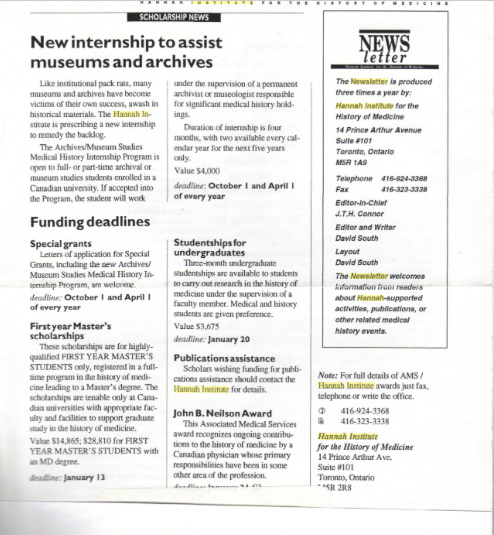
I also revamped the application process for awards, scholarships and grants to make them user-friendly and compatible with word processing software packages of the time.

The Hannah Institute was the adminstrator for the grants and awards funded by AMS (Associated Medical Services). It has had a profound impact on the medical history field in Canada, as the AMS website states:   

“As a result of the growth of the discipline and the burgeoning of scholarship, as well as financial support from other funding bodies, in 2006, the AMS Board of Directors decided not to provide new competitive grants and further, decided to bring AMS- administered competitive grants to closure by 2011.

In the 1970’s when the Hannah Chairs and the Hannah Institute were established, the discipline of the history of medicine was an “orphan’ within the Canadian scholarly community. Three decades later with the support of AMS, history of medicine and healthcare continued to thrive in universities and colleges across Canada.”

It funded groundbreaking medical history research and scholarship, including books such as Eugenics, Human Genetics and Human Failings: The Eugenics Society, its sources and its critics in Britain By Pauline Mazumdar, Copyright Year 1992.

The publishing impact of the Hannah Institute’s support according to WorldCat.

At the time I also worked as an investigative journalist and medical reporter. Some health and medical stories I wrote at the time are below:

Taking Medicine to the People: Four Innovators in Community Health

Take Two Big Doses of Humanity and Call Me in the Morning

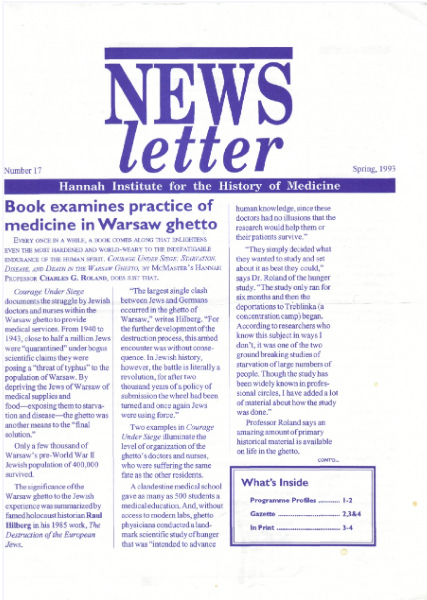
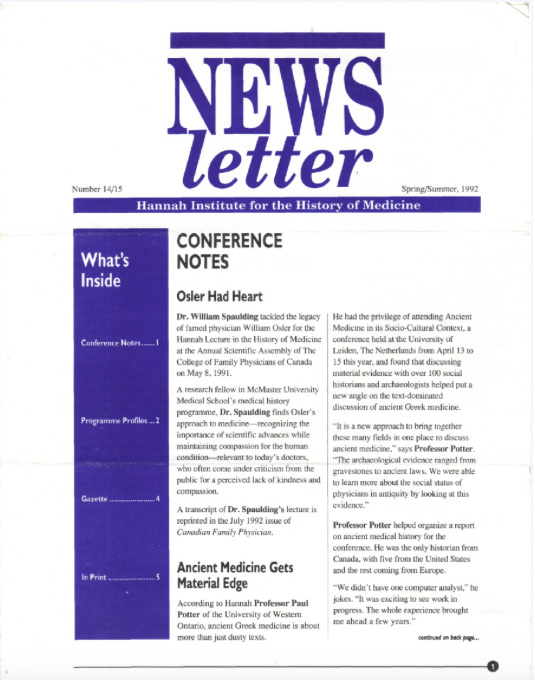
The archive of newsletters is held at the Wellcome Collection Library in London, UK and at the University of Toronto.
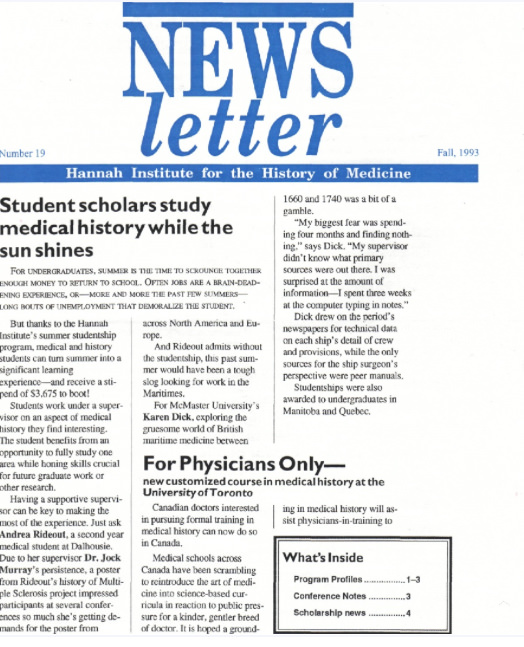
Hannah 14-15_mini
Hannah 17_mini
Hannah 18_mini
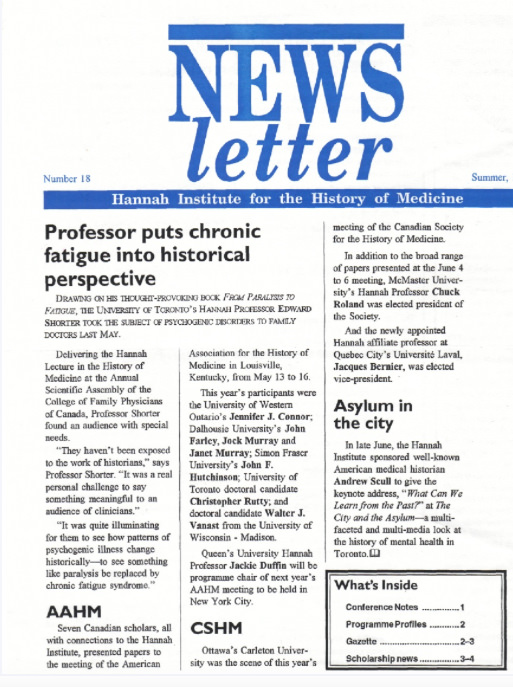
“Professor puts chronic fatigue into historical perspective” announced the launch of a new book by the University of Toronto’s Hannah Professor Edward Shorter.
Hannah 19_mini
Hannah 20_mini
Hannah newsletter masthead_mini
Abstracts in Anthropology, Volume 43, Issues 3-4: “… in recent years it has become a pursuit for a growing number of researchers. … Behind much of this growth has been the Hannah Institute for the History of Medicine which has encouraged writing …”.

More on the Hannah Institute’s history here:

John B. Neilson and G. R. Paterson, Associated Medical Services, Incorporated: a history, Toronto, Associated Medical Services and the Hannah Institute for the History of Medicine, 1987, 8vo, pp. 445, illus., $15.00.

The Hannah Institute: promoting Canadian history of medicine (Can Med Assoc J. 1983 Jun 1; 128(11): 1325–1328.).

The Hannah Institute For The History Of Medicine, Vol. 1, No. 1

By BARR, Murray L.; HART, Gerald D.; SALTER, Robert B

https://davidsouthconsulting.org/2022/06/24/can-we-talk-hannah-promotes-communication-between-medical-schools/

https://davidsouthconsulting.org/2021/06/02/case-study-5-gosh-ich-child-health-portal-2001-2003/

https://davidsouthconsulting.org/2021/03/08/the-dawn-of-the-genetics-revolution-2001-2003/

https://davidsouthconsulting.org/2022/09/19/medical-museum-makes-plans-for-future/

https://davidsouthconsulting.org/2022/06/24/professor-puts-chronic-fatigue-into-historical-perspective/

https://davidsouthconsulting.org/2021/10/20/research-reviews-2001-2002/

https://davidsouthconsulting.org/2020/04/20/take-two-big-doses-of-humanity-and-call-me-in-the-morning/

https://davidsouthconsulting.org/2020/04/17/taking-medicine-to-the-people-four-innovators-in-community-health/

DSC web address in green_mini (1)

ORCID iD: https://orcid.org/0000-0001-5311-1052.

© David South Consulting 2023