Categories
Archive Development Challenges, South-South Solutions Newsletters

Mountain People: Innovative Ways to Help the World’s Most Vulnerable

By David SouthDevelopment Challenges, South-South Solutions

SOUTH-SOUTH CASE STUDY

Physically isolated and socially and politically marginalized, mountain dwellers are among the most vulnerable in the world, according to the Food and Agriculture Organization. A disproportionate number of the world’s 840 million chronically undernourished people live in highland areas — about 270 million mountain people lack food security, with 135 million suffering chronic hunger. Large numbers of additional people in lowland areas also depend on mountains.

In October in Rome, more than 60 representatives from mountain countries around the world called for a coherent approach to sustainable agriculture and rural development in the world’s highland areas to address this crisis. First identified as a problem back at the 1992 Earth Summit in Rio, the degradation of mountain eco-systems and the poverty of those living there, has only worsened with increasing conflict and war. Mountain forests are rapidly vanishing across the globe.

Mountains occupy 24 per cent of the earth’s landscape, and are home to 12 per cent of the world’s people; a further 14 per cent live beside mountains. Most are in the Andes, the Hengduan-Himalaya-Hindu Kush system, and a number of African mountains. Many mountain people are from ethnic minorities, and are often frozen out of political or commercial power. Poverty is common: more than 60 per cent of the rural Andean population lives in extreme poverty, and most of the 98 million Chinese considered to be among the world’s “absolute poor”, are ethnic minorities who live in mountains.

Mountains make up a quarter of the world’s landscapes, and mountain watersheds are critical to water supply – up to 80 per cent of the planet’s fresh surface water comes from mountains. Over half of the world’s population depend on mountains for water, food, hydro-electricity, timber and mineral resources (UN University Mountain Programme).

By their way of life, mountain peoples have expertise in small-hold farming, medicinal uses for native plants, and sustainable harvesting of food, fodder and fuel from forests.

In China, the MinYiYuan company has developed a model to help the millions of impoverished Chinese in the countryside who are being left out of the country’s current economic boom. While many are migrating to the cities to work as labourers, mostly women and children are left behind in villages, with few options to support themselves.

Cai Tingfen saw an opportunity to help the ethnic minority population of Liupanshui City in Guizhou Province. Founded in 2005, MinYiYuan bridges the handcraft culture of the region with the bigger national economy. Its model is unique: rather than buying ready-made handicrafts from craftspeople, MinYiYuan sets the design standards for the quality of the raw materials and sources them itself. This avoids problems with inconsistencies and guarantees customers get a reliably high-quality product. The craftspeople use these raw materials to make handcrafts in their homes, and the finished goods are bought back by the company.

The company buys cotton, hemp and Chinese herbs from local farmers, luring them away from livelihoods that cause deforestation. In 2006, the MinYiYuan Folk Art Centre sold 60,000 (batik) wax prints, 8,000 embroideries, and 20,000 ethnic handicrafts. It made 1.13 million yuan (US $149.319). The company is ambitious, and is already looking to building a research and development base to integrate design, manufacturing, packaging and sales.

Another model that is working is in the Philippines. After the Mount Pinatubo volcano eruptions in the early 1990s, the Aetas people of Luzon found their community was buried under ash and stone. Unable to work the land anymore and live off of the fish and wildlife, the Aetas were close to starvation. Many migrated to the cities to look for work: And without many relevant urban skills, most ended up living in squalor.

One by-product of the volcanic explosion was vast quantities of pumice stone, used in the garment industry to produce ‘stone-washed’ denim. Entrepreneurs were soon turning up to gather the stones.

The Asian Institute for Technology helped the Aeta people organize themselves in marketing social enterprises to gather, market and sell the stones to the many garment makers in the Philippines. By forming cooperatives, the Aeta are able to change the power dynamics with the garment companies: where they had to sell very cheaply to middlemen, the cooperatives enable them to charge more and make a liveable income, allowing them to stay in the community and avoid environmentally more harmful ways to make a living.

In Peru, coffee growers in the mountains have banded together as a social enterprise and use market solutions to increase living standards. The Cepicafe brand in the Piura Mountains, promotes its Fair Trade practices to secure higher prices for the growers. It does this by countering the increasing competition in the coffee market and lower world prices for the beans, with better quality coffee grains and bypassing middlemen to access markets directly.

Cepicafe raises the skills of the growers by providing education to increase productivity and quality, while reducing the farms ecological impact. The premium that fair trade is able to get is then used to improve the farmers’ lives with better housing, new clothes, shoes, better diets, and access to medicine.

They have 51 grassroots member organizations, totaling to 4,800 small-scale coffee producers. Over 18 per cent are women. By introducing a business culture and using radio programmes to further spread knowledge, productivity and quality have increased.

Cepicafe’s access to markets in the US and Europe means it can pay between 60 and 80 per cent more than local buyers.

Published: November 2007

Resources

  • Mountain Forum: created in 1995, it is a great resource for sustainable mountain development and conservation.
  • The Mountain Institute: A non-profit organization dedicated to conservation, community development and cultural preservation in the Andean, Appalachian and Himalayan mountain ranges.
  • Adelboden Group: Established in 2002, it exists as a forum to discuss mountain policies, exchange experience and coordinate planning.

Development Challenges, South-South Solutions was launched as an e-newsletter in 2006 by UNDP’s South-South Cooperation Unit (now the United Nations Office for South-South Cooperation) based in New York, USA. It led on profiling the rise of the global South as an economic powerhouse and was one of the first regular publications to champion the global South’s innovators, entrepreneurs, and pioneers. It tracked the key trends that are now so profoundly reshaping how development is seen and done. This includes the rapid take-up of mobile phones and information technology in the global South (as profiled in the first issue of magazine Southern Innovator), the move to becoming a majority urban world, a growing global innovator culture, and the plethora of solutions being developed in the global South to tackle its problems and improve living conditions and boost human development. The success of the e-newsletter led to the launch of the magazine Southern Innovator.

Creative Commons License

This work is licensed under a
Creative Commons Attribution-Noncommercial-No Derivative Works 3.0 License.

ORCID iD: https://orcid.org/0000-0001-5311-1052.

© David South Consulting 2022

Categories
Archive Development Challenges, South-South Solutions Newsletters

Ecotourism to Heal the Scars of the Past

By David SouthDevelopment Challenges, South-South Solutions

SOUTH-SOUTH CASE STUDY

The legacy of underdevelopment during the communist era in parts of Eastern Europe is now being seen as an advantage in the global tourism trade. Well off the beaten path for tourists, areas as diverse as Chechnya and Romania are working to turn their rustic rural hinterlands into a strategic advantage in grabbing the market for ecotourists. Ecotourism – tourism that takes people to fragile and beautiful areas – is one of the tourism industry’s fastest growing areas.At stake is the lucrative and ever-growing world tourism market. Global tourist arrivals passed 800 million in 2006, with tourism in the world up by 5.5 per cent (World Tourism Organization), earning US $680 billion globally. In 1993, just seven per cent of travel was nature tourism; that share has now passed 20 per cent.

Romania, now a member of the European Union, boasts rural countryside like Europe of old: all hillsides are common land and there are no walls or fences to impede the view. Life is heavily dominated by agriculture and the rhythms of farm life.

Southern Transylvania is a high plateau of wooded hills and valleys and shielded by the Carpathian Mountains.

“The Carpathians of central and eastern Europe,” said Achim Steiner, head of the UN Environment Programme, “are among the world’s richest regions in terms of biodiversity and pristine landscapes. I have no doubt that the Carpathians, like the Alps, the Himalayas and the Rocky Mountains, will become world famous for walking, hiking, climbing, wildlife watching, photography and similar leisure pursuits.”

In order to preserve this way of life and generate income, various schemes are encouraging low-key tourism. This takes the form of renovating decaying farm buildings for guesthouses. The guesthouses are kept clean and simple and the focus is on typical local food like hearty stews and soups and pork sausages.

Much of this has been paid for by the Mihai Emenescu Trust, a charity seeking to preserve the traditions of the Saxon villages.

Patrick Holden of the Soil Association, a patron of the Mihai Eminescu Trust, thinks the organic agricultural methods of the local farmers could be a model for the rest of Europe.

Romania is also part of the Organization for Black Sea Economic Cooperation (BSEC), which is taking the lead in promoting ecotourism as an economic development option.

Ex-communist nation Bulgaria has also turned to ecotourism, launching its “Ecotourism: Naturally Bulgaria” campaign in September.

Even the once-war-torn Russian republic of Chechnya is trying to radically re-shape people’s perceptions. It is hard to believe, but the former site of a bitter civil war that left the capital Grozny in ruins now wants to be Russia’s Switzerland.

Shatoy region in southern Chechnya, during Soviet times, saw 20,000 visitors every month to ski, ride horses, and hike in the Caucasus Mountains. The new government plans to spend UK £40 million on new hotels, reconstructing old holiday camps, building spas and health centres. The region’s head of government, Mr Khasukha Demilkhanov, is confident that natural beauty can compete with the West: in the Argun Gorge, he pointed out to the Guardian newspaper, the scene is reminiscent of a 19th century woodcutting. Stone towers litter the hills, alpine meadows are full of wild flowers, the mountains are snow-capped and new roads have been built.

The Chechens hope to start with Russian holidaymakers and extreme tourists from the West, before moving more into the mainstream market.

Published: October 2007

Resources

  • Ecotourism.org: The International Ecotourism Society.
  • Ecotourism Kazakhstan: Kazakhstan has put together a dedicated website on ecotourism.
  • Planeta: one of the first ecotourism resources to go online (since 1994) and still offers plenty of information for those wanting to start a business.

https://davidsouthconsulting.org/2022/10/20/african-tourism-leads-the-world-and-brings-new-opportunities/

https://davidsouthconsulting.org/2022/10/20/africas-tourism-sector-can-learn-from-asian-experience/

https://davidsouthconsulting.org/2022/02/07/boosting-tourism-in-india-with-surfing-culture/

https://davidsouthconsulting.org/2022/09/27/caribbean-island-st-kitts-goes-green-for-tourism/

https://davidsouthconsulting.org/2023/02/03/environmental-public-awareness-handbook-case-studies-and-lessons-learned-in-mongolia/

https://davidsouthconsulting.org/2022/11/21/from-warriors-to-tour-guides/

https://davidsouthconsulting.org/2022/11/23/kenyan-safari-begins-minutes-from-airport/

https://davidsouthconsulting.org/2021/08/07/mongolian-green-book/

https://davidsouthconsulting.org/2022/10/10/a-solution-to-stop-garbage-destroying-tourism/

https://davidsouthconsulting.org/2021/03/05/southern-innovator-issue-2/

https://davidsouthconsulting.org/2021/03/05/southern-innovator-issue-5/

https://davidsouthconsulting.org/2023/01/17/war-peace-and-development-may-2018/

Development Challenges, South-South Solutions was launched as an e-newsletter in 2006 by UNDP’s South-South Cooperation Unit (now the United Nations Office for South-South Cooperation) based in New York, USA. It led on profiling the rise of the global South as an economic powerhouse and was one of the first regular publications to champion the global South’s innovators, entrepreneurs, and pioneers. It tracked the key trends that are now so profoundly reshaping how development is seen and done. This includes the rapid take-up of mobile phones and information technology in the global South (as profiled in the first issue of magazine Southern Innovator), the move to becoming a majority urban world, a growing global innovator culture, and the plethora of solutions being developed in the global South to tackle its problems and improve living conditions and boost human development. The success of the e-newsletter led to the launch of the magazine Southern Innovator.

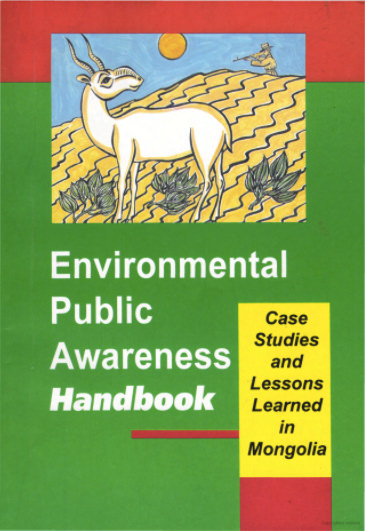
Environmental Public Awareness Handbook: Case Studies and Lessons Learned in Mongolia by Robert Ferguson.
Creative Commons License

This work is licensed under a
Creative Commons Attribution-Noncommercial-No Derivative Works 3.0 License.

ORCID iD: https://orcid.org/0000-0001-5311-1052.

© David South Consulting 2023

Categories
Archive Development Challenges, South-South Solutions Newsletters Southern Innovator magazine

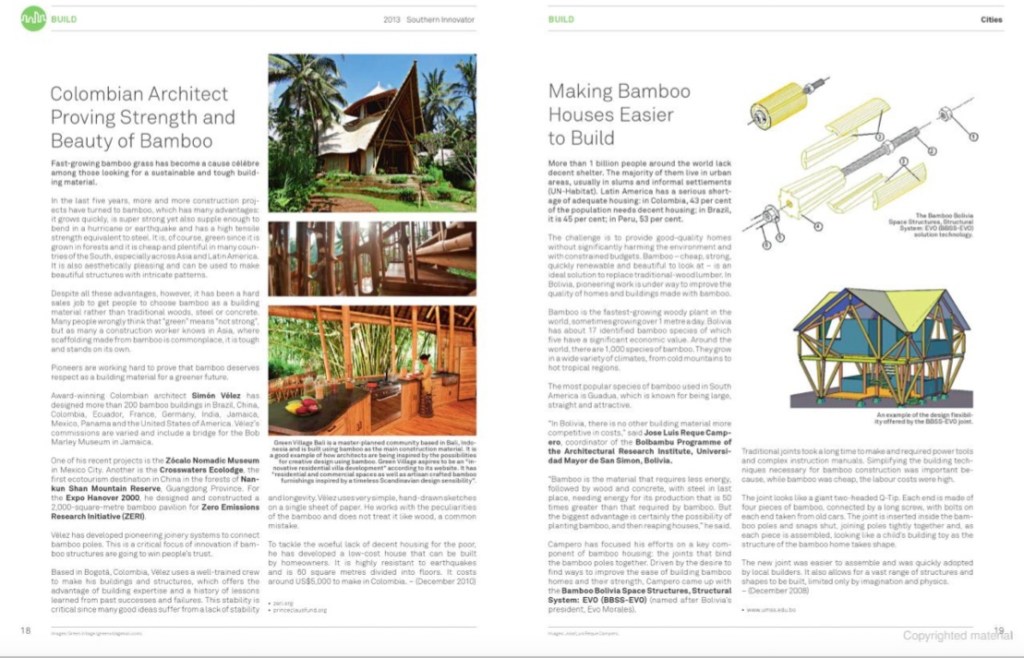
Making Bamboo Houses Easier to Build

By David SouthDevelopment Challenges, South-South Solutions

SOUTH-SOUTH CASE STUDY

More than 1 billion people around the world lack decent shelter. Of these, the majority live in urban areas, usually in slums and informal settlements (UN-HABITAT). Latin America has a serious shortage of adequate housing: in Colombia, 43 percent of the population needs decent housing; in Brazil, 45 percent; Peru, 53 percent.

The challenge is to provide good quality homes without significantly harming the environment – and with constrained budgets. Bamboo – cheap, strong, quickly renewable and beautiful to look at (http://en.wikipedia.org/wiki/Bamboo) – is an ideal solution to replace traditional wood lumber. In Bolivia, pioneering work is underway to improve the quality of homes and buildings made with bamboo.

Bamboo is the fastest growing woody plant in the world, sometimes growing over 1 metre a day. Bolivia (http://en.wikipedia.org/wiki/Bolivia) has about 17 identified bamboo species, of which five have a significant economic value. Around the world, there are 1,000 species of bamboo. They grow in a wide variety of climates, from cold mountains to hot tropical regions.

Once called the “poor man’s timber” – a temporary building material to replace once there is more money – bamboo is now getting the respect it deserves. Bamboo for housing has a long history in Latin America, stretching back 4,500 years to ancient civilizations. In Asia, it has long been a traditional construction material. But most of the existing bamboo dwellings in Latin America are 50 to 100 years old.

The most popular species of bamboo used in South America is Guadua, which is known for being large, straight and attractive.

“In Bolivia, there is no other building material more competitive in costs,” said Jose Luis Reque Campero, coordinator of the Bolbambu Programme of the Architectural Research Institute, Universidad Mayor de San Simon, Bolivia (http://www.umss.edu.bo/).

“Bamboo is the material that requires less energy, followed by wood and concrete, with steel in last place, needing energy necessary for its production 50 times greater than that required by bamboo.”

Campero also says bamboo is much less expensive than traditional building materials.

“But the biggest advantage is certainly the possibility of planting bamboo, and then reaping houses,” he said.

Campero has focused his efforts on a key component of bamboo housing: the joints that bind the bamboo poles together. Driven by the desire to find ways to improve the ease of building bamboo homes and their strength, Campero came up with the Bamboo Bolivia Space Structures, Structural System: EVO (BBSS-EVO) (named after Bolivia’s president, Evo Morales – http://en.wikipedia.org/wiki/Evo_Morales).

Traditional joints took a long time to make and required power tools and complex instruction manuals. Simplifying the building techniques necessary for bamboo construction was important because, while bamboo was cheap, the labour costs were high.

The joint looks like a giant two-headed Q-Tip. Each end is made of four pieces of bamboo, connected by a long screw with bolts on each end taken from old cars. The joint is inserted inside the bamboo poles and snaps shut, joining poles tightly together and, as each piece is assembled, looking like a child’s building toy as the structure of the bamboo home takes shape.

The new joint was easier to assemble and was quickly adopted by local builders. It also allows for a vast range of structures and shapes to be built, limited only by imagination and physics.

Devising joints made from bamboo has the advantage of avoiding the weight and cost of bringing in concrete, especially to remote areas.

“The manufacturing process is fully in the workshop and indoors,” said Campero, “which in addition to allowing a degree of quality control in production, improves working conditions for staff and protects the material.”

The whole building process adheres to “the principles of the famous phrase: ‘do-it-yourself’.”

The Evo joint allows for flexibility and easy assembly and disassembly, enabling the builder to move around parts of the structure and not be wedded to the original structural plan. This has the advantage of customizing the building to its physical location.

Working in the tropical forests of Cochabamba (http://en.wikipedia.org/wiki/Cochabamba), Campero has been testing his designs with the local people, who were looking to improve the tourist infrastructure in the resort town of Cristal Mayu.

Costa Rica in Central America – ironically a country without indigenous bamboo plants – has used its National Bamboo Project of Costa Rica (http://www.unesco.org/most/centram1.htm) to prove it is possible to both cultivate bamboo and use it to provide housing for the poor, confirming the wisdom of millions of people: bamboo is economical, convenient, safe and looks great.

Campero has received a great deal of interest in his innovations and is looking for funding partners in 2009 to take his work further.

He has this advice for other builders and designers: “Stick to developing local technologies, use what you have and innovate, use native materials and the local environment for the development of elements, components and construction systems. Don’t rely on advanced technology tools for manufacture, and stay in harmony with the human need for creativity.”

Published: December 2008

Resources

  • UNEP, the UN’s Environment Programme, has produced a report on bamboo biodiversity and how it can be preserved. Website: http://www.unep-wcmc.org
  • The Asian Development Bank is using its Markets for Poor programme to link bamboo products to marketplaces, helping poor communities. Website:http://www.markets4poor.org/
  • The United Nations Human Settlements Programme, UN-HABITAT, is the United Nations agency for human settlements. It is mandated by the UN General Assembly to promote socially and environmentally sustainable towns and cities with the goal of providing adequate shelter for all. Website: www.unhabitat.org

https://davidsouthconsulting.org/2022/10/26/bamboo-becomes-transport-option-for-the-south/

https://davidsouthconsulting.org/2022/10/26/colombian-architect-proving-strength-and-beauty-of-bamboo/

https://davidsouthconsulting.org/2021/11/11/decent-and-affordable-housing-for-the-poor/

https://davidsouthconsulting.org/housing/

https://davidsouthconsulting.org/2022/11/16/housing-innovation-in-souths-urban-areas/

https://davidsouthconsulting.org/2021/11/11/housing-solution-for-worlds-growing-urban-population/

https://davidsouthconsulting.org/2021/02/12/rebuilding-after-chinese-earthquake-beautiful-bamboo-homes/

https://davidsouthconsulting.org/2022/11/17/tiny-homes-to-meet-global-housing-crisis/

Development Challenges, South-South Solutions was launched as an e-newsletter in 2006 by UNDP’s South-South Cooperation Unit (now the United Nations Office for South-South Cooperation) based in New York, USA. It led on profiling the rise of the global South as an economic powerhouse and was one of the first regular publications to champion the global South’s innovators, entrepreneurs, and pioneers. It tracked the key trends that are now so profoundly reshaping how development is seen and done. This includes the rapid take-up of mobile phones and information technology in the global South (as profiled in the first issue of magazine Southern Innovator), the move to becoming a majority urban world, a growing global innovator culture, and the plethora of solutions being developed in the global South to tackle its problems and improve living conditions and boost human development. The success of the e-newsletter led to the launch of the magazine Southern Innovator. 

Creative Commons License

This work is licensed under a
Creative Commons Attribution-Noncommercial-No Derivative Works 3.0 License.

ORCID iD: https://orcid.org/0000-0001-5311-1052.

© David South Consulting 2023

Categories
Archive Southern Innovator magazine

Press Release 2 | Southern Innovator

Press Release for General Distribution

Fourth Issue of UNDP Magazine Southern Innovator Launches at Expo

United Nations, Nairobi, Kenya, 31 October 2013

  • Fourth issue of Southern Innovator launched at Global South-South Development Expo 2013 in Nairobi, Kenya
  • 60-page color magazine gives snapshot of fast-changing world

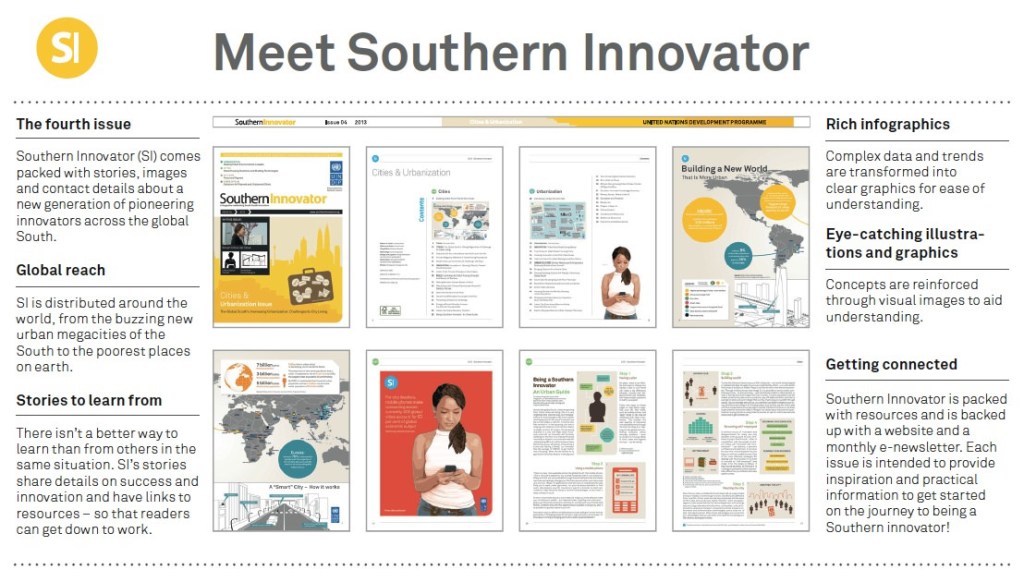
The fourth issue of Southern Innovator magazine has launched at the Global South-South Development Expo 2013 in Nairobi, Kenya. Southern Innovator Issue 4 visits the new cities being built to tackle the challenges of a rapidly urbanizing 21st-century world. The magazine also highlights some of the solutions being devised to the challenges people face as the world becomes a majority urban place.

Some innovators are building new cities from scratch, applying the latest thinking and hard-wiring in cutting-edge information technologies and innovative environmental measures to create ‘smart’ cities and eco-cities. Architects are designing and refining homes that are beautiful and functional, easy to build, affordable and conserve energy. Social entrepreneurs are innovating ways to create liveable and socially inclusive urban areas, often in places where planning has been scant and where incomes are very low. All those featured in the magazine were chosen for their focus on improving human development and their ingenuity and fresh thinking.

Southern Innovator champions a 21st-century global innovator culture. The magazine profiles and celebrates the innovators across the global South finding new ways to tackle poverty, create wealth and improve human development and achieve the Millennium Development Goals (MDGs). In its first issue in September 2011, Southern Innovator featured the people who are re-shaping new information technologies – from mobile phone apps to Internet technologies. Many of the innovators profiled in that first issue came from Kenya.

SI (southerninnovator.org) is based on intensive research and produced by the United Nations Office for South-South Cooperation in UNDP (UNOSSC) (formerly the Special Unit for South-South Cooperation in UNDP). UNOSSC organizes an annual Global South-South Development Expo (southsouthexpo.org), a roaming celebration and gathering of Southern innovators previously held in New York, Washington, D.C., Geneva, Rome and Vienna. This year’s Expo is being held in Nairobi, Kenya (28 October to 1 November 2013) and is hosted by the UN Environment Programme (unep.org).

SI is being distributed through the United Nations’ network and partners and reaches some of the world’s poorest and remotest places, as well as the vibrant but stressed growing global megacities. It is hoped the magazine will inspire budding innovators with its mix of stories, essential information, facts and figures, images and graphics.

We hope you enjoy the magazine and find its content interesting and illuminating: a snapshot of a fast-changing world awash, as we found out, with
innovators, creators and do-ers making their world a better place. It is possible to sponsor issues of the magazine, either through helping to fund its print run, or through sponsored inserts covering that issue’s theme with relevant content for our readers.

For more information on Southern Innovator, contact Cosmas Gitta at
cosmas.gitta@undp.org.

Press Release 1

Press Release 3

Online archives: southerninnovator.orghttp://www.scribd.com/SouthernInnovator. Follow @SouthSouth1

United Nations General Assembly: Sixty-ninth session, Item 24 (b) of the provisional agenda, Operational activities for development: South-South cooperation for development, 17 July 2014.
The research informing Southern Innovator Magazine played a part in the formulation of the UN’s post-2015 development agenda, including the Sustainable Development Goals (SDGs).

https://davidsouthconsulting.org/southern-innovator-scale-up-fundraiser/

ORCID iD: https://orcid.org/0000-0001-5311-1052.

© David South Consulting 2022