Tag: SDG1

  • Ghana’s Funeral Economy Innovates and Exports

    Ghana’s Funeral Economy Innovates and Exports

    By David SouthDevelopment Challenges, South-South Solutions

    SOUTH-SOUTH CASE STUDY

    The West African nation of Ghana’s funeral economy is attracting innovation and grabbing attention outside the country. The nation’s elaborate – but expensive – funeral rituals provide craftsmen with a good income. And new products are being introduced to handle the financial consequences of this unavoidable fact of life.

    As Africa undergoes the biggest shift from rural to urban in its history, the continent is experiencing a technology boom, mainly led by the mobile phone. Mobile phones have become important transactional tools in daily life, enabling people to communicate and to do business, thanks to micropayments and prepay. Interwoven in these twin phenomena of greater urbanization and the mobile phone economy is a rising and growing middle class population with spare cash to spend on more than just the basics of survival. And all of this is throwing up new economies and new products to sell to these middle class customers.

    It is in this context that Ghana’s flamboyant and vibrant funeral ceremonies have become an economy unto themselves.

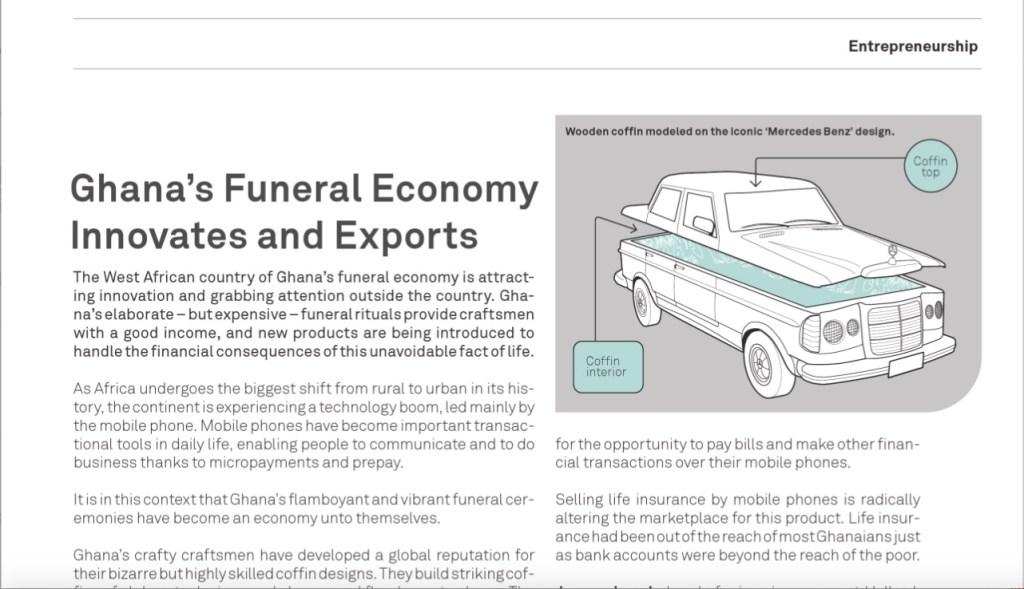
    Ghana’s crafty craftsmen have developed a global reputation for their bizarre but highly skilled coffin designs. They build striking coffins of elaborate designs and shapes and flamboyant colours. The coffins usually take on the shape of an aspect of the deceased’s former profession or vocation. For example, a pilot gets buried in a mock-up of the plane they flew, or a farmer is buried in his main crop, like a giant corn cob.

    It is proof the creative economy works and adds value to existing products and services. What were just simple coffins for a utilitarian task (burying the dead) becomes an elaborate work of art and transforms burial into a grander experience.

    One of the most popular designs is the now-ubiquitous and much-coveted mobile phone: Africa’s great electronic connector. And it is the mobile phone that is allowing people to buy life insurance to be able to pay for the coffins and elaborate funerals.

    Mobile money is a dynamic and fast-growing industry that is firmly established in the global South. Some are forecasting the market in mobile payments will reach US $60 billion by 2015.

    A range of companies are now offering life insurance policies that can be paid for in small “micropayments” by mobile phone. This is an important service for people who may not have a formal bank account and who can be devastated by the costs of a family member’s funeral.

    The two companies pioneering this “micro-insurance” service are Hollard Insurance (http://www.hollard.co.za) and Mobile Financial Services Africa (http://mfsafrica.com). Both are offering funeral insurance by mobile phones. Working with MTN – Africa’s largest mobile phone group (www.mtn.com.gh) – they are launching the mi-Life insurance product, sold for between US 0.80 cents and US $4 for a month’s coverage.

    MTN pioneered its Mobile Money service in 2009. Out of 9 million MTN mobile phone subscribers in Ghana, 1.8 million have signed up for the opportunity to pay bills and make other financial transactions over their mobile phones.

    Selling life insurance by mobile phones is radically altering the marketplace for this product. Life insurance had been out of the scope of most Ghanaians just as bank accounts were beyond the reach of the poor.

    Jeremy Leach, head of micro-insurance at Hollard, told AllWestAfrica (allwestafrica.com), that 55 percent of Ghanaians say they can’t afford life insurance. “In terms of affordability, we’ve tried to address that.”

    MTN Mobile Money Ghana’s general manager, Bruno Akpaka, told the Financial Times mi-Life is 50 to 70 per cent cheaper than comparable policies.

    Subscribers sign up by using their mobile PIN (personal identification number) at a local kiosk, or send a short message service (SMS) on their handset. Once signed up, a monthly premium is taken from their account. When it runs out, they top it up at the kiosk again.

    It currently offers basic funeral cover: a lump sum to the family when the main income earner dies. This money is used towards the costs of expensive funerals. Other products in the pipeline include insurance for school fees.

    For the coffin craftsmen, the fast-growing economy of African online shopping is helping with sales. The elaborate craft coffins can be bought online from various platforms including eShopAfrica.com, which promises to sell “fair trade direct from Africa.” Its dedicated Ghana coffin pages (www.eshopafrica.com/acatalog/Ga_Coffins.html) advertise small coffins that take a month to make, and larger ones can take up to three months to build. Prices advertised on the eShop site range from US $1,500 for a full-sized, six-foot coffin, to US $175 for a “desk top chest.”

    Designs range from a mobile phone to a Ferrari race car to a computer mouse. But it is not just the resting places for the deceased that are on sale. The cabinet- and coffin-making skills are also turned to making a wide range of storage cabinets in bright colours and imaginative shapes, from a football to a red pepper and a beer-bottle shaped drinks cabinet.

    The global attention for the craftsman has been impressive. They are lauded by fine art collectors around the world and have been shown in galleries such as London’s Jack Bell Gallery (www.jackbellgallery.com/paajo.html). The legendary coffin artist Paa Joe is one of the most featured in gallery shows.

    Published: April 2011

    Resources

    1) Shop Africa 53: An online shopping website allowing independent traders to vend their products to the rest of Africa and the world. Website: www.shopafrica53.com

    3) Going into Darkness: Fantastic Coffins from Africa by Thierry Secretan, details the culture and the craftsmen, behind the iconic coffins. Website:www.amazon.com/exec/obidos/ASIN/0500278393/cordelinetwebstu%22

    4) Creative Economy Programme: The creative economy is an emerging concept dealing with the interface between creativity, culture, economics and technology in a contemporary world dominated by images, sounds, texts and symbols. Website:www.unctad.org/Templates/StartPage.asp?intItemID=4577&lang=1

    Bangladesh Coffin-Maker Offers an Ethical Ending

    https://davidsouthconsulting.org/2022/10/20/bangladesh-coffin-maker-offers-an-ethical-ending/

    https://davidsouthconsulting.org/2022/10/20/ghanaian-coffins-prove-design-and-craftsmanship-boost-incomes/

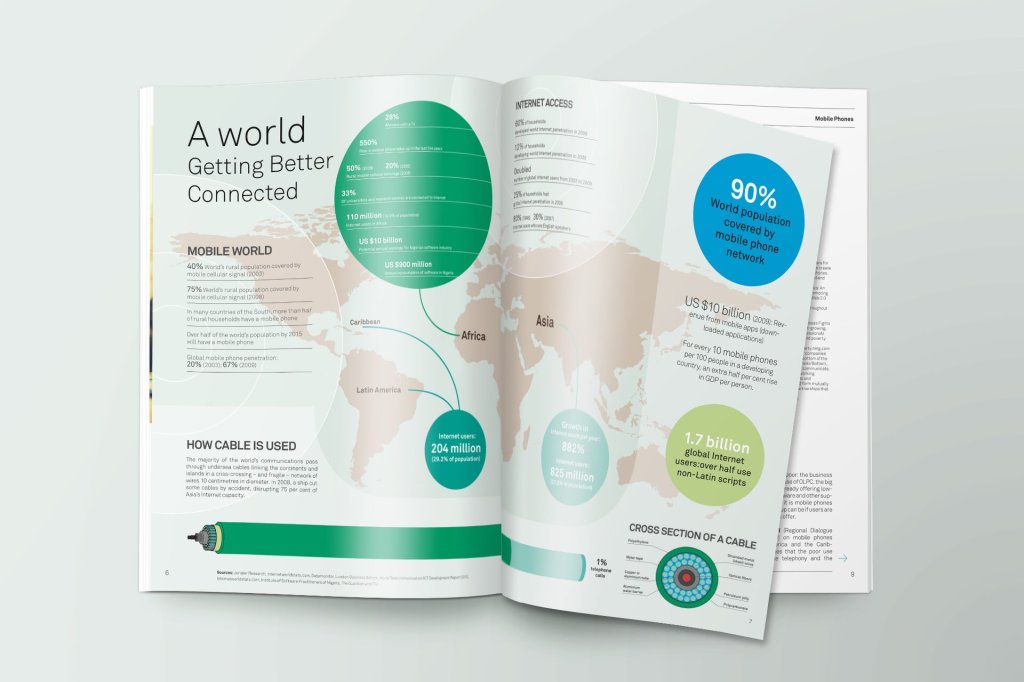
    Development Challenges, South-South Solutions was launched as an e-newsletter in 2006 by UNDP’s South-South Cooperation Unit (now the United Nations Office for South-South Cooperation) based in New York, USA. It led on profiling the rise of the global South as an economic powerhouse and was one of the first regular publications to champion the global South’s innovators, entrepreneurs, and pioneers. It tracked the key trends that are now so profoundly reshaping how development is seen and done. This includes the rapid take-up of mobile phones and information technology in the global South (as profiled in the first issue of magazine Southern Innovator), the move to becoming a majority urban world, a growing global innovator culture, and the plethora of solutions being developed in the global South to tackle its problems and improve living conditions and boost human development. The success of the e-newsletter led to the launch of the magazine Southern Innovator. 
    Creative Commons License

    This work is licensed under a
    Creative Commons Attribution-Noncommercial-No Derivative Works 3.0 License.

    ORCID iD: https://orcid.org/0000-0001-5311-1052.

    © David South Consulting 2023

  • Bangladesh Coffin-Maker Offers an Ethical Ending

    Bangladesh Coffin-Maker Offers an Ethical Ending

    By David SouthDevelopment Challenges, South-South Solutions

    SOUTH-SOUTH CASE STUDY

    Few people want to think about death, and many are ill-prepared when it happens to a loved one or friend. But it will happen to us all – and growing ethical and environmental concerns are reshaping the way many deal with the inevitable event. More and more people are seeking a lower-cost option for being disposed of that also does not harm the environment.

    There are many ideas out there, but one that is getting attention is using sustainably sourced and fairly traded coffins as a way of reducing carbon emissions resulting from a person’s death.

    Bangladeshi pioneers Oasis Coffins (oasiscoffins.com) are crafting ecologically sound, Fair Trade coffins and generating jobs and income for an impoverished region of the country. The coffins are made from locally grown bamboo, seagrass and willow and are a clever piece of design.

    Bamboo is as strong as steel and yet flexible, and the coffins made from it look like typical burial boxes – but can be folded back into their footprint to be stored flat. This is a great space-saving innovation and makes it easier to store the coffins and also to ship them to overseas markets. This clever design is reducing the amount of energy used.

    Oasis has a manufacturing workshop employing 70 people in the Nilphamari district of Bangladesh (http://en.wikipedia.org/wiki/Nilphamari_District), about 400 kilometres north from the capital, Dhaka. The region is poor, but large quantities of bamboo grow in the area.

    It is a region where employment is seasonal and erratic, making family life chaotic as parents constantly search for stable work.
    Oasis Coffins is located in the Uttara Export Processing Zone (http://www.epzbangladesh.org.bd/bepza.php?id=EPZ-U), run under the authority of the Bangladesh Export Processing Zones Authority (BEPZA), a government agency that aims to “promote, attract and facilitate foreign investment in the Export Processing Zones.”  Its sales office is based in Birmingham in the United Kingdom.

    The company began in 2006 with the idea of creating high-quality products using local materials while creating good quality jobs to achieve a double impact: changed lives and a protected environment. The hope is to create a business model that can be replicated elsewhere.

    The company is structured to include both its product development and manufacturing in rural Bangladesh. It took its time conducting market research and product development to make sure it had a product people were willing to buy.

    “We make beautiful, high quality products in an environment that gives people reliable employment and good working conditions,” said managing director David How on the company’s website. “Our products are in demand from people who are becoming increasingly conscious of their impact on the environment and others.

    “It is encouraging to know that in bereavement, we can give life into people and a community in Bangladesh. We want people to know where their products are coming from, and to know that what they buy can benefit people elsewhere.”

    According to its website, Oasis Coffins abides by the standards prescribed by the World Fair Trade Organization (wfto.com) and the European Fair Trade Association (http://www.european-fair-trade-association.org/) and is also a member of ECOTA (ecotaftf.org). The ECOTA Fair Trade Forum started in 1990 and is a networking and coordinating body for small and medium sized Fair Trade Enterprises of Bangladesh.

    Employees are divided equally between women and men, and many have never been to school. They are paid 30 per cent more than the recommended rate for garment workers in Bangladesh.

    Oasis Coffins know by name the farmers who provide the bamboo and all of it is harvested within 20 kilometres of the manufacturing workshop. Oasis Coffins also takes pride in the construction of the workshop, which features plenty of natural light, good ventilation and easy access in and out. A comfortable workshop is important for the health and happiness of manufacturing workers.

    Employees receive a pension scheme, paid holidays, sick leave and a lump-sum payment if they leave. There is also a doctor available during working hours for free medical advice.

    To help upgrade the skills of the workers, there are lunchtime literacy classes, and employees are also taught how to manufacture products to a high global standard.

    The Oasis coffins are benefiting from the growing marketplace for green funerals in Europe and North America.

    In Britain, ecological funerals are on the rise as people seek an affordable and environmentally sound way to be dispatched.
    The UK’s Co-operative Funeral Care, part of the Co-operative Group, is selling the Bangladeshi coffins at more than 900 of its funeral homes in the United Kingdom as part of its ethical strategy.

    Providing funeral services can be an effective income generator. In Ghana, craftsmen have developed a global reputation for their quirky coffin designs celebrating the lives of the deceased. Ghana is also pioneering the selling of funeral insurance through mobile phones. Bereavement services are among the many basic needs of all communities, no matter where they are located. Just as people will always be born and get sick, they will also eventually die. Providing services that offer dignity to the families and the deceased can be a boost to local economies.

    Published: March 2013

    Resources

    1) Ghana coffin pioneer: Paa Joe’s sculpted coffins blur the line between art and craft. Each work is carefully constructed to reflect the ambition or the trade of the person for whom it was made. Website:http://www.jackbellgallery.com/artists/35-Paa-Joe/overview/

    2) African funeral insurance providers: “Stanbic Bank launches FuneralPlan insurance product”. Website:http://www.modernghana.com/news/427917/1/stanbic-bank-launches-funeralplan-insurance-produc.html

    3) Southern Innovator Magazine Issue 2: Youth and Entrepreneurship. Website:http://www.scribd.com/doc/106055335/Southern-Innovator-Magazine-Issue-2-Youth-and-Entrepreneurship

    Ghanaian Coffins Prove Design and Craftsmanship Boost Incomes

    Southern Innovator logo

    London Edit

    31 July 2013

    Development Challenges, South-South Solutions was launched as an e-newsletter in 2006 by UNDP’s South-South Cooperation Unit (now the United Nations Office for South-South Cooperation) based in New York, USA. It led on profiling the rise of the global South as an economic powerhouse and was one of the first regular publications to champion the global South’s innovators, entrepreneurs, and pioneers. It tracked the key trends that are now so profoundly reshaping how development is seen and done. This includes the rapid take-up of mobile phones and information technology in the global South (as profiled in the first issue of magazine Southern Innovator), the move to becoming a majority urban world, a growing global innovator culture, and the plethora of solutions being developed in the global South to tackle its problems and improve living conditions and boost human development. The success of the e-newsletter led to the launch of the magazine Southern Innovator. 

    Creative Commons License

    This work is licensed under a
    Creative Commons Attribution-Noncommercial-No Derivative Works 3.0 License.

    ORCID iD: https://orcid.org/0000-0001-5311-1052.

    © David South Consulting 2023

  • The e-Reader Battle Reaches India

    The e-Reader Battle Reaches India

    By David SouthDevelopment Challenges, South-South Solutions

    SOUTH-SOUTH CASE STUDY

    The rise and rise of e-books and electronic publishing has prompted the development of e-readers: handy, portable devices that try to mimic the reading experience of paper books while offering the storage and navigation capability of computers.

    A good example is the very popular e-reader from Amazon, the Kindle (http://en.wikipedia.org/wiki/Amazon_Kindle). The latest version boasts the ability to store up to 3,500 books.

    The utility of these e-readers for people in the global South is clear: they can enable people to bypass the lack of local library facilities to store vast, personal archives of books. This is a powerful educational tool: imagine a village doctor with easy access to thousands of medical texts and papers, or a child preparing for university exams no longer having to worry they can find study texts. It also is a cost-effective way to publish in many local languages and break the stranglehold English-language publishing has had on delivering e-books.

    Over the past decade, India has developed a reputation for its fast-growing information technology industries, making software and providing IT-related services.

    Now India has produced a rival to the Kindle. The Wink (https://www.thewinkstore.com/ereader/index) is designed to accommodate 15 common Indian languages. (The 2001 census in India found 29 languages with at least a million native speakers). It comes in an eye-catching design and is complemented by a sleek website stuffed with e-books ready for download. The entire package is very well-thought-out and marketed.

    The Wink was developed and built by EC Media International and retails, according to its website, for Rs 8,999 (US $200). It looks similar to the Kindle, but where the Kindle is grey the Wink is white. This Indian rival has some impressive capabilities: it can not only support 15 Indian languages, it can also access an online library of more than 200,000 book titles. They range from arts and entertainment to biography, newspapers and science topics. There is also a large archive of free books for download.

    But it has come in for criticism for its price, which some say is far too high for the Indian market.

    The Tech 2 website also criticized the Wink for its “frustrating performance, which actually detracts from the pleasure of reading.” Overall it found the reader “a decent first attempt, but there are many issues that need to be ironed out.”

    It can be a rocky road to information technology hardware innovation. And maybe this first attempt at a made-in-India e-reader still has a way to go to get it right. There have been a number of high-profile, over-hyped disappointments in the last few years. One was the pledge to make a US $35 tablet computer. The project was launched in 2010 with much fanfare, but by January 2011 the Indian government had dropped manufacturers HCL Technologies for failing to honour its 600 million rupee (US $13 million) contract.

    It joins the disappointing attempt at rivalling the One Laptop Per Child (www.onelaptop.org) computer from MIT (Massachusetts Institute for Technology) with an Indian version for US $10. What was offered instead in 2009 was a device with no screen or keyboard, requiring an additional laptop and paper to access its stored files. It was also made in Taiwan, rather than India.

    What these first steps show is the complexity of hardware development and how challenging it is to get the user experience right for customers while keeping the price affordable.

    But from these tries comes experience, and in time better products will be developed as lessons are learned.

    Published: June 2011

    Resources

    1) How to build your own personal computer: This guide helps to demystify computing hardware and shows how to build a computer at home. Website:http://www.buildeasypc.com/

    2) Hardware design and architecture: An archive of free e-books on all aspects of computer hardware and architecture design. An outstanding resource to get anyone started in computer engineering. Website: http://www.e-booksdirectory.com/listing.php?category=38

    3) Jonathan Ive is the man behind the highly successful and user-friendly modern design that has turned the Apple computer brand into such a global success story. He provides tips on how to design usable computer hardware and shares the secrets of his success. Website:http://www.wired.com/culture/design/news/2003/06/59381

    Development Challenges, South-South Solutions was launched as an e-newsletter in 2006 by UNDP’s South-South Cooperation Unit (now the United Nations Office for South-South Cooperation) based in New York, USA. It led on profiling the rise of the global South as an economic powerhouse and was one of the first regular publications to champion the global South’s innovators, entrepreneurs, and pioneers. It tracked the key trends that are now so profoundly reshaping how development is seen and done. This includes the rapid take-up of mobile phones and information technology in the global South (as profiled in the first issue of magazine Southern Innovator), the move to becoming a majority urban world, a growing global innovator culture, and the plethora of solutions being developed in the global South to tackle its problems and improve living conditions and boost human development. The success of the e-newsletter led to the launch of the magazine Southern Innovator. 

    Creative Commons License

    This work is licensed under a
    Creative Commons Attribution-Noncommercial-No Derivative Works 3.0 License.

    ORCID iD: https://orcid.org/0000-0001-5311-1052.

    © David South Consulting 2023

  • Venture Capital Surge in Africa to Help Businesses

    Venture Capital Surge in Africa to Help Businesses

    By David SouthDevelopment Challenges, South-South Solutions

    SOUTH-SOUTH CASE STUDY

    Africa’s potential economic powerhouse lies in its small and medium enterprises (SMEs). Foreign direct investment (FDI) into Africa ebbs and flows based on the state of the global economy – and most of it is directed towards large enterprises and multinational companies.

    Finding ways to support grassroots SMEs has the potential to truly build in sustainable prosperity for the continent and construct stable middle class jobs.

    But building a continent-wide network of investors, and directing that investment at the grassroots business entrepreneurs who employ the majority of Africans, is not easy.

    Foreign direct investment to Africa rose fivefold from 2000, peaking at US $72 billion in 2008 (African Economic Outlook). A surge in raw material prices fed this boom. FDI is, however, unevenly distributed and much of it goes to extractive industries like mining and oil and gas in a handful of countries. When the global economic crisis hit, FDI inflows to African countries fell by 20 per cent, to US $59 billion in 2009.

    Venture Capital for Africa: Connecting Entrepreneurs and Investors (http://vc4africa.biz), is a free service trying to nurture the SME sector and help entrepreneurs overcome the challenges of funding start-ups in Africa. Members are expected to contribute, collaborate and show their seriousness, bringing resources or their ideas and enthusiasm.

    It has a detailed website with a mix of resources available. People can register and connect with others, check out venture ideas and the most popular ones in the past day to month, read about featured entrepreneurs, register as an investor looking for investees, and meet-up with others in their city. This includes expatriate communities in places like Oslo, Norway.

    VC4Africa believes its mission is to champion entrepreneurship, and particularly SMEs, as the main driver of Africa’s economic growth. These businesses provide the majority of the continent’s employment and income. And as it says on its website, they offer “hope for a better future.” It is estimated SMEs contribute two thirds of national income for many African countries and are a major source of middle class jobs.

    VC4Africa believes “that the most meaningful impact will still come from grass roots level i.e. entrepreneurs bold enough to start potentially great companies. It aims to connect these individuals with the additional network,knowledge and capital they need to realize their potential.”

    VC4Africa started from a group on the social media and connecting platform Linkedin in 2008. It claims to be the largest online community “dedicated to entrepreneurs and investors building companies on the continent.” It is a free service and was founded by “serial entrepreneurs” Bill Zimmerman, formerly of Microsoft in the USA, and Ben White, founding member of AfriLabs (afrilabs.com), a network of technology incubators. Both have extensive experience founding and investing in technology initiatives in Africa.

    VC4Africa is sponsored by a long list of well-known names in supporting African entrepreneurs: Acumen Fund (acumenfund.org), Afribiz (afribiz.info), AfricaNews.com, How We Made It In Africa.com, iHub Nairobi (ihub.co.ke), and others.

    Consulting firm McKinsey (mckinsey.com) believes Africa’s more than 1 billion citizens should be seen as consumers and says the continent’s growing number of middle-income consumers now outstrips India’s. It boldly claims consumer spending will reach US $1.4 trillion in Africa by 2020, up from US $860 billion in 2008. Ventures that target these consumers could do very well indeed.

    The future is looking good for the venture capital model if VC4Africa continues with its successes. Two of VC4Africa’s ventures – BongoLive and Njorku – were hailed by Forbes Africa magazine in February 2012 as top start-ups in Africa.

    Founded in 2010, BongoLive is a mobile and SMS services company in Tanzania. Njorku, founded in 2011, is a Cameroonian career and recruitment services platform focused on Africa.

    A long and impressive list of African ventures is being supported by the VC4Africa network. Not all will succeed, and they are in very different stages of development, from embryonic to established. The failure rate for start-ups anywhere is always high. But this doesn’t have to be a bad thing. What tends to happen from experience in other countries is this: a buzz is generated as like-minded people gather around a tech scene. They feed off each others’ideas and when one idea dies, it is often feasted on – like a lion on a wildebeest – and becomes the meal for another start-up. Or, the idea is taken on board by a more established outfit.

    The dynamic around tech start-ups can seem strange to more traditional business cultures. Tech start-ups tend to be more forgiving of failure and more willing to see all their labour as part of a bigger thing. It is accepted that some ideas will fly, and others will die. It is not a culture heavily laden with the shame that can be associated with more traditional business failures.

    Some of the ventures supported by VC4Africa include:

    MXit – Founded in 2003, MXit was one of the first Mobile Instant messaging services in the world and in Africa, and has a user base of about 45 million. (South Africa)

    Dropifi – Founded in 2011, Dropifi helps businesses better respond to incoming messages via their websites, and also includes analytics for website owners. (Ghana)

    FloCash – Founded in 2010, FloCash allows anyone with an email address and mobile number to send and receive money across Africa simply and easily. (UK)

    Bandeka – Founded in 2011, Bandeka is an exclusive social network for building relationships/dating. (Ghana and Nigeria)

    Motribe – Founded in 2011, Motribe is a mobile platform enabling users, brands, agencies and publishers across the world to build and manage their own mobile social communities. (South Africa)

    Hummba – Founded in 2011, Hummba is a social and travel networking website that lets users download free audio travel guides and share travel experiences directly from mobile phones.

    10Layer – Founded in 2011, 10Layer is a CMS (content management) system targeted specifically at newsrooms. (South Africa)

    Published: February 2012

    Resources

    1) African Venture Capital Association is a not-for-profit entity founded to promote, develop and stimulate private equity and venture capital in Africa. AVCA is committed to promoting high ethical standards of business conduct and professional competence in the private equity and venture capital industries. Website: avcanet.com

    2) Venture Capital Investment for SMEs: Africa Report explores what venture capitalists look for in African businesses.Website: http://www.africareport.com/latest-business-news/2010/10/22/venture-capital-investment-for-smes

    3) New book: Africa’s Future: Darkness to Destiny: How the past is shaping Africa’s economic evolution by Duncan Clarke.Website: http://www.amazon.co.uk/Africas-Future-Darkness-economic-evolution/dp/1846685699

    4) The Co-Creation Hub Nigeria, a technology innovations center in Lagos, is working to start 30 profitable social tech ventures in the next two years. “The thinking behind CcHub is that the techies should not believe that they can just stay in a corner and create solutions for the market”, says Bosun Tijani, CEO of CcHub Nigeria. “You need to engage the market in the creation process and that is where co-creation comes into play.” Website: cchubnigeria.com

    https://davidsouthconsulting.org/2022/11/21/africa/

    https://davidsouthconsulting.org/2022/10/20/african-hotel-boom-bringing-in-new-investment-and-creating-jobs/

    https://davidsouthconsulting.org/2021/05/18/african-innovation-helps-make-banking-transactions-safer/

    https://davidsouthconsulting.org/2022/10/05/african-innovation-eco-system-taking-shape/

    https://davidsouthconsulting.org/2022/10/26/africas-consumer-market-in-spotlight-for-2011/

    https://davidsouthconsulting.org/2022/10/04/the-brck-kenyan-developed-solution-to-boost-internet-access/

    https://davidsouthconsulting.org/2022/10/25/business-as-a-tool-to-do-good/

    https://davidsouthconsulting.org/2020/10/19/buying-into-capitalism/

    https://davidsouthconsulting.org/2022/10/14/cash-machines-for-the-poor/

    https://davidsouthconsulting.org/2022/10/10/crowdfunding-technology-start-up-success-in-africa/

    https://davidsouthconsulting.org/2020/12/15/development-challenges-south-south-solutions-newsletter-2011-2014-2/

    https://davidsouthconsulting.org/2022/11/17/diaspora-bonds-to-help-build-up-infrastructure/

    https://davidsouthconsulting.org/2017/10/18/innovation-agenda-and-timeline-2007-2015/

    https://davidsouthconsulting.org/regions/

    https://davidsouthconsulting.org/2022/10/19/safe-healthcare-is-good-business-and-good-health/

    https://davidsouthconsulting.org/2022/10/26/shopping-and-flying-in-africas-boom-towns/

    https://davidsouthconsulting.org/2021/03/05/southern-innovator-issue-2/

    https://davidsouthconsulting.org/2021/02/04/us-450-million-pledged-for-green-economy-investments-at-kenyan-gssd-expo/

    Development Challenges, South-South Solutions was launched as an e-newsletter in 2006 by UNDP’s South-South Cooperation Unit (now the United Nations Office for South-South Cooperation) based in New York, USA. It led on profiling the rise of the global South as an economic powerhouse and was one of the first regular publications to champion the global South’s innovators, entrepreneurs, and pioneers. It tracked the key trends that are now so profoundly reshaping how development is seen and done. This includes the rapid take-up of mobile phones and information technology in the global South (as profiled in the first issue of magazine Southern Innovator), the move to becoming a majority urban world, a growing global innovator culture, and the plethora of solutions being developed in the global South to tackle its problems and improve living conditions and boost human development. The success of the e-newsletter led to the launch of the magazine Southern Innovator. 

    Creative Commons License

    This work is licensed under a
    Creative Commons Attribution-Noncommercial-No Derivative Works 3.0 License.

    ORCID iD: https://orcid.org/0000-0001-5311-1052.

    © David South Consulting 2023