In 1998 and 1999, the United Nations in Mongolia began the six One World Youth Conferences – on children, human rights, population and development, social development, women and development plus a national summit. One World brought together youth from across Mongolia to debate and challenge the country’s decision-makers on how they were meeting Mongolia’s international obligations.
It drew praise from then-UN Secretary-General Kofi Annan: “This One World Conference Series is a shining example of Mongolia’s determination to build a more democratic and prosperous future for all its citizens based on human rights, good governance, and a free and fair market economy. … Never should young people have to be protected from government.”
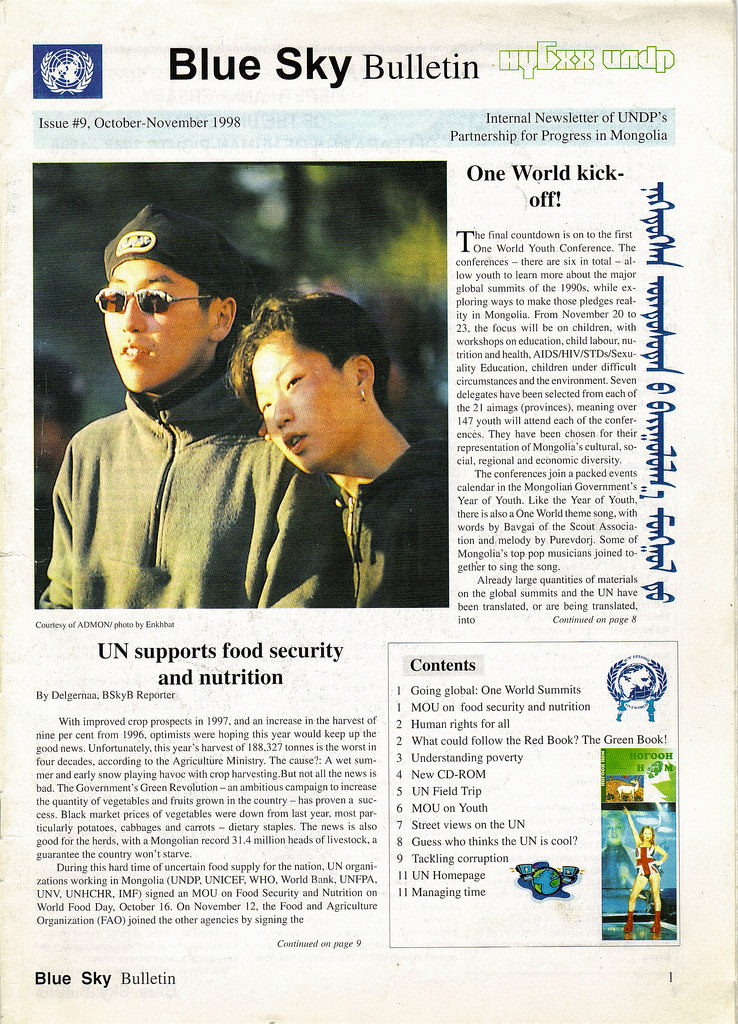
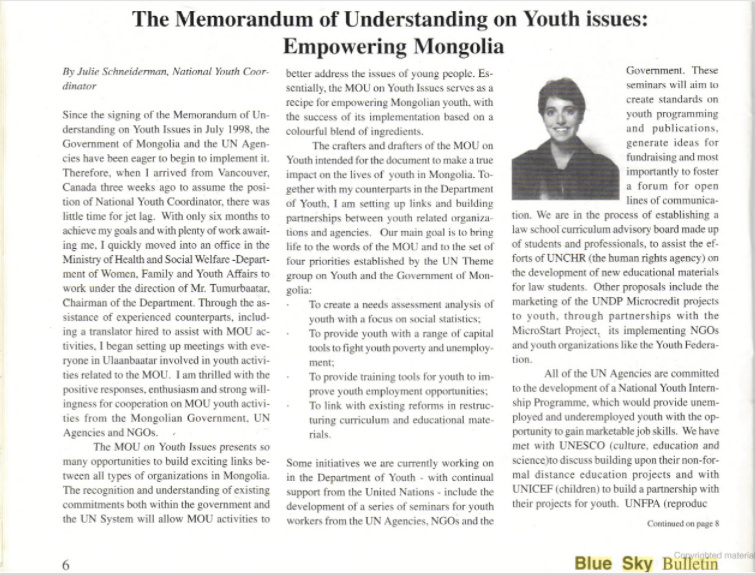
Blue Sky Bulletin Issue 9: The One World Kick-Off!Blue Sky Bulletin Issue 10: The youth of One World featured on the cover.The Memorandum of Understanding on Youth: Negotiated with the Government of Mongolia, it led to the One World Youth Conferences. Pictured: National Youth Coordinator Julie Schneiderman.The Nobel Peace Prize 2001 joint winners. “Never should young people have to be protected from government.” Kofi Annan, UN Secretary-General, 1999.
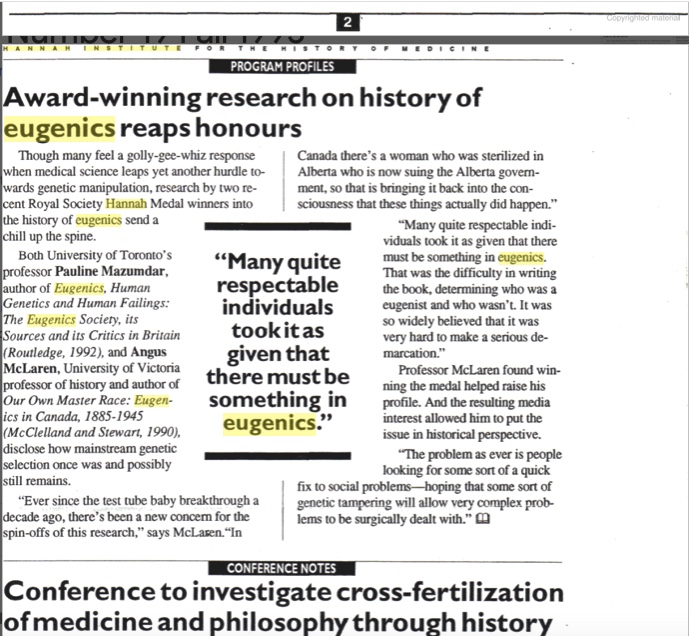
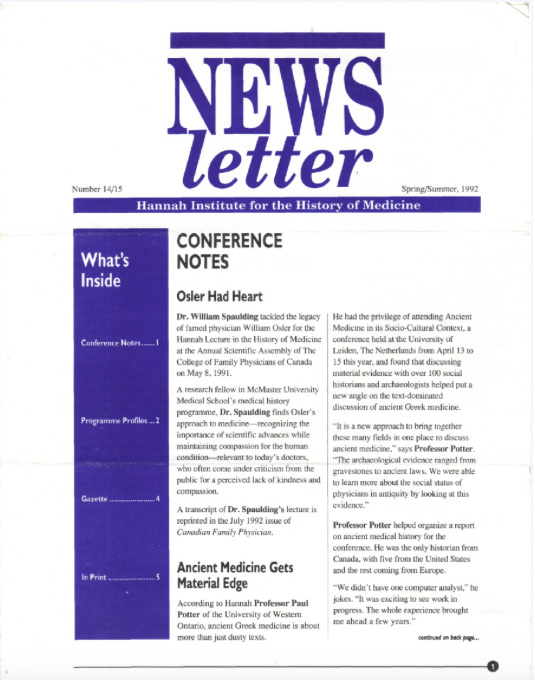
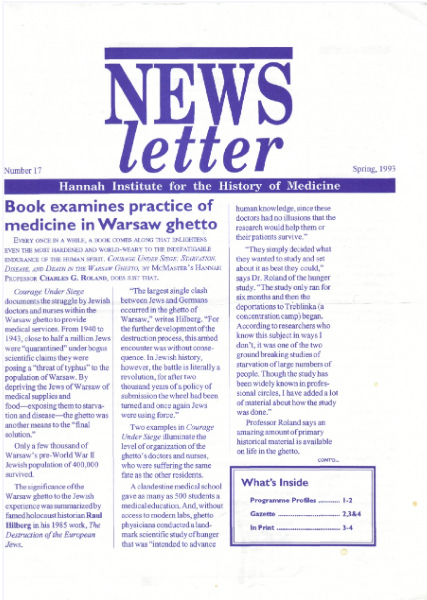
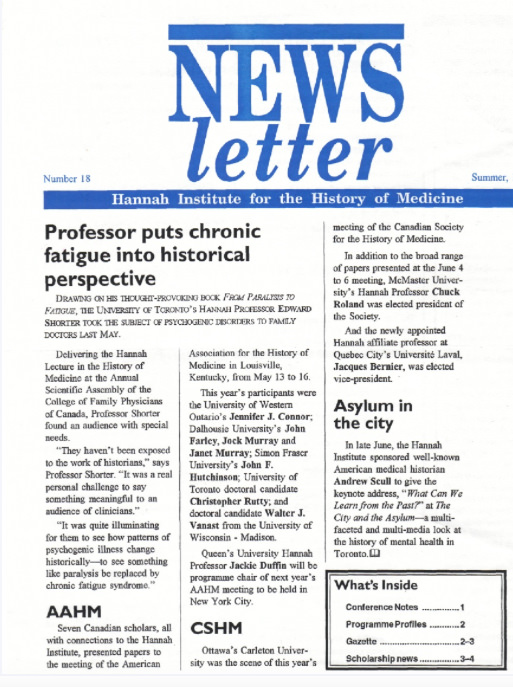
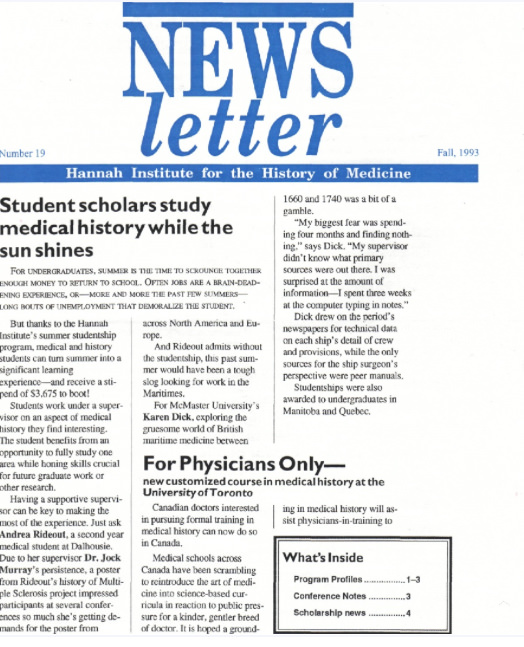
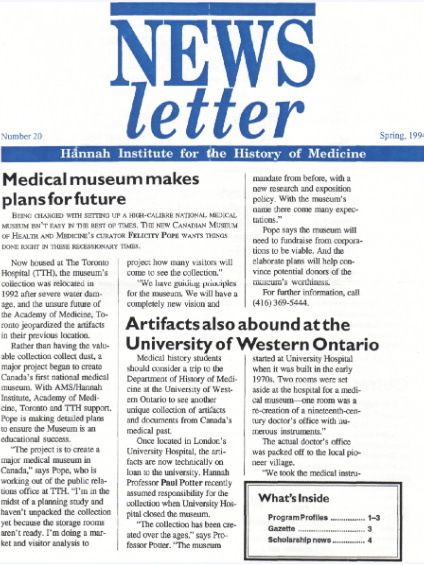
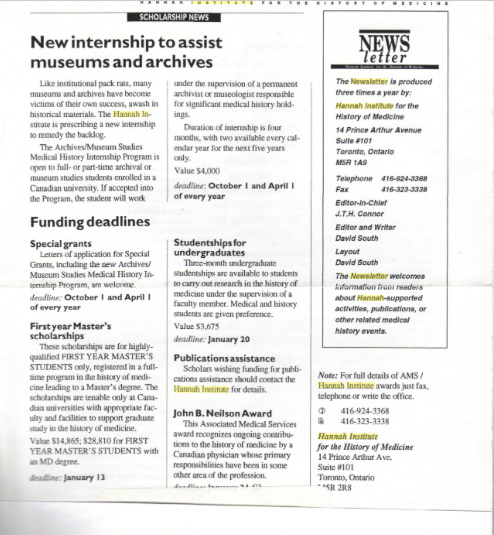
I worked as Editor and Writer for the newsletter of the Hannah Institute for the History of Medicine (under the direction of the Editor-in-Chief and Hannah Executive Director Dr. J.T. H. Connor) in the early 1990s. Located close to the University of Toronto and within a neighbourhood claiming a long association with medical and scientific discovery (Sir Frederick Banting, co-developer of insulin for the treatment of diabetes, lived at 46 Bedford Road,), the goal was to better connect Canada’s medical history community of scholars and raise the profile of the funding resources available to further the study of medical history in Canada.
The Toronto Legacy Project and Heritage Toronto plaque marking the location of Sir Frederick Banting’s former home.
I also revamped the application process for awards, scholarships and grants to make them user-friendly and compatible with word processing software packages of the time.
The Hannah Institute was the adminstrator for the grants and awards funded by AMS (Associated Medical Services). It has had a profound impact on the medical history field in Canada, as the AMS website states:
“As a result of the growth of the discipline and the burgeoning of scholarship, as well as financial support from other funding bodies, in 2006, the AMS Board of Directors decided not to provide new competitive grants and further, decided to bring AMS- administered competitive grants to closure by 2011.
In the 1970’s when the Hannah Chairs and the Hannah Institute were established, the discipline of the history of medicine was an “orphan’ within the Canadian scholarly community. Three decades later with the support of AMS, history of medicine and healthcare continued to thrive in universities and colleges across Canada.”
The archive of newsletters is held at the Wellcome Collection Library in London, UK and at the University of Toronto.“Professor puts chronic fatigue into historical perspective” announced the launch of a new book by the University of Toronto’s Hannah Professor Edward Shorter. Abstracts in Anthropology, Volume 43, Issues 3-4: “… in recent years it has become a pursuit for a growing number of researchers. … Behind much of this growth has been the Hannah Institute for the History of Medicine which has encouraged writing …”.












 David South Consulting
You must be logged in to post a comment.