Categories
Archive Blogroll Development Challenges, South-South Solutions Newsletters Southern Innovator magazine

Dynamic Growth in African ICT is Unlocking Secrets of SME Treasure Trove

By David SouthDevelopment Challenges, South-South Solutions

SOUTH-SOUTH CASE STUDY

A newly released survey of 14 African countries in 2006 has documented the impact of Information and Communication Technology (ICT) on private sector development and how it is contributing to developing a vibrant Small Medium Enterprise (SME) sector in Africa. It discovered how dynamic the SME sector is, how it has rapidly adopted mobile phone technology (96 percent have it), and how if used properly in concert with this new technology, extraordinary economic growth is possible.

The survey – Towards An African e-Index: SME e-Access and Usage in 14 African Countries – covered only businesses employing fewer than 50 people and took in the vast informal sector in the countries. It investigated if they had access to ICTs, how they are using them and if it was making them more productive. SMEs were especially interesting because they do not waste money (most people are just trying to survive) and they only use what is really useful to them to increase income. In the informal sector this has become the mobile phone.

The countries surveyed included Botswana, Cameroon, Ethiopia, Ghana, Kenya, Mozambique, Namibia, Nigeria, Rwanda, South Africa, Tanzania, Uganda, Zambia and Zimbabwe. With most of the continent’s poor working in the SME sector, little was actually known about the impact of ICT and its link to profitability and labour productivity. And surveying only formal businesses would be telling half the story since about two-thirds of non-resource driven GDP generation is derived from SMEs, and a large share of that from informal ones.

“This is a sector that has no access to formal finance,” said Dr. Christopher Stork, a senior researcher at the Witwatersrand University in South Africa. “The mobile phones present an opportunity to tap into this market and offer finance, banking services, cash transfers – we see this already in Kenya – without the risks of other services. These informal businesses can build up a history, learn how to better control their businesses, and receive loans. Where the financial system is dysfunctional or overpriced, airtime credits can be the new cash form.”

Africa has a high proportion of entrepreneurs because people have next to no social supports to fall back on and need to do business to survive. Most fall into the informal sector where they can avoid paying tax, pay low wages, and keep overheads down. According to Stork, if governments are serious about dealing with poverty, then the best approach is to acknowledge this sector, and rather than crush it, draw it in to become more sophisticated and efficient. He sees the mobile phones as key to this strategy.

“Innovative technology can help these entrepreneurs to acquire the tools they need to do business better. There is a lack of skills in all areas, a lack of accounting skills, a lack of basic financial management. This is where ICT can overcome this. SMEs can get a monthly statement with all their business transactions, making it easier to manage things. This would be a great way to distribute micro-finance. Savings clubs could store cash on the phones.”

The e-Index also noted the trend for mobile phone providers to consolidate and offer common regional services. This could fuel an explosion in cross-border trade as it becomes cheaper and easier to communicate via mobile phone for business. The e-Index also found the ever-growing importance of internet cafes remains. They continue to evolve into multi-purpose business centres offering a wide range of services, from post to word processing. At present they still remain the main means of accessing the internet. And with broadband still minimal and very expensive, it falls on mobile phones to offer internet access, though this will remain mainly in the continent’s capitals.

The survey’s sponsor, Research ICT Africa! (RIA!) network, seeks to build an African knowledge base in support of ICT policy and regulatory design. The network emerged out of a growing need for hard data and analysis to help the continent join the information age. Throughout 2007 it is conducting household surveys on e-access and e-usage and will present the findings in 2008.

You can download for free the entire report Towards An African e-Index: SME e-Access and Usage in 14 African Countries here: Click

Published: February 2007

https://davidsouthconsulting.org/2022/11/21/africa/

https://davidsouthconsulting.org/2022/10/26/africa-to-get-own-internet-domain/

https://davidsouthconsulting.org/2022/11/11/african-botanicals-to-be-used-to-boost-fight-against-parasites/

https://davidsouthconsulting.org/2022/11/11/african-breakthroughs-to-make-life-better/

https://davidsouthconsulting.org/2022/11/19/african-culture-as-big-business/

https://davidsouthconsulting.org/2022/11/17/african-ingenuity-attracting-interest/

https://davidsouthconsulting.org/2022/11/15/african-innovators-celebrated-in-prize/

https://davidsouthconsulting.org/2022/10/21/african-media-changing-to-reach-growing-middle-class/

https://davidsouthconsulting.org/2022/11/02/african-online-supermarket-set-to-boost-trade/

https://davidsouthconsulting.org/2022/10/26/african-trade-hub-in-china-brings-mutual-profits-2/

https://davidsouthconsulting.org/2022/10/26/africas-consumer-market-in-spotlight-for-2011/

https://davidsouthconsulting.org/2022/10/20/africas-tourism-sector-can-learn-from-asian-experience/

https://davidsouthconsulting.org/2022/10/24/made-in-africa-fashion-brand-pioneers-aim-for-global-success/

https://davidsouthconsulting.org/2022/10/25/many-positive-trends-for-africa-in-2010/

https://davidsouthconsulting.org/2022/10/21/a-new-african-beer-helps-smallholder-farmers/

https://davidsouthconsulting.org/2022/11/01/new-journal-celebrates-vibrancy-of-modern-africa/

https://davidsouthconsulting.org/2022/10/26/shopping-and-flying-in-africas-boom-towns/

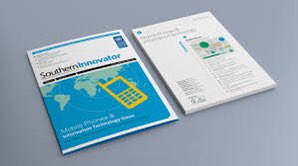
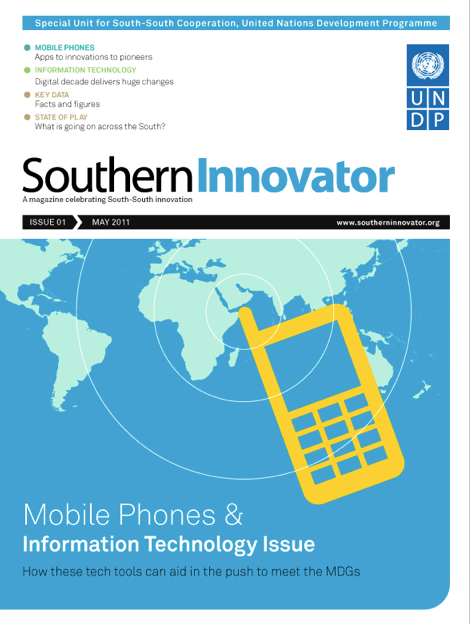
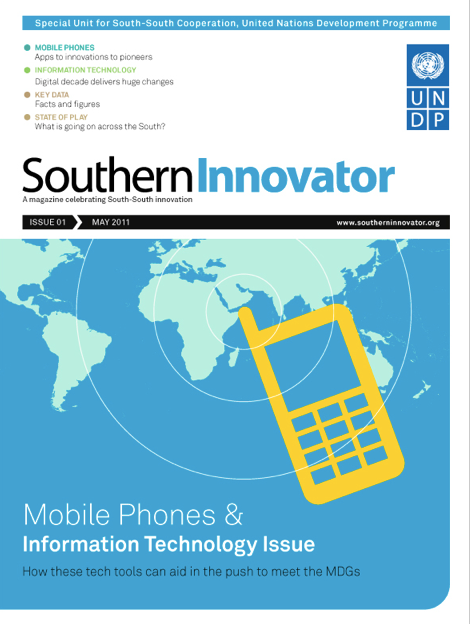
Development Challenges, South-South Solutions was launched as an e-newsletter in 2006 by UNDP’s South-South Cooperation Unit (now the United Nations Office for South-South Cooperation) based in New York, USA. It led on profiling the rise of the global South as an economic powerhouse and was one of the first regular publications to champion the global South’s innovators, entrepreneurs, and pioneers. It tracked the key trends that are now so profoundly reshaping how development is seen and done. This includes the rapid take-up of mobile phones and information technology in the global South (as profiled in the first issue of magazine Southern Innovator), the move to becoming a majority urban world, a growing global innovator culture, and the plethora of solutions being developed in the global South to tackle its problems and improve living conditions and boost human development. The success of the e-newsletter led to the launch of the magazine Southern Innovator.

https://davidsouthconsulting.org/2022/11/01/southern-innovator-magazine-2010-2014/

Creative Commons License

This work is licensed under a
Creative Commons Attribution-Noncommercial-No Derivative Works 3.0 License.

ORCID iD: https://orcid.org/0000-0001-5311-1052.

© David South Consulting 2023
Categories
Archive data Development Challenges, South-South Solutions Newsletters Southern Innovator magazine

Computing in Africa is Set to Get a Big Boost

By David SouthDevelopment Challenges, South-South Solutions

SOUTH-SOUTH CASE STUDY

The image of Africa as a technological laggard is set to be seriously challenged as a number of developments converge in 2007. Alongside the booming African mobile phone market – itself now getting global attention for innovation – the African computer scene will soon have both the software and hardware that acknowledge the continent’s unique needs while being affordable. Further challenging stereotypes, the continent’s burgeoning and dynamic open source software movement is the subject of a new film by a Danish filmmaker, and the African-made Ubuntu, Linux-based operating system now has a new user manual to help it attract new adherents.

African technological innovation rarely makes headlines in the West. But a Danish filmmaker is changing these perceptions with his film showing the dynamism and enthusiasm behind the open source software movement in Africa. The yet-untitled film, directed by David Madie, is from Eighty Days Productions and is due for release in the spring of 2007. It follows a young computer entrepreneur, Wire Lunghabo James, from Uganda’s Linux Solutions in Africa, who has been instrumental in building the Web’s presence in the country and in East Africa.

“This film will show the characters fighting for what they believe in. This happens to be Open Source, which I think is an important agenda,” director Madie told Tactical Technology Collective ( www.tacticaltech.org), a website “demystifying technology for non-profits.”

Unlike off-the-shelf software, open source software has many advantages. It is free, and no licence fee is required, so as many copies as necessary can be made. It is fully customisable, so local languages and cultural conditions can be taken into consideration. It is a universal language (the most popular is Linux) and thus it is easier to understand how a specific application works. For developing countries, it has the advantage of empowering local programmers and dymistifying computer programming, removing it from the domain of private companies and large government agencies. In 2005 the New Partnership for African Development (NEPAD) urged African countries to embrace open source software to encourage the growth of indigenous software development.

“I think he (James) is also a role model in the sense that he combines doing a business, with doing social work. To him these things are not opposites: these are things that can perfectly work well together. You can do business in a social manner,” Madie said.

The Ubuntu software programme is a complete, free operating system that emphasizes community, support, and ease of use while refusing to compromise on speed, power, and flexibility. Ubuntu is an ancient African word meaning humanity to others, and its software version is described as Linux for human beings – designed for everyone from computer novices to experts. Ubuntu is the most in-demand Linux system in Africa, and the official guide is aimed at NGOs, home users or small businesses.

One Laptop Per Child Project (OLPC)

In another development, the One Laptop Per Child project (OLPC) has announced the release for general sale of its durable bright green and yellow laptops ready loaded with Linux-based operating systems. Customers in wealthy countries will have to buy two laptops, with the second going to a developing country. Five million will be delivered to the developing world over the summer of 2007. The eventual aim is to sell the machine to developing countries for US $100, but the current cost of the machine is about US $150. The OLPC laptop’s software has been designed to work specifically in an educational context. It has built-in wireless networking and video conferencing so that groups of children can work together. The OLPC project is working with the search engine Google, who will act as “the glue to bind all these kids together”. Google will also help the children publish their work on the internet.

The One Laptop Per Child project (http://wiki.laptop.org/go/Home) has struck its first deal with Rwanda’s president Paul Kagame to provide every school pupil with a laptop computer within the next five years. The laptops and all the support costs will be covered by OLPC.

Published: January 2007

Resources 

https://davidsouthconsulting.org/2022/02/09/african-health-data-revolution/

https://davidsouthconsulting.org/2021/02/20/african-supercomputers-to-power-next-phase-of-development/

https://davidsouthconsulting.org/2022/10/06/african-technology-tackles-health-needs/

https://davidsouthconsulting.org/2020/12/04/big-data-can-transform-the-global-souths-growing-cities/

https://davidsouthconsulting.org/2020/12/04/data-surge-across-global-south-promises-to-re-shape-the-internet/

https://davidsouthconsulting.org/2022/10/20/the-e-reader-battle-reaches-india/

https://davidsouthconsulting.org/2021/02/18/what-is-the-un-doing-with-your-data/

Development Challenges, South-South Solutions was launched as an e-newsletter in 2006 by UNDP’s South-South Cooperation Unit (now the United Nations Office for South-South Cooperation) based in New York, USA. It led on profiling the rise of the global South as an economic powerhouse and was one of the first regular publications to champion the global South’s innovators, entrepreneurs, and pioneers. It tracked the key trends that are now so profoundly reshaping how development is seen and done. This includes the rapid take-up of mobile phones and information technology in the global South (as profiled in the first issue of magazine Southern Innovator), the move to becoming a majority urban world, a growing global innovator culture, and the plethora of solutions being developed in the global South to tackle its problems and improve living conditions and boost human development. The success of the e-newsletter led to the launch of the magazine Southern Innovator. 

https://davidsouthconsulting.org/2021/03/05/southern-innovator-issue-1/

Creative Commons License

This work is licensed under a
Creative Commons Attribution-Noncommercial-No Derivative Works 3.0 License.

ORCID iD: https://orcid.org/0000-0001-5311-1052.

© David South Consulting 2023

Categories
Archive Blogroll UNDP Mongolia 1997-1999

Information Accelerates Crisis Recovery And Development | 1997

DS Consulting logo copy

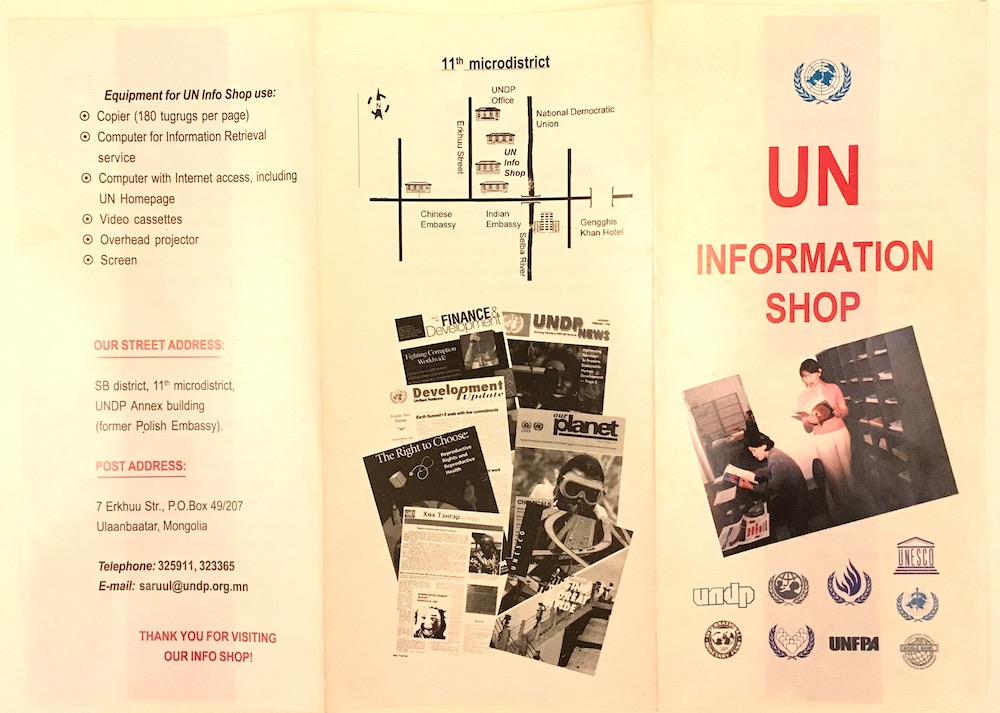
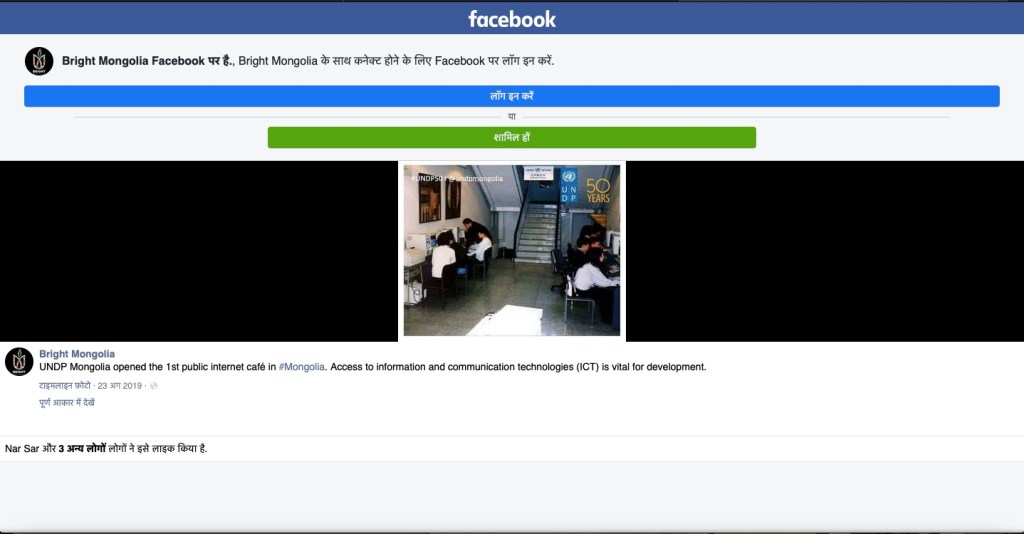
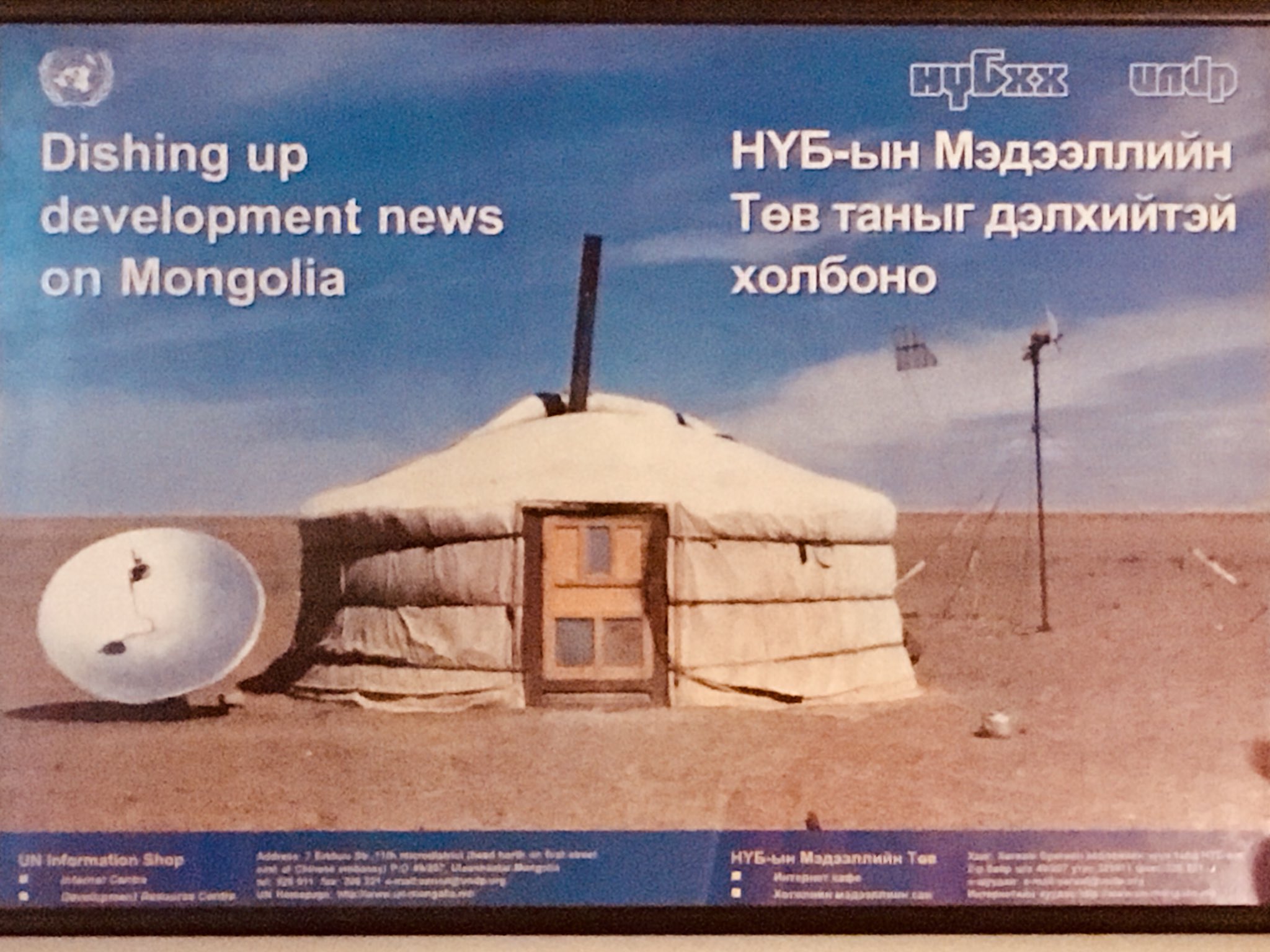
The United Nations Information (UN Info Shop) was established by UNDP Mongolia in 1997 and was managed by the UNDP Mongolia Communications Office. Context is everything. At this time, Mongolia was still recovering from the chaotic and turbulent transition from Communism to free markets and democracy begun at the start of the 1990s, called by some “one of the biggest peacetime economic collapses ever (Mongolia’s Economic Reforms: Background, Content and Prospects, Richard Pomfret, University of Adelaide, 1994)”. There was a thirst for information: access to the Internet was still limited and access to mobile phones was just the preserve of the rich. As a legacy of the past, information, especially that about the outside world and the country’s true economic and social conditions, was restricted. During the years of Communism, even simple travel from one place to the next was strictly regulated. 

While today we can take it for granted that the Internet, and mobile and smart phones, deliver the world’s information in seconds, this just was not the case in the late 1990s in Mongolia. 

The UN Info Shop quickly became a crucial resource for students (many schools and universities were nearby) and it became a first stop for many wishing to access the Internet. It also substantially raised the profile of the UN in the country as the public could, for the first time, enter the UN building and discover what the UN was doing in the country. They could also visit the UNDP Mongolia Communications Office and meet its team. 

UN Info Shop cover
P. Dagmidmaa reads the Human Development Report Mongolia 1997 in the UN Info Shop.
UN Info Shop inside
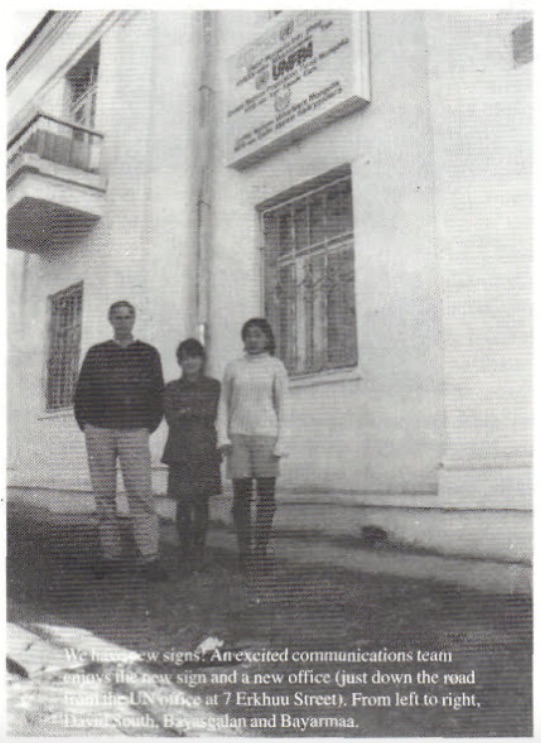
Outside the UN Info Shop 1.0
The UNDP Mongolia Communications Office Team 1998 outside the UN Info Shop in the capital, Ulaanbaatar: David South, Bayasgalan and Bayarmaa.
“UNDP Mongolia opened the 1st public internet cafe in Mongolia.” The internet cafe was part of the UN Mongolia Info Shop.
Many initiatives grew from the talented and dynamic UNDP Mongolia Communications Office team. Here are links to some of them:

Ger: Mongolia’s First Web Magazine

Mongolian AIDS Bulletin

UN/UNDP Mongolia Development Web Portal

Case Study: UN + UNDP Mongolia | 1997-1999

© David South Consulting 2017
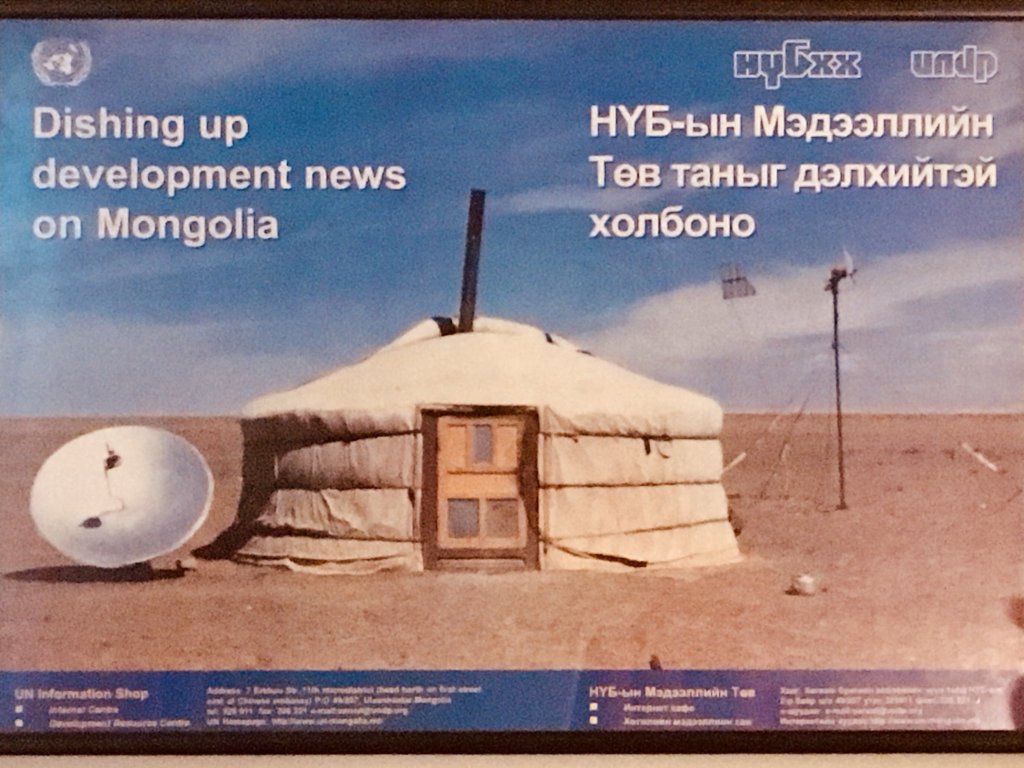
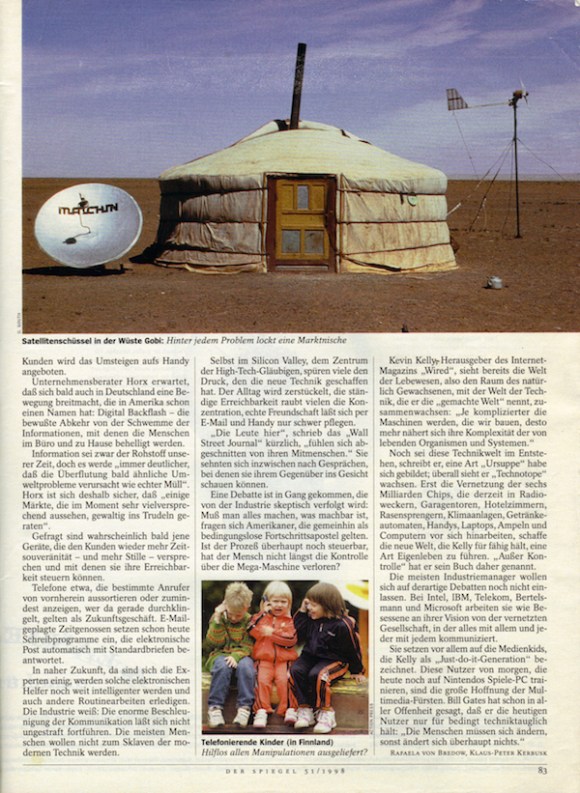
In 1998 Der Spiegel’s “Kommunikation total” issue profiled the global connectivity revolution underway and being accelerated by the Internet boom of the late 1990s. It chose my picture of a satellite dish and a ger in the Gobi Desert to symbolise this historic event.

This work is licensed under a Creative Commons Attribution 4.0 International License.

ORCID iD: https://orcid.org/0000-0001-5311-1052.

© David South Consulting 2024