Tag: green economy

  • Recycling Waste to Boost Incomes and Opportunities

    Recycling Waste to Boost Incomes and Opportunities

    By David SouthDevelopment Challenges, South-South Solutions

    SOUTH-SOUTH CASE STUDY

    We all know that green is good, but often the best way to encourage recycling and other environment-improving activities is to put in place economic incentives. It is one thing to admonish people and tell them something is the right thing to do; it is another to make keeping a clean environment pay.

    Many initiatives across the global South have proven it is possible to develop an economy of recycling and garbage collection in poor neighbourhoods. These economies take many forms and models.

    At the most basic end of the scale are the desperate, survival-driven examples of recycling. In countries likeIndia, recycling can be purely a question of survival – people are so poor they can’t allow anything that might have income potential go to waste. Other countries are very familiar with large numbers of desperately poor people picking through garbage dumps and waste to eke out a living. Or, for example in Brazil, as in many other countries, it’s common to see poor and homeless people picking through garbage on the streets.

    These are examples of degrading ‘green’ economies. But there other ways to encourage waste recycling that offer real income benefits and life improvements.

    Brazil, a world leader in waste recycling and green technologies, has pioneered the recycling of plastic bottles, aluminum, steel cans, solid plastic waste and glass. And now energy companies inBrazilhave created credit schemes that encourage waste recycling while giving people real economic benefits in return for doing the right thing for the environment. The first scheme went so well, it quickly inspired others to replicate its programme in other poor communities.

    Coelce (http://www.coelce.com.br/default.aspx) is a power company in the Ceará State in northeastern Brazil. The company is primarily engaged in the distribution of electrical power for industrial, rural, commercial and residential consumption. In 2007 it set up Ecoelce (http://www.coelce.com.br/coelcesociedade/programas-e-projetos/ecoelce.aspx), a programme allowing people to recycle waste in return for credits towards their electricity bills. The success of the programme led to an award from the United Nations.

    The programme works like this: people bring the waste to a central collection place, a blue and red building with clear and bright branding to make it easy to find. In turn they receive credits on a blue electronic card – looking like a credit card – carrying a picture of a child and arrows in the familiar international recycling circle.

    These credits are then used to calculate the amount of discount they should receive on their energy bill. The scheme is flexible, and people can also use the credits for food or to pay rent. In 2008, after its first yearthe scheme had expanded to 59 communities collecting 4,522 tons of recyclable waste and earning 622,000 reais (US $349,438) in credits for 102,000 people. People were receiving an average of 5 to 6 reais (US $2.80 to US $3.37) every month towards their energy bills.  A clear success leading to an expansion of the scheme.

    Now in Ceará’s state capital, Fortaleza (http://en.wikipedia.org/wiki/Fortaleza), – population 3.5 million – there are more than 300,000 people recycling a wide range of materials, from paper, glass, plastics, and metals to cooking oil to get electricity discounts, according to the Financial Times.

    In Brazil’s second largest city, Rio de Janeiro, a favela clean-up programme is being run by electricity firm Light S.A. (http://www.light.com.br/web/tehome.asp), which took its inspiration from the success of the Ecoelce experience.

    The number of favelas, or informal slum neighbourhoods (http://en.wikipedia.org/wiki/Favela), in Rio is debated: according to the federal government, there are 1,020 favelas, while Rio’s housing department lists 582. The government has been trying to tackle the law and order problems in these neighbourhoods – many are plagued with violent drug gangs – and endemic poverty. It calls this programme “pacification” (http://brazilportal.wordpress.com/2011/10/20/rios-top-cop-talks-public-safety-policy-favela-pacification-program/) as it tries to bring law and order and boost economic development and social gains.

    Recycling programmes are helping to bring improvements to life in the favelas by simultaneously cleaning up neighbourhoods and boosting household wealth.

    Light S.A. is a Brazilian energy company working in the generation, transmission, distribution and marketing of electricity. It distributes to 31 municipalities inRio de Janeiroand has around 3.8 million customers.

    According to the Financial Times, the Light project pays residents 0.10 reais per kilogram of paper and plastic (US .5 cents). It also pays 2.50 reais per kilogram of aluminum and lead (US $ 1.40).

    Importantly for community relations, the scheme is open not just to favela residents but to nearby middle class neighbourhoods.

    “The idea is to unite the community and the people living around it,” Fernanda Mayrink, Light’s community outreach officer, told the Financial Times.

    The project has helped improve theSanta Martafavela ofRio, where police have been working since 2008 to take back the neighbourhood from the control of violent drug gangs. Community police officers can now do their job of taking care of safety for the 6,000 residents.

    “You don’t see drugs and guns any more but you do see lots of rubbish,” Mayrink said.

    “This project encourages recycling within the company’s concession area and at the same time contributes to sustainable development and the consumer’s pocket. Light wins, the customer wins (and) the environment wins.”

    In Vietnam, the NGO Anh Duong (http://www.anhduonghg.org/en/) or “Sun Ray” shows schoolchildren how to collect plastic waste to sell for recycling. In return, their schools receive improvements and the students can win scholarships. It is estimated ruralVietnam is littered with 100 million tons of waste every year. Much of it is not picked up.

    The project is operating in 17 communities in Long My and Phung Hiep districts in southernVietnam, mobilising children from primary and secondary schools. School children wearing their uniforms fan out in groups and collect the plastic waste. The money made from selling the plastic waste is being used to improve school facilities and fund scholarships for poor children.

    In 2010, the project reported that 10,484 kilograms of plastic waste was collected by 26,015 pupils. This provided for 16 scholarships for school children.

    The Anh Duong NGO was set up by a group of social workers with the goal of community development. They target the poorest, bringing together the entire community and seek out “low cost and sustainable actions”. The NGO has a mix of specialties, from agriculture to aquaculture, health, microfinance and social work.

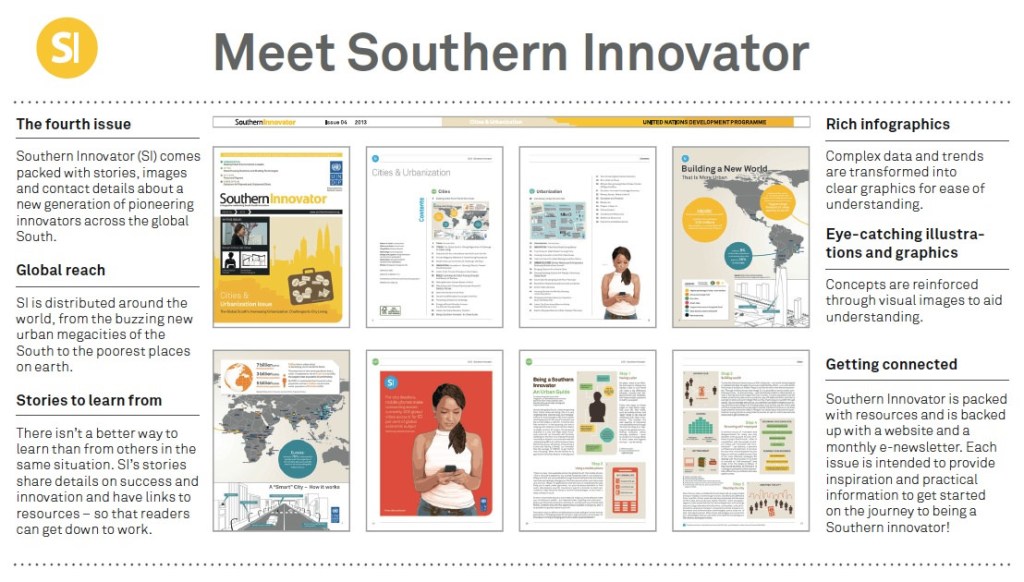
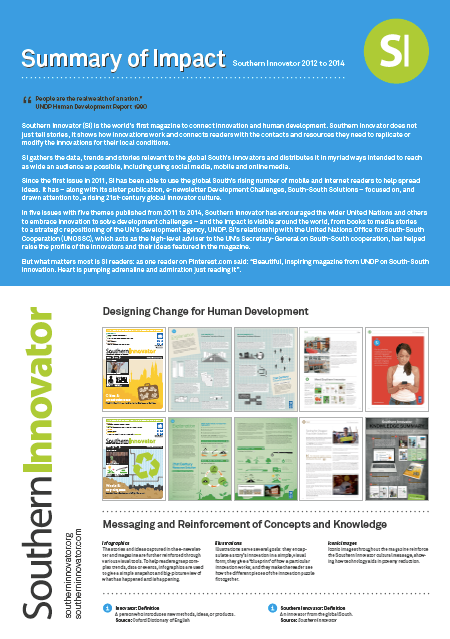
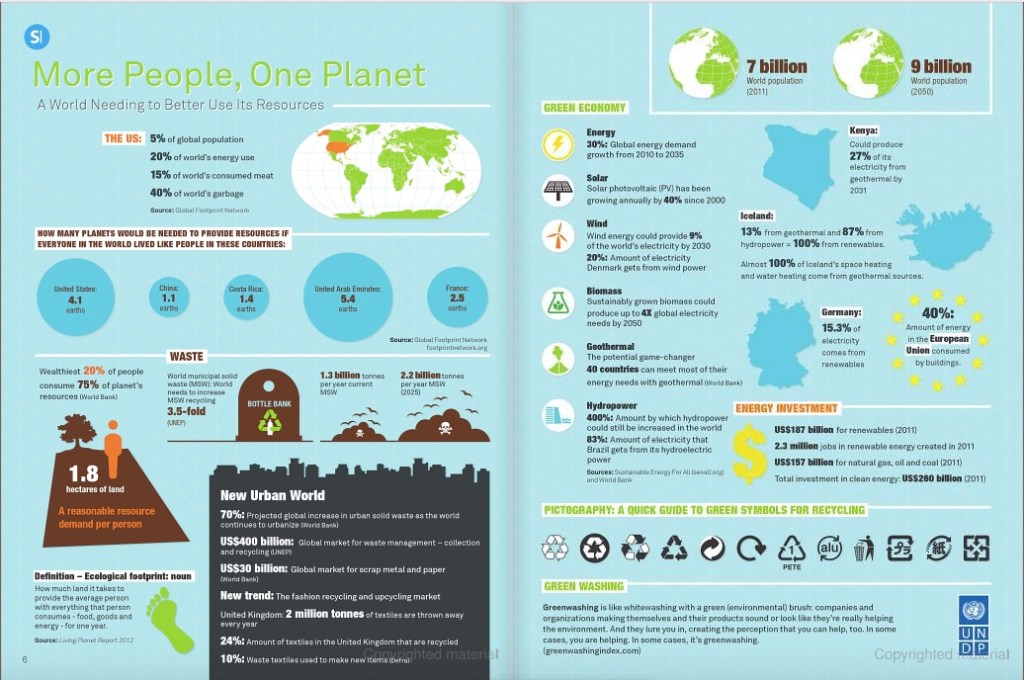
    “Close, but no cigar” some might say, but we were genuinely flattered to be shortlisted in 2014 for inclusion in the book Visual Storytelling: Infographic Design in News published by Images Publishing in Shanghai, China. It is a lovely book to look at and the quality of infographics chosen for the book is high so it must have been a tough call. It was further proof Southern Innovator was getting known around the world and gaining respect for its content and design. The excellent work done by our graphic designer and illustrator Solveig Rolfsdottir speaks for itself.
    Graphic Designer and Illustrator: Sólveig Rolfsdóttir.

    Published: November 2011

    Resources

    1) A travelling exhibit, In The Bag: The Art and Politics of the Reusable Bag Movement, showcases bags and art produced by communities throughout the world and by individual artists. Website:http://www.unrisd.org/80256B3C005BE6B5/%28httpNews%29/D1AB353A91EC2466C125793600519C7B?OpenDocument

    2) EPAP guide: Based on extensive research throughout Mongolia by UNDP, this guide includes the application of the Blue Bag project to Mongolia’s sprawling slum districts surrounding the capital Ulaanbaatar. Website:http://tinyurl.com/yfkn2dp
    Development Challenges, South-South Solutions was launched as an e-newsletter in 2006 by UNDP’s South-South Cooperation Unit (now the United Nations Office for South-South Cooperation) based in New York, USA. It led on profiling the rise of the global South as an economic powerhouse and was one of the first regular publications to champion the global South’s innovators, entrepreneurs, and pioneers. It tracked the key trends that are now so profoundly reshaping how development is seen and done. This includes the rapid take-up of mobile phones and information technology in the global South (as profiled in the first issue of magazine Southern Innovator), the move to becoming a majority urban world, a growing global innovator culture, and the plethora of solutions being developed in the global South to tackle its problems and improve living conditions and boost human development. The success of the e-newsletter led to the launch of the magazine Southern Innovator.  

    Follow @SouthSouth1

    Google Books: https://books.google.co.uk/books?id=waeXBgAAQBAJ&dq=Development+Challenges+February+2008&source=gbs_navlinks_s

    Slideshare: http://www.slideshare.net/DavidSouth1/development-challengessouthsouthsolutionsfebruary2008issue

    Southern Innovator Issue 1: https://books.google.co.uk/books?id=Q1O54YSE2BgC&dq=southern+innovator&source=gbs_navlinks_s

    Southern Innovator Issue 2: https://books.google.co.uk/books?id=Ty0N969dcssC&dq=southern+innovator&source=gbs_navlinks_s

    Southern Innovator Issue 3: https://books.google.co.uk/books?id=AQNt4YmhZagC&dq=southern+innovator&source=gbs_navlinks_s

    Southern Innovator Issue 4: https://books.google.co.uk/books?id=9T_n2tA7l4EC&dq=southern+innovator&source=gbs_navlinks_s

    Southern Innovator Issue 5: https://books.google.co.uk/books?id=6ILdAgAAQBAJ&dq=southern+innovator&source=gbs_navlinks_s

    Creative Commons License

    This work is licensed under a
    Creative Commons Attribution-Noncommercial-No Derivative Works 3.0 License.

    ORCID iD: https://orcid.org/0000-0001-5311-1052.

    © David South Consulting 2023

  • E-Books

    E-Books

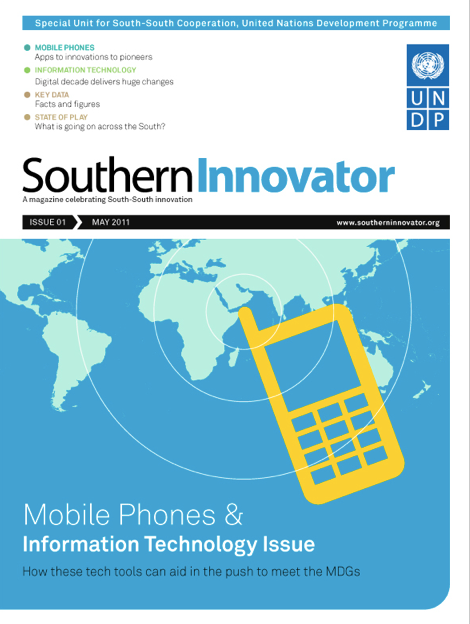
    MOST READ! Southern Innovator Issue 1: Mobile Phones and Information Technology: http://www.scribd.com/doc/57980406/Southern-Innovator-Magazine-Issue-1

    Southern Innovator Issue 2: Youth and Entrepreneurship: http://www.scribd.com/doc/86451057/Southern-Innovator-Magazine-Issue-2

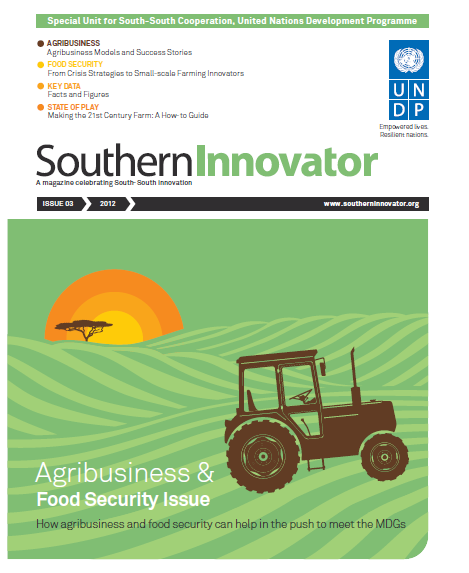
    Southern Innovator Issue 3: Agribusiness and Food Security: http://www.scribd.com/doc/105746025/Southern-Innovator-Magazine-Issue-3

    Southern Innovator Issue 4: Cities and Urbanization:  http://www.scribd.com/doc/128283953/Southern-Innovator-Magazine-Issue-4

    NEW! Southern Innovator Issue 5: Waste and Recycling: http://www.scribd.com/doc/207579744/Southern-Innovator-Magazine-Issue-5-Waste-and-Recycling

    AWARD-WINNING! GOSH e-Health Project Launch Brochure and Screen Grabs: http://www.scribd.com/doc/20857167/GOSH-e-Health-Project-Launch-Brochure-and-Screen-Grabs

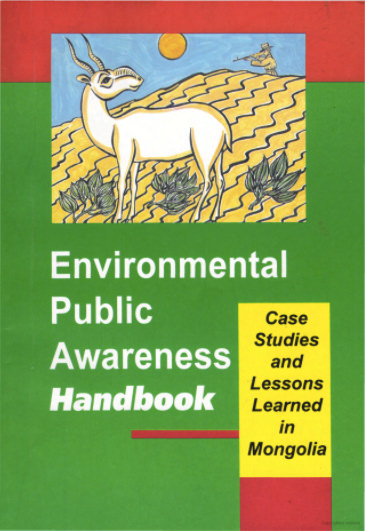
    Environmental Public Awareness Handbook: Case Studies and Lessons Learned in Mongolia: http://www.scribd.com/doc/28633063/Environmental-Public-Awareness-Handbook-Case-Studies-and-Lessons-Learned-in-Mongolia-Part-One

    In their own words: Selected writings by journalists on Mongolia, 1997-1999: http://www.scribd.com/doc/24832935/In-their-own-words-Selected-writings-by-journalists-on-Mongolia-1997-1999

    Mongolian Rock and Pop Book: http://www.scribd.com/doc/23917535/Mongolian-Rock-and-Pop-Book

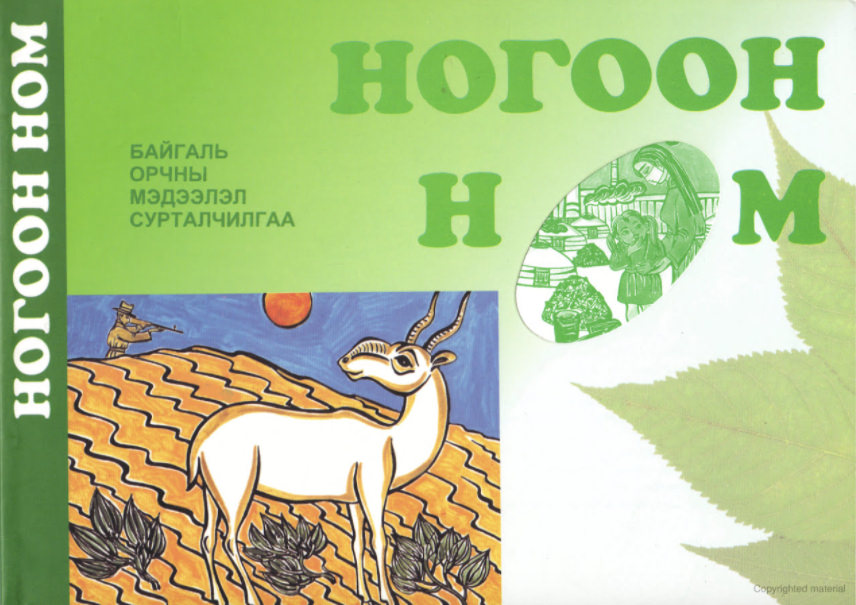
    Mongolian Green Book: http://www.scribd.com/doc/20889227/Mongolian-Green-Book

    Mongolia Update 1998 Book: http://www.scribd.com/doc/20864541/Mongolia-Update-1998-Book

    Human Development Report Mongolia 1997: http://www.scribd.com/doc/20793173/Human-Development-Report-Mongolia-1997

    Creative Commons License

    This work is licensed under a
    Creative Commons Attribution-Noncommercial-No Derivative Works 3.0 License.

    ORCID iD: https://orcid.org/0000-0001-5311-1052.

    © David South Consulting 2022

  • Solar Bottle Bulbs Light Up Dark Homes

    Solar Bottle Bulbs Light Up Dark Homes

    By David SouthDevelopment Challenges, South-South Solutions

    SOUTH-SOUTH CASE STUDY

    Finding ways to generate low-cost or free light has captured the imagination of innovators across the global South. The desire for light is strong: Light gives an immediate boost to income-making opportunities and quality of life when the sun goes down or in dark homes with few windows.

    More than 1.7 billion people around the world have no domestic electricity supply, of whom more than 500 million live in sub-Saharan Africa (World Bank). Without a source of electricity, it is difficult to use conventional technology to switch the lights on.

    While it is possible to run lights using batteries or diesel generators, these are expensive options that are not possible for many poor people. The more of a slim income that is spent on light, heat or cooking fuel, the less there is left for better-quality food, clothing, transport or education and skills development.

    Low-cost light is great, but free light is even better – and one Brazilian solution is offering this.

    Brazilian innovator and mechanic Alfredo Moser has taken the common plastic water bottle and created a low-cost lighting solution for dark spaces. Often makeshift homes lack decent lighting or a good design that lets the light in during the day. This means it may be a bright, sunny day outside, but inside the home or workplace, it is very dark and reading or working is difficult.

    Moser came upon the idea during regular blackouts in his home city of Uberaba (http://www.uberaba.mg.gov.br/portal/principal) in southern Brazil during 2002. During the blackouts, only factories were able to get electricity, leaving the rest of the population in the dark.

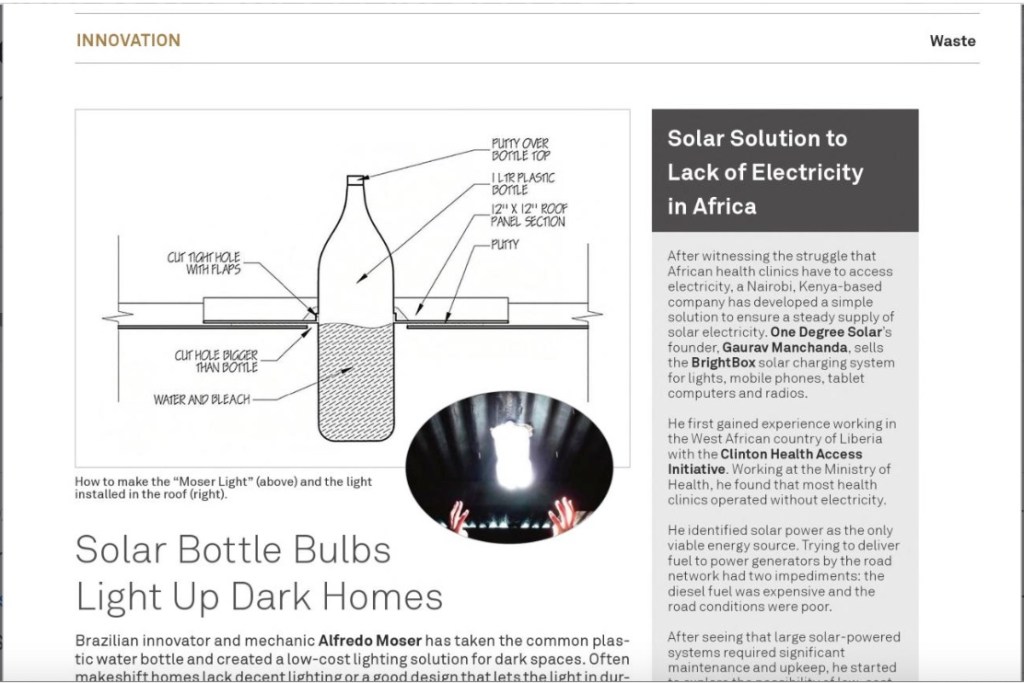
    The “Moser Light” involves taking plastic bottles, which are usually just thrown away or recycled, and filling them with water and bleach to draw on a basic physical phenomenon: the refraction of sunlight when it passes through a water-based medium.

    It is a simple idea: Holes are drilled in the ceiling of a room and the bottles placed in the holes. The liquid-filled bottle amplifies the existing sunlight (or even moonlight) and projects it into the dark room. This turns the plastic bottle into a very bright lightbulb that does not require any electricity.

    Moser uses a solution of two capfuls of bleach added to the water to prevent anything growing in the water such as algae because of the exposure to sunlight.

    “The cleaner the bottle, the better,” he said.

    Polyester resin is used to seal the hole around the plastic bottle and make it watertight from rain.

    Moser claims his bottle innovation can produce between 40 and 60 watts of light.

    Moser uses recycled plastic bottles, so the carbon footprint is minimal compared to the manufacture of one incandescent bulb, which takes 0.45 kilograms of CO2 (UN). Running a 50 Watt incandescent light bulb for 14 hours a day for a year, around the same light as produced by the bottle bulb, produces a carbon footprint of nearly 200 kilograms of CO2.

    “There was one man who installed the lights and within a month he had saved enough to pay for the essential things for his child, who was about to be born. Can you imagine?” Moser told the BBC.

    The plan is to try and get as many as a million homes fitted with the lighting system by the end of 2013.

    In many poor areas, it is common to live in makeshift or rudimentary dwellings. These are often built to crude designs and, in order to keep costs down and boost security, will have few or no windows. These dwellings will consequently be very dark inside, even on the brightest days. This leaves people having to turn to a source of artificial light if they want to do something indoors like read or work. And this costs money. Be it electricity from a mains, or battery-powered lamps or gas-powered lanterns, the cost will eat into a person’s tight income. This is where Moser’s simple solution saves the day and saves pennies: it is free light once the bottle lamp system is installed.

    Placing the bottle lights in the ceiling transforms the ceiling into something akin to the night sky, with many points of light shining down into the room like stars. It also means the occupant of the room does not just have to strain to see with the use of a single light but now has many lights illuminating the room from all angles.

    “It’s a divine light,” Moser told the BBC World Service. “God gave the sun to everyone, and light is for everyone. Whoever wants it saves money. You can’t get an electric shock from it, and it doesn’t cost a penny.”

    It has not been a road to riches for Moser. He has made some money installing the system in a local supermarket and nearby homes, and he has inspired a charity to install the lighting system and to train people to do the installation and make an income from it.

    The MyShelter Foundation in the Philippines was inspired by Moser’s invention and has installed the system in some 140,000 homes there, the BBC reported.

    “We want him to know that there are a great number of people who admire what he is doing,” MyShelter Executive Director Illac Angelo Diaz said of Moser.

    Using bottle bulbs instead of electricity or generators means families can save US $6 per month, according to Diaz (CNN). The Philippines is reported to have the most expensive electricity in Asia and slum homes usually do not have electricity.

    It is estimated 15 other countries also have homes using the Moser system. The MyShelter Foundation believes 1 million homes worldwide have used the Moser system as of 2013.

    Liter of Light (http://aliteroflight.org), run by the MyShelter Foundation, offers instructions on how to install the lighting system on its website.

    Published: September 2013

    Resources

    1) D-Lab: MIT: Development through Dialogue, Design and Dissemination: D-Lab is building a global network of innovators to design and disseminate technologies that meaningfully improve the lives of people living in poverty. The program’s mission is pursued through interdisciplinary courses, technology development, and community initiatives, all of which emphasize experiential learning, real-world projects, community-led development, and scalability. Website: http://d-lab.mit.edu/

    2) d.light Solar: d.light is a for-profit social enterprise whose purpose is to create new freedoms for customers without access to reliable power so they can enjoy a brighter future. d.light design manufacture and distribute solar light and power products throughout the developing world. Website: http://www.dlightdesign.com/

    3) Liter of Light:  It brings the eco-friendly bottle light to communities living without electricity. Website: http://aliteroflight.org

    4) Solar Sister: Solar Sister eradicates energy poverty by empowering women with economic opportunity.  They combine the breakthrough potential of solar technology with a deliberately woman-centered direct sales network to bring light, hope and opportunity to even the most remote communities in rural Africa. Website: http://www.solarsister.org/

    Creative Commons License

    This work is licensed under a
    Creative Commons Attribution-Noncommercial-No Derivative Works 3.0 License.

    ORCID iD: https://orcid.org/0000-0001-5311-1052.

    © David South Consulting 2023

  • Debt-free Homes For the Poor

    Debt-free Homes For the Poor

    By David SouthDevelopment Challenges, South-South Solutions

    SOUTH-SOUTH CASE STUDY

    As the population around the world’s cities grows, and slums grow larger and more prevalent, the urgent need for affordable and decent housing becomes more pressing. The world’s megacities – like Buenos Aires, Argentina, where more than 13 million live in the metropolitan region – have to find a way to provide housing that is both cheap and does the minimum possible amount of harm to the environment.

    About one-third of the world’s urban dwellers live in slums, and the United Nations estimates that the number of people living in such conditions will double by 2030 as a result of rapid urbanization in developing countries. Latin America is already the most urbanized region in the developing world.

    “Throughout Latin America you have economies that are growing and doing well, but the way the economies are growing is actually generating more shanty towns,” said Erik Vittrup, senior adviser on Latin America and the Caribbean for the U.N. Human Settlements Program. “It’s a growth that is just generating wealth for those who (already) have it.”

    How well people dwell is integral to their mental and physical health. Most squatters and slum dwellers live in makeshift homes made from whatever they can get their hands on. These dwellings are usually unsafe and vulnerable to fire, floods, and earthquakes.

    But across the South, initiatives are proving it is possible to build good quality homes for the poor while avoiding burdening them with debt. Pioneering ways are being developed for the poor to build their own high-quality houses using recycled materials and environmentally friendly products.

    In Colombia , Alejandro Salazar, a chemical engineer, professor at the Universidad del Valle (http://www.univalle.edu.co/english/) and innovator running several companies pioneering new building technologies using recycled waste, is building high-quality, inexpensive houses for the poor.  By combining free building materials recovered from waste, a government grant and the voluntary labour of the homeowners, Salazar’s company is able to build homes for the poor that don’t leave them with ongoing bank debt from mortgages.

    Based in Cali, Colombia (http://gosouthamerica.about.com/od/cali/p/Cali.htm), his companies Ecoingenieria (product and material research and development), Ecomat SA (production of eco-materials using industrial waste and construction rubble), Constructora Paez, (social housing construction using eco-products) and Wassh SA (environmental management and transformation of dangerous solid waste into non-dangerous materials), are focused on pioneering new technologies for housing.

    “Our company uses two basic technologies,” said Salazar. “The production of eco-materials from solid waste and demolition waste, and the implementation of an agile building system, which does not require skilled labour and is hand-transportable. All the pieces are produced in a prefabrication plant that uses the eco-materials.”

    Salazar has found a way to provide homes quicker than existing NGOs – Popular Housing Organizations (OPV), as they are called – established to address homelessness in Colombia. The homeless poor are caught in a Catch-22: they need to have a formal job to receive homebuilding assistance from the government, and they usually can not save up enough money for a down payment on the home.

    Salazar’s solution is to take the maximum grant given by the central government, which is US $4,730, and combine it with the recycled building materials and homeowners’ own labour. He says this allows a house to be built for roughly half the price of a similarly sized one that uses conventional materials: the eco-materials house costs around US $ 6,590, compared to US $12,000 using conventional materials. Land is often either donated by the municipality or the family already owns it. And in Salazar’s experience, the whole family chips in with the building: husbands, sons, brothers, fathers, wives.

    The training takes just three days on eco-materials and a day in construction techniques for house building.

    “To date, we have built with this method 306 houses,” said Salazar. “For the coming year, we expect to deliver around 500 houses or more. To build a house, after acquiring the land, we need three people working eight hours a day to build it in four weeks – all under the supervision of a workforce teacher and the supervision of an engineer or architect.

    “The houses are designed by architects with the participation of the community or families. They do some workshops and the design conforms to their vision and expectation. In Colombia, there is an earthquake resistance code which is binding in law and provides detailed specifications of the materials, foundations, structure and roof.”

    The pre-fabricated building materials are made from recovered waste from a wide variety of sources: ceramic red brick, coarse ash and fly ash, slag from steel, copper slag, porcelain insulators used for electrical power lines, nickel slag, sludge from sugar and alcohol plants and water treatment plants.

    “The raw materials we use are industrial solid waste and demolition waste. It costs the industry a lot to throw away this waste,” Salazar said.

    He said the biggest obstacle to the new homes is psychological: many people initially “tend to reject at first-hand the technology.”

    “When visiting the factory and then visiting the homes – or model homes – they then compare it with a traditional house, and realize that the best eco-homes when finished meet the standards of Colombian earthquake resistance and are also cheaper,” he said.

    Compared to using conventional building materials, the eco-materials reduce the cost of a new home. And the company still makes a profit from it!

    In Paraguay, Elsa Zaldivar is using recycled plastic, cotton netting, corn husks, and loofah sponges (http://en.wikipedia.org/wiki/Luffa) to make cheap, lightweight construction panels for housing. This has a double benefit: it makes for cheap housing and it is good for the environment.

    “That’s very important in Paraguay,” said Zaldivar, “because we’ve already reduced our original forest to less than 10 percent of the national territory.”

    Zaldivar got her experience working with people in the impoverished area of Caaguazú, where in the past she helped with the building of toilets and making stoves. She found that involving local people in this work made a huge difference: “They told me: ‘Now we feel like we’re people with dignity.’”

    She encourages local women to grow loofah – a plant that once flourished but was being ignored. While the fruit is edible she was more interested in the crusty sponge that is left over when the plant is dried. The women started a cooperative selling loofah sponges, mats and slippers. But there was a lot of waste in the process, with a third not suitable for export. She then came up with the idea to use the loofahs for wall and roof panels for cheap housing.

    Along with industrial engineer Pedro Padros, she developed a way to combine loofah with plastic waste. Padros invented a machine to melt the recycled plastic and mix the molten plastic with loofah, vegetable fibres and chopped corn husks. It has produced a building panel that is lighter and easier to move around than lumber or brick. With a grant from the Inter-American Development Bank, design improvements have been made and the cost-per-panel brought down from US $6 per square meter. It is now competitive with the cost of wood panels. The great thing about the panels is that they can be recycled again when they wear out, completing the cycle.

    “To have a decent home liberates people,” said Zaldivar.

    Published: January 2009

    Resources

    • Cradle to Cradle: Remaking the Way We Make Things: This radical concept is about how products, can be used, recycled, and used again without losing any material quality—in cradle to cradle cycles. Website: http://www.mcdonough.com/cradle_to_cradle.htm
    • Builders Without Borders: Is an international network of ecological builders who advocate the use of straw, earth and other local, affordable materials in construction. Website: http://builderswithoutborders.org/
    • World Hands Project: An NGO specialising in simple building techniques for the poor. Website: www.worldhandsproject.org
    • CIDEM and Ecosur specialise in building low-cost community housing using eco-materials. They have projects around the world and are based in Cuba. Website: http://www.ecosur.org

    Follow @SouthSouth1

    Slideshare: http://www.slideshare.net/DavidSouth1/development-challengessouthsouthsolutionsnovember2010issue

    Southern Innovator Issue 1: https://books.google.co.uk/books?id=Q1O54YSE2BgC&dq=southern+innovator&source=gbs_navlinks_s

    Southern Innovator Issue 2: https://books.google.co.uk/books?id=Ty0N969dcssC&dq=southern+innovator&source=gbs_navlinks_s

    Southern Innovator Issue 3: https://books.google.co.uk/books?id=AQNt4YmhZagC&dq=southern+innovator&source=gbs_navlinks_s

    Southern Innovator Issue 4: https://books.google.co.uk/books?id=9T_n2tA7l4EC&dq=southern+innovator&source=gbs_navlinks_s

    Southern Innovator Issue 5: https://books.google.co.uk/books?id=6ILdAgAAQBAJ&dq=southern+innovator&source=gbs_navlinks_s

    https://davidsouthconsulting.org/2021/02/04/cubas-hurricane-recovery-solution/

    https://davidsouthconsulting.org/2021/11/11/decent-and-affordable-housing-for-the-poor/

    https://davidsouthconsulting.org/2022/11/16/housing-innovation-in-souths-urban-areas/

    https://davidsouthconsulting.org/2021/11/11/housing-solution-for-worlds-growing-urban-population/

    https://davidsouthconsulting.org/2021/02/12/rammed-earth-houses-china-shows-how-to-improve-and-respect-traditional-homes/

    https://davidsouthconsulting.org/2021/02/12/rebuilding-after-chinese-earthquake-beautiful-bamboo-homes/

    https://davidsouthconsulting.org/2022/11/19/securing-land-rights-for-the-poor-now-reaping-rewards/

    https://davidsouthconsulting.org/2022/05/23/solar-bottle-bulbs-light-up-dark-homes/

    https://davidsouthconsulting.org/2021/03/05/southern-innovator-issue-4/

    https://davidsouthconsulting.org/2021/03/05/southern-innovator-issue-5/

    https://davidsouthconsulting.org/2022/11/17/tiny-homes-to-meet-global-housing-crisis/

    Creative Commons License

    This work is licensed under a
    Creative Commons Attribution-Noncommercial-No Derivative Works 3.0 License.

    ORCID iD: https://orcid.org/0000-0001-5311-1052.

    © David South Consulting 2023