Categories
Archive Development Challenges, South-South Solutions Newsletters

Agribusiness + Food Security

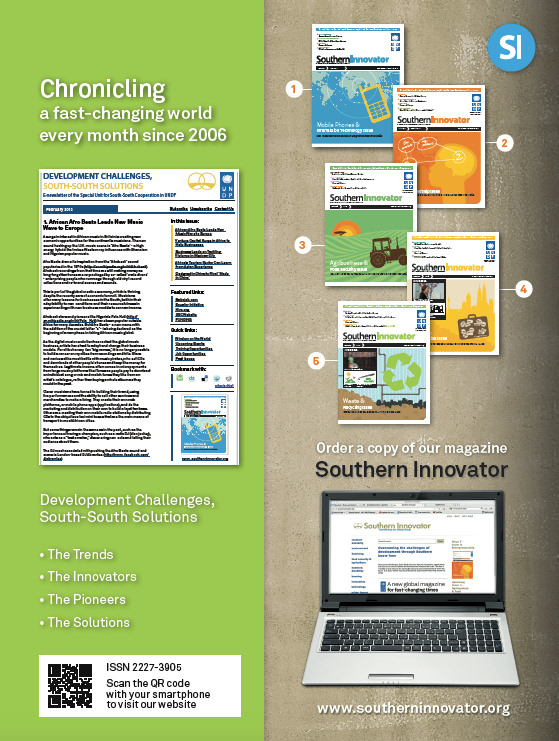
A small sample by theme of stories previously published in the UNOSSC (United Nations Office for South-South Cooperation) e-newsletter Development Challenges, South-South Solutions. It was published from 2006 to 2014. 

Agribusiness + Food Security

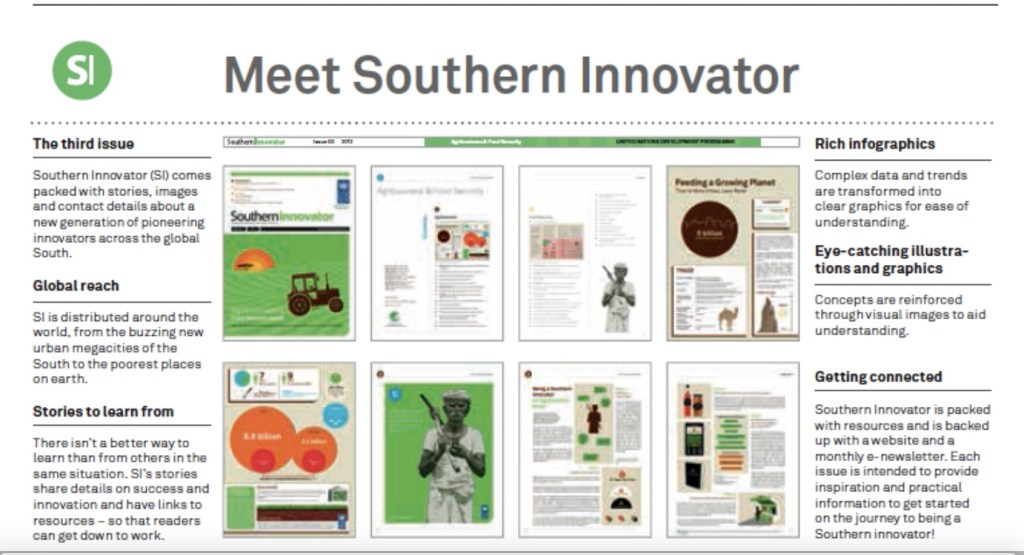
Southern Innovator Issue 3: Agribusiness and Food Security: How agribusiness and food security can help in the push to meet the MDGs

Carbon Credits Can Benefit African Farmers Thanks to New System Development Challenges: The global carbon credit trading schemes emanating from the Kyoto Protocol are now creating a multi-billion dollar market – the European carbon market was worth €14.6 billion in 2006 – and represents one of the fastest growing business opportunities in the world. Being green has finally come of age. Yet all the benefits of this are largely bypassing Africa despite more than 70 percent of the continent’s inhabitants earning a living off the land.

Securing Land Rights for the Poor Now Reaping Rewards Development Challenges: The hotly debated issue of land rights for the poor has never been more relevant. There is mounting evidence that access to land rights can catapult the poor out of poverty and spur growth for the economy. Experience in India and China is now showing the economic power unleashed when the poor gain full legal rights over their land.

Trade to Benefit the Poor Up in 2006 and to Grow in 2007 Development Challenges:The global fair trade market – in which goods and services are traded under the Fairtrade logo, guaranteeing a minimum fair price to producers experienced unprecedented growth in 2006. In the UK alone, 2006 sales totalled £290 million – a jump of 46 percent from 2005. The Fairtrade Foundation predicts sales will reach UK £300 million in 2007.

Bio-ethanol From Sturdy and Once-Unwanted Indian Plant Development Challenges:With awareness of global warming at an all-time high – and governments seeking real-world solutions to solve this enormous problem – bioethanol fuel has risen up the agenda as a replacement for conventional fuel sources. At present, most bioethanol fuel is produced from either corn or sugar but a less known plant jatropha could be the real solution. Brazil has been a pioneer in producing bioethanol fuel from sugar, while the United States has focused on its substantial corn crop as a source, and both contribute more than half the world’s supply.

Afro Coffee: Blending Good Design and Coffee Development Challenges: The importance of good design and a strong brand in the success of a business cannot be emphasised enough. That extra effort and thought can take a business from local success to regional and even global success. As consultants KPMG make clear, “For many businesses, the strength of their brands is a key driver of profitability and cash flow “. Yet the majority of small businesses fail to think about their brand values or how design will improve their product or service.

Cooking up a Recipe to End Poverty Development Challenges: Like music, food has a powerful ability to jump across cultural and regional barriers and unite people in the sheer pleasure of the meal. Tapping the rich vein of regional culinary heritages is also a great way to make money. Promoting local recipes and foods has other benefits: as the global obesity (or globesity as WHO calls it) epidemic reaches into the urban areas of cities in the developing world, anything that pulls people away from fast food and high-fat foods is a good thing. Doctors have found home cooking keeps people thin and is better for them.

Dabbawallahs Use Web and Text to Make Lunch on Time Development Challenges:The developing world’s rapidly growing cities are bringing with them whole new ways of living and working. One rapidly expanding category of citizen is the office worker. A symbol of growing prosperity, the office worker also tends to be a time-poor person who often must commute large distances between home and workplace.

Putting Worms to Work Development Challenges: Overuse of pesticides is now acknowledged as one of the gravest mistakes of the Green Revolution, launched in the 1970s to dramatically increase food production in the developing world. Pesticides have polluted the environment, poisoned fertile soil, contaminated ground water and damaged human health.

Innovative Stoves to Help the Poor Development Challenges: Half of the world’s population cook with a fuel-burning stove, and this figure rises to 80 per cent of households in rural areas in developing countries. Typical fuels burned include wood, coal, crop leftovers and animal dung. The indoor pollution from smoke and carbon monoxide is a top health hazard in the developing world, ranking just behind dirty water, poor sanitation and malnutrition. The World Health Organization (WHO) estimates that 1.6 million people die each year as a result of toxic indoor air.

Insects Can Help in a Food Crisis Development Challenges: For many years it was a given that the world’s problem was not a lack of food, but that it was unfairly shared. But as the switch to biofuels gathers pace, farmland is being diverted away from growing food for people, to food for fuel. On top of this, growing prosperity in many countries in the South has boosted demand for better quality food, including grain-devouring meat diets – it takes 10 kilograms of grain to get one kilogram of meat from a cow. The crisis has deeply alarmed the UN’s World Food Programme and the World Bank. In the economic battle for food, the poor are the most vulnerable.

Agricultural Waste Generating Electricity Development Challenges: Agriculture around the world produces a great deal of waste as a by-product. It can be animal faeces, or the discarded plant husks thrown away when rice, grains or maize are harvested. When this waste meets the urgent need for electricity, something special can happen.

Connoisseur Chocolate from the South Gets a Higher Price Development Challenges: Like coffee beans, cocoa beans are grown around the world and are a major commodity, highly prized in wealthy countries. West Africa accounts for 70 percent of the world’s output, with the rest grown either in Indonesia and Brazil (20 percent), or on a smaller scale in countries across the South, from Belize to Madagascar.

Urban Farming to Tackle Global Food Crisis Development Challenges: The world’s population is becoming more urban by the day. By 2030, some five billion people around the world will live in cities. This year is the tipping point: urban dwellers (3.3 billion people) now outnumber rural residents for the first time (UNFPA’s State of the World Population 2007 Report).

Small-scale Farmers Can Fight Malaria Battle Development Challenges: Malaria is one of Africa’s biggest killers. Each year globally 300 to 500 million people are infected, and around 1 million die from the disease (theglobalfund). Ninety percent of malaria deaths occur in sub-Saharan Africa – mostly to children under the age of five. The disease costs African countries US$12 billion a year in lost gross domestic product.

Milk Co-operatives Help Hungry Haiti Development Challenges: The global food crisis has hit the impoverished Caribbean country of Haiti especially hard. Already suffering from decades of food crises brought on by the collapse of domestic farming, the country has become notorious for its people being reduced to eating cakes made of mud to stave off hunger pains. It is the poorest country of Latin America and the Caribbean and one of the poorest in the world.

Urban Farmers Gain from Waste Water Development Challenges: The global food crisis continues to fuel food price inflation and send many into hunger and despair. Around the world, solutions are being sought to the urgent need for more food and cheaper food. U.N. Secretary General Ban Ki-moon has called for food production to increase 50 percent by 2030 just to meet rising demand – and right now there are 862 million people undernourished (FAO).

Farmers Weather Fertilizer Crisis by Going Organic Development Challenges: Around the world, large-scale agriculture relies on the use of chemical fertilizers. But increasing expense and decreasing supply of fertilizer is driving up the cost of food, and in turn contributing to the overall food crisis.

Picking Money from the Baobab Tree Development Challenges: The fruit of the highly revered African baobab tree is being seen as a great new opportunity for the poor, after a recent decision by the European Commission to allow its importation. According to one study, gathering the fruit has the potential to earn an extra US $1 billion a year for Africa, and bring work and income to 2.5 million households, most of them African bush dwellers (Britain’s Natural Resources Institute).

Rats a Solution in Food Crisis Development Challenges: The global food crisis continues to fuel food price inflation and send many into hunger and despair. Around the world, solutions are being sought to the urgent need for more and cheaper food. Right now there are 862 million undernourished people around the world (FAO), and U.N. Secretary General Ban Ki-moon has called for food production to increase 50 percent by 2030 just to meet rising demand.

Model Indian Villages to Keep Rural Relevant Development Challenges:The world’s rush to urban centres is the great challenge of the 21st century. In 2007, the world became a majority urban place. The consequences of this shift can be seen in the blight of urban poverty, with its slums and squalor, environmental degradation, and rising social tensions. But there are people working on keeping rural areas relevant and pleasant places to live. These rural advocates see a vibrant countryside as part of the solution to the world’s plethora of crises.

Brazil Preserves Family Farms and Keeps Food Local and Healthy Development Challenges: Today’s global food crisis sparked by a toxic mix of events – high oil and commodity prices, food scarcity, growing populations, and environmental catastrophes – has woken many up to the urgent need to secure food supplies and help those who grow the world’s food. More and more countries are turning to local and small farms – or family farms – to offer food security when times get rough.

Afghanistan’s Juicy Solution to Drug Trade Development Challenges:Afghanistan is the world’s largest source of the illegal drugs opium and heroin (International Narcotics Control Board), both of which are derived from the bright-red flower, the poppy (http://en.wikipedia.org/wiki/Poppy).The country produced 8,200 tons of heroin in 2007, up 34 percent from the previous year.The negative consequences of the flourishing drug trade are numerous: it is destabilizing Afghanistan’s neighbours and undermining political and legal institutions, addiction rates are soaring, and addicts are spreading HIV/AIDS.

Camel Ice Cream Delivering Desert Dessert Development Challenges: The global food crisis is forcing people around the world to think differently about how food is produced and what new products can boost the incomes of farmers. U.N. Secretary General Ban Ki-moon has called for food production to increase 50 percent by 2030 just to meet rising demand – and right now there are 862 million people worldwide who are undernourished (FAO). The world’s over 19.4 million camels (FAO, 2003) are now being tapped for their highly nutritious, healing and tasty milk.

Rainforest Gum Gets Global Market Development Challenges: Mexico is home to the second largest rainforest in the Americas after the Amazon jungle. But the country’s forests face serious threats from logging, cattle ranching and agriculture. As much as 80 percent of Mexico’s original forests have already been lost. A group of Mexican farmers is now using sophisticated product marketing to preserve their income, and the 1.3 million hectares of rainforest as well.

Cleaner Stoves To Reduce Global Warming Development Challenges: The use of polluting fuel-burning stoves by half the world’s population – including 80 percent of rural households – is a documented contributor to a host of health problems. Poor households not only have to contend with the ill health effects of dirty water and poor sanitation, the fumes from burning dung, wood, coal or crop leftovers lead to the deaths of more than 1.6 million people a year from breathing toxic indoor air (WHO).

SOS Shops Keep Food Affordable for Poor, Unemployed Development Challenges: As the global downturn bears down on country after country, governments around the world are introducing austerity measures to try to keep their economies going. Many countries are now facing financial crisis and the need for loans and support from the International Monetary Fund (IMF). Formerly comfortable people are going from regular employment to unemployment or erratic employment, and growing numbers of people are finding it hard even to afford basics such as food.

Successful Fuel-Efficient Cookers Show the Way Development Challenges: Kenyan entrepreneur has cooked up a fuel-efficient stove and oven that uses less of a precious national resource: wood from trees. Most African households using fuel-burning stoves either cannot afford clean-burning fuels like natural gas or electric stoves, or do not have access to them. They are stuck having to burn wood or other materials like animal dung – collectively called biomass – on open fires.

Southern Drink Challenges Corporate Dominance Development Challenges: Across the global South, its thirsty people have long been a target market for Northern drinks companies. The ubiquity of the American soft drink Coca Cola, or even its rival Pepsi Cola, is testimony to that. Even the most remote village on the impoverished island of Haiti can offer an ice-cold Coke.

Protecting Threatened Fruits and Nuts in Central Asia Development Challenges: Between 94,000 and 144,000 plant species — a quarter to a half of the world’s total — could die out in the coming years, according to an estimate by Scientific American (2002). Among them are vital food crops, threatened by a world in which climate change is causing more weather turbulence and diseases and viruses can spread rapidly and destroy crops.

Avoiding Wasting Food and Human Potential with ICTs Development Challenges: Creative use of information technology in the South is helping to address two very different kinds of waste – of food and of human and community potential.

Growing a Southern Brand to Global Success: The Olam Story Development Challenges: Most people haven’t heard of Olam International, but they know the brands they work for and they more than likely eat their produce. The story of Olam (www.olamonline.com) – a global food supply company in ‘agri-products’ that got its start in Nigeria – shows how a Southern brand can grow and go global, and overcome the difficulties of cross-border trade.

New Appetite for Nutritious Traditional Vegetables Development Challenges: Throughout the history of farming, around 7,000 species of plants have been domesticated. Yet everyday diets only draw on 30 percent of these plants and even this number has been going down as more people consume mass-market foods (FAO).

Brewing Prosperity Creates Good Jobs Development Challenges: In the Democratic Republic of Congo – home to the world’s largest United Nations peacekeeping mission and decades of bloody civil war – a brewery has not only survived, it has thrived to become a popular brand throughout central Africa. By being a success, the Brasimba brewery has brought prosperity and high-quality jobs to Congo’s second largest city, Lubumbashi (http://en.wikipedia.org/wiki/Lubumbashi), and proven that a modern business can do well there despite the obstacles.

Cool Food for the Poor Development Challenges: A whole wave of high-tech, innovative products are now being developed and marketed for the world’s poor. These products are designed to raise the quality of life of poor people and treat them as a market with real needs, rather than a mass of people to be ignored.

A Local Drink Beats Global Competition Development Challenges: For many decades, strong American and multinational food brands have penetrated markets in the South. This is a global business success story for those companies, but the downside has been the marginalizing of local alternatives. This not only reduces wealth-creating opportunities for local entrepreneurs, but also leads to products like sugary soda pops (http://tinyurl.com/yzwal98) pushing aside healthier, local alternatives like tea.

The Battle for India’s Coffee Drinkers in Buzzing Economy Development Challenges: A showdown in India over coffee is creating new opportunities. It is also demonstrating how the country is changing, with rising incomes in some places and great disparities in others.

West African Chocolate Success Story Development Challenges: A Ghanaian chocolate company has become a big success in the United Kingdom and shown how it is possible to develop and market a high-quality product grown in West Africa. While the chocolate bars are manufactured in the Netherlands, the cooperative that owns the company initiated the push into producing a mass-market chocolate brand – and shares in the profits.

Kenyan Farmer Uses Internet to Boost Potato Farm Development Challenges: The rise of social networking websites (http://en.wikipedia.org/wiki/List_of_social_networking_websites) during the past few years has swept across the internet. The popular Facebook (www.facebook.com) site alone has over 350 million users worldwide. In Africa, there are more than 67 million people with access to the internet – just over 6 percent of the population (http://www.internetworldstats.com/stats1.htm).

Açaí Berry Brazil’s Boon Development Challenges: A formerly obscure berry from the Amazon rainforest in Brazil has become a global marketing success. The açaí berry – a dark, small fruit similar in appearance to blueberries – has surged in popularity around the world and brought newfound prosperity to poor communities.

Woman Wants African Farming to be Cool Development Challenges: Can farming be cool? Especially on a continent where it has long been associated with hardship and poverty, can agriculture be attractive to a young generation looking for big opportunities? A young woman in Nigeria thinks so and is on a mission to show farming is a great way to get ahead in modern Africa. And she hopes more people attracted to farming will boost the continent’s food security and reduce costly imports.

Kenyan Products a Global Success Story Development Challenges: The East African nation of Kenya has become synonymous with high-quality agricultural products, and offers lessons for other countries across the South. The country has been able to combine innovation in new technologies (it is a pioneer in mobile phone applications like m-banking), with quality control for its products like the Coffee Kenya Brand logo (http://www.coffeeboardkenya.org) and ease of access to information on Kenyan products and resources via the internet – crucial to drumming up international business – like the SME Toolkit Kenya (http://kenya.smetoolkit.org/kenya/en).

Rwandan Coffee Brand Boost Development Challenges: A successful Rwandan company is using coffee shops to promote the nation’s high-quality coffee brands at home and abroad. Started by two Rwandan entrepreneurs three years ago, Bourbon Coffee (http://www.bourboncoffeeusa.com/) now has three shops in the country’s capital, Kigali, and a savvily positioned shop in Washington DC.

Brazil’s Agriculture Success Teaches South How to Grow Development Challenges: Inflation, environmental stresses and population and economic growth are testing the world’s food supply systems. There is a strong need to boost yields and improve the quality of food. Between now and 2050 the world’s population will rise from 7 billion to 9 billion. Urban populations will probably double and incomes will rise. City dwellers tend to eat more meat and this will boost demand.

Palestinian Olive Oil’s Peaceful Prosperity Development Challenges: The economic devastation of the conflict between Israel and the Palestinians (http://en.wikipedia.org/wiki/Palestine) has brought much hardship to the Palestinian people. The United Nations under the UNRWA mission has been working to lesson the hardship for over 60 years (http://www.unrwa.org). But there is only so much it can do.

South African Wine Industry Uncorks Opportunities Development Challenges: Wine-making is one of South Africa’s oldest industries and plays a key part in the country’s economy. And now both wine making and production are being transformed and creating new economic opportunities. Once seen only as the preserve of the country’s white minority population, wine is slowly becoming a black thing too.

Mongolian Enterprises Target Healthy Urban Lifestyles Development Challenges: In the Northeast Asian nation of Mongolia – landlocked between Russia and China – the traditional diet is based on the nomadic ways of its herders. Rich in meat and milk products, it is a diet that has evolved from the need to survive in a harsh climate doing hard physical labour – winter temperatures can drop below minus 50 degrees Celsius.

Food Diplomacy Next Front for South’s Nations Development Challenges: The meal is a universal bonding ritual, a time for families or friends to socialize and catch up on the day’s activities. Food has the ability to transcend cultures and societies when humour, the arts, and diplomacy cannot. A person may know nothing about a particular country or culture, but they know what their appetite and palate likes.

Food Inflation: Ways to Fight It Development Challenges: Food inflation has taken off at the beginning of 2011. As the global economic crisis enters its next phase, both developed and developing countries are experiencing inflation. There are many factors fuelling the rise in prices – inefficient distribution and storage systems, lack of investment in agriculture, devaluing currencies, high demand, natural and man-made disasters, use of food products like corn to make biofuels – but there are also ways to counter the effects of food inflation that have been tried and tested across the South.

China’s Booming Wine Market Can Boost South Development Challenges: A great South-South opportunity has emerged with the recent boom in wine drinking in China and the pursuit of quality tastes. Matching high-quality wine producers from the global South – including South Africa, Chile, Morocco, and Lebanon – with China’s thirsty wine drinkers could deliver a major income boost.

Indonesian Food Company Helps Itself by Making Farmers More Efficient Development Challenges: The current global economic crisis is taking place at the same time as a global food crisis. Food inflation took off at the beginning of 2011. This is having a devastating affect on countries dependent on food imports and experiencing decreasing domestic production capabilities. The least developed countries (LDCs) saw food imports rise from US $9 billion in 2002, to US $23 billion by 2008 (UNCTAD), prompting Supachai Panitchpakdi, secretary general of UNCTAD, to say “the import dependence has become quite devastating.”

Civet Cat Coffee Brews Filipino Opportunity Development Challenges: In the Philippines, one animal’s call of nature has become a business opportunity.The civet cat, a member of the mongoose family, ingests the fruit of coffee plants, and expels the beans. This has created an unexpected by-product – a prized beverage for the world’s savvy coffee drinkers seeking the next taste sensation. The partially digested coffee beans are gathered from the faeces of the cat and used to make a much-coveted, smooth-flavoured cup of coffee.

Brazilian Restaurant Serves Amazonian Treats Development Challenges: The vast Amazon rainforest has inspired a cuisine pioneer in Brazil. Combining the sensual pleasures of fine dining and the joy of tasting new flavours with a pursuit of sustainable and profitable local farming, a chef is inventing a new Brazilian cuisine and showing the way to create sustainable incomes.

Pulque: Aztec Drink Ferments New Economy Development Challenges:Reviving traditional foods and drinks can be an income-boosting source of new economic activity. Many cultures can benefit from looking again at their rich traditions to find new ways to increase enterprise. This can be difficult at first. Big global brands have many initial advantages: they are backed by wealthy and experienced international companies and can deploy aggressive marketing and distribution power to get products into the hands of consumers. The power of Coca Cola to reach all corners of the earth is legendary.

Cheap Farming Kit Hopes to Help More Become Farmers Development Challenges: Food security is key to economic growth and human development. A secure and affordable food supply means people can meet their nutrition needs and direct their resources to improving other aspects of their lives, such as housing, clothing, health services or education.

“Pocket-Friendly” Solution to Help Farmers Go Organic Development Challenges: Interest in organic food and farming is high, and organics have become a growing global industry. The worldwide market for organic food grew by more than 25 per cent between 2008 and 2011, to US $63 billion, according to pro-organic group the Soil Association. That is an impressive accomplishment given the backdrop of the global economic crisis, and evidence that people value quality food, even in tough times.

SI business card_mini
Creative Commons License

This work is licensed under a
Creative Commons Attribution-Noncommercial-No Derivative Works 3.0 License.

ORCID iD: https://orcid.org/0000-0001-5311-1052.

© David South Consulting 2023

Categories
Archive Development Challenges, South-South Solutions Newsletters

Global South Trade Boosted with Increasing China-Africa Trade in 2013

By David SouthDevelopment Challenges, South-South Solutions

SOUTH-SOUTH CASE STUDY

It was announced in January 2014 that China has surpassed the United States to become the world’s number one trading nation, as measured by the total value of exports and imports. This new economic behemoth also continued to grow its trade relationships with Africa.

US exports and imports of goods totaled US $3.82 trillion in 2013, according to the U.S. Commerce Department. China’s annual trade in goods passed US $4 trillion for the first time in 2013 (Guardian).

Zheng Yuesheng, a spokesman for China’s customs administration, told The Guardian that becoming the world’s number one trading nation was “a landmark milestone for our nation’s foreign trade development.”

Significantly for Africa, 2012 was also a record year for China-Africa trade, which reached 5 per cent of China’s total foreign trade and made up 16 per cent of all of Africa’s international trade, according to a new report from South Africa.

Consultancy Africa Intelligence (consultancyafrica.com), a South African-based organization with more than 200 consultants focused on “expert research and analysis on Africa” highlights the achievements of this strong trade relationship – and also some of its threats and weaknesses – in its report.

Trade between China and Africa has surged during the decade since China joined the World Trade Organization (WTO) (wto.org) in 2001, rising from around US $10 billion in 2000 to US $198.49 billion in 2012, according to China’s Ministry of Commerce. Ambitiously, it could reach US $300 billion by 2015, announced Cheng Zhigang, secretary-general of the China-Africa Industrial Cooperation and Development Forum (www.zfhz.org) (China Daily).

China’s trade and poverty reduction.

The World Bank reported South-South trade now surpasses South-North trade, meaning exports from developing countries to other developing countries exceed exports to wealthy developed countries. South-South trade experienced rapid growth in the 2000s, accounting for 32 per cent of world trade by 2011 (World Bank).

South-South trade and investment between Africa and lower-income and middle-income developing countries rose from 5 per cent in the 1990s to almost 25 per cent in 2010 (Consultancy Africa Intelligence). Before the 1990s, over 90 per cent of trade for Africa was with high-income or developed countries.

China is attractive as a trade partner for many reasons. One of them is the strong admiration for its success in lifting millions out of poverty through an aggressive growth strategy and rapid urbanization with big investments in education, science, technology, infrastructure – modern airports, ports, roads and rail – and research and development.

Since 1978, it is believed China has lifted 500 million people out of poverty, out of a population of 1.3 billion people (World Bank). Incomes have doubled every 10 years with average GDP growth of 10 per cent a year, meaning the country has almost reached all the Millennium Development Goals.

Building a trade relationship with China has led to Zambia’s copper mines running again, Gabon’s oil fields being re-explored, and Sudan becoming a major oil exporter to China. Angola, Democratic Republic of Congo (DRC), Equatorial Guinea, Republic of Congo and South Africa are all benefiting from exporting commodities to China.

The relationship has not been entirely beneficial, according to the Consultancy Africa Intelligence report. Some African industries, such as textiles, have suffered from competition with cheaper Chinese imports, leading to factory closures and job loses.

Non-commodity exports from Africa to China amounted to just 10 per cent of the trade total. Many of the contracts signed for projects also go to Chinese companies, the report found.

Renewed concern has also emerged over rising debt levels in Africa.

In summary, the report finds a growing trade relationship with China has brought to Africa commodity booms, growing GDP (gross domestic product), and lots of foreign investment. On the negative side of the ledger, there have been job loses due to cheaper imports, rising personal and government debt levels and an over-dependence on minerals for economic growth.

Across Africa, new infrastructure has emerged where it probably would not have come about under the continuing debt burdens from the 1970s and 1980s. The continent has received a shot of energy, but it remains to be seen whether governments can sustain this  economic jolt and make the wise choices that create African jobs and build liveable cities for the 21st century.

Published: March 2014

Resources

1) Global South-South Development Expo: The Global South-South Development Expo (GSSD Expo) is the only Expo solely from the South and for the South. It showcases successful Southern-grown development solutions (SDSs) addressing the need to meet the Millennium Development Goals (MDGs). Website: southsouthexpo.org

2) World Trade Organization (WTO): There are a number of ways of looking at the World Trade Organization. It is an organization for trade opening. It is a forum for governments to negotiate trade agreements. It is a place for them to settle trade disputes. It operates a system of trade rules. Essentially, the WTO is a place where member governments try to sort out the trade problems they face with each other. Website: http://www.wto.org

3) Djibouti Free Zone: Djibouti Free Zone was created with one primary goal in mind – to bring about a sea-change in the way Africa thinks and does business. No red tape, ruthless efficiency and genuinely exhaustive services – in essence, it offers the ideal conditions for trade and commerce to flourish. Website: djiboutifz.com/

4) Forum on China-Africa Cooperation: Keep up with the busy diplomatic and trade contacts between China and African countries. Website: http://www.focac.org/eng/

5) China-Africa Cooperation Net: China-Africa Industrial Forum (CAIF) is the collective dialogue and cooperation mechanism that was set up by both China and friendly African countries in the year 2000. Website: http://www.zfhz.org/html/en_gywm.html

China has been a member of the WTO (World Trade Organization) since 11 December 2001. The World Trade Organization deals with the global rules of trade between nations. Its main function is to ensure that trade flows as smoothly, predictably and freely as possible. 

https://davidsouthconsulting.org/2022/06/02/afghanistans-juicy-solution-to-drug-trade/

https://davidsouthconsulting.org/2022/11/02/african-online-supermarket-set-to-boost-trade/

https://davidsouthconsulting.org/2022/10/26/african-trade-hub-in-china-brings-mutual-profits-2/

https://davidsouthconsulting.org/2022/11/21/chinese-trade-in-angola-helps-recovery/

https://davidsouthconsulting.org/2022/04/12/djibouti-re-shapes-itself-as-african-trade-hub/

https://davidsouthconsulting.org/2022/10/26/perfume-of-peace-helps-farmers-switch-from-drug-trade/

https://davidsouthconsulting.org/2021/07/19/south-south-trade-helping-countries-during-economic-crisis/

https://davidsouthconsulting.org/2021/03/05/southern-innovator-issue-2/

https://davidsouthconsulting.org/2022/11/01/southern-innovator-magazine-2010-2014/

https://davidsouthconsulting.org/2022/10/20/trade-to-benefit-the-poor-up-in-2006-and-to-grow-in-2007/

https://davidsouthconsulting.org/2020/12/30/unrisd-blog/

https://davidsouthconsulting.org/2022/10/05/women-empowered-by-fair-trade-manufacturer/

https://davidsouthconsulting.org/2022/06/16/women-mastering-trade-rules/

Creative Commons License

This work is licensed under a Creative Commons Attribution 4.0 International License.

ORCID iD: https://orcid.org/0000-0001-5311-1052.

© David South Consulting 2023

Categories
Archive Development Challenges, South-South Solutions Newsletters

South-South Trade Helping Countries During Economic Crisis

By David SouthDevelopment Challenges, South-South Solutions

SOUTH-SOUTH CASE STUDY

Weathering the global economic crisis is testing the stability of countries across the global South. But many countries are finding South-South trade and catering to their domestic middle classes can lift incomes and maintain growth rates despite the global turmoil.

A decade of boom in global markets as they became more integrated has brought rising incomes and created growing economies in the so-called emerging markets of the global South. Finance and investment from developed countries flowed into the global South and helped bolster growing economies, boosting incomes and bringing millions of people into the middle classes. But since the start of the global economic crisis in 2008, more and more countries in the global South have experienced turmoil, chaos and crisis.

The export-driven model that had served many Asian countries well – creating products for developed Western markets – is being tested by high unemployment in developed economies and declining purchasing power for the Western middle classes. Two trends that have grown in the past 10 years may offer a solution to this economic crisis. One is to build on the growth in South-South trade, and the other is to tap the growing middle classes of the global South by expanding the products and services available to them and further improving their quality of life.

It is well established that one of the key elements to securing sustainable prosperity is a thriving middle class. Middle classes in many countries in the global South are still classified as vulnerable – at risk of returning to poverty if the economy experiences a short-term crisis. Their resilience to an economic downturn needs to be strengthened, and this can be done by improving the quality of products and services available to them.

Building this market can also strengthen domestic job growth and help reduce a country’s dependence on imports.

One country facing up to this challenge is Indonesia. The New York Times recently reported that ports in Indonesia and other resource-exporting countries are quiet, as China’s demand for resources slows.

But while export markets are experiencing a slowdown, investment is going into Indonesia’s agricultural food-processing industry. Agricultural multinational Cargill (cargill.com) is building a cocoa-bean processing plant in the country, and the PT. Suprama (suprama.co.id/en/) instant-noodle factory is running at full capacity to meet the needs of the country’s growing middle class.

Many countries have experienced significant inflows of investment money as a result of stimulus measures led by the United States Federal Reserve (http://www.federalreserve.gov/faqs/about_12594.htm) to counter the economic contraction caused by the global economic crisis. This money, however, is uncertain and can just as easily disappear as it leaves to chase the next opportunity. Wise countries take measures to avoid being dependent on this fickle and fast investment funding.

Unlike in the Asian Crisis of 1997-1998 (http://en.wikipedia.org/wiki/1997_Asian_financial_crisis), many emerging-market countries now have large foreign currency reserves and robust stock markets. They have also built up their middle classes and increased consumption. Trade links with other countries in the global South have grown enormously since the late 1990s. For example, the trade between China and Africa, as announced by Chinese President Xi Jinping (http://en.wikipedia.org/wiki/Xi_Jinping) in early 2014, has surpassed US $200 billion for the first time, turning China into Africa’s largest trading partner

The relationship between trade and poverty reduction, the case of China.

Despite a raging global crisis, in many emerging economies domestic spending is holding up and, in some cases, has never been stronger.

China now plays a key role in maintaining global economic demand. According to the global bank HSBC, Chinese growth adds “twice as many dollars to annual global demand as growth in the United States economy and far more than the economies of the European Union.”

An article in The New York Times (http://www.nytimes.com/2014/02/13/business/emerging-markets-in-asia-in-a-delicate-limbo.html?_r=0) suggested that global South countries can benefit from these trends by becoming an alternative to China’s “own increasingly high-cost producers of coal, aluminum, and other minerals” – as well as of clothing, shoes and electronics.

China is also in the process of altering its economy, from being the low-wage workshop of the world to an increasingly high-tech, high-value economy with growing science, technology and innovation sectors buoyed by heavy investment in research and development, for example China’s Xi’an Hi-tech Industries Development Zone (xdz.com). As China changes, other countries can step in and replace the industries that no longer find China an affordable place to manufacture their goods.

As an example, the Indonesian vice minister of trade, Bayu Krisnamurthi, announced that the Foxconn Technology Group of Taiwan (foxconn.com), which makes components and assembles devices for the popular Apple (apple.com) computer brand, is looking to set up a large factory in Indonesia.

“The other brands will come in their footsteps,” Krisnamurthi told The New York Times.

Other countries are bucking the crisis trend and using greater freedom to boost economic growth.

Cuba has been able to bounce back with free-market reforms. The Caribbean island has had its ups and downs economically since its revolution in the late 1950s. After the revolution, the country had several decades of impressive human development gains and built up enviable education and health care systems. But with the collapse of the Soviet Union in the early 1990s, the country lost its trade relationships and subsidies and was pitched into a major economic crisis.

During the Cold War, the USSR hoovered up almost all of Cuba’s exports of sugar, nickel and citrus fruit, and sold Cuba two-thirds of its food and 98 per cent of its fuel.

What was termed the “special period” after the collapse of the Soviet Union saw petrol become scarce. Many had to turn to cycling and walking to get around. Factories closed and food production declined.

One estimate by Hal Klepak of the Royal Military College of Canada, reported in The Observer newspaper, found the economy collapsed by 50 per cent in the five years to 1993.

Since then, Cuba has endured significant austerity and has struggled to regain its trade relationships and restore economic growth. Tourism has played a key role in keeping the country going.

And since 2008, various economic reforms have started to shift the economy away from over-dependence on the state and towards a more mixed market model.

Its capital, Havana, is a UNESCO world heritage site and is a popular tourist destination with one of the best-preserved former Spanish colonial architecture in the Caribbean.

When President Raul Castro took over from his brother Fidel, he began to slowly experiment with reforms to test how much market freedom could boost the economy and increase incomes. This has included allowing paladares, or privately-run restaurants, which are now flourishing and benefiting from the steady flow of tourists to the island.

The state now allows people to set up as independent traders in 200 occupations. Some have established entertainment businesses such as paint balling, others are running bars, or bookshops. It is now possible to easily change money in Havana and to find accommodation in private homes. Cash machines are spreading throughout the capital and more and more businesses will accept credit cards.

Registered businesspeople rose from 157,000 in October 2011 to more than 442,000 in 2013.

By being flexible, it is possible to discover new ways to grow economies and increase incomes, even in hard times. And increasing South-South trade is the way to go.

Published: June 2014

Resources

1) The China Africa Project: The China Africa Project is a multimedia resource dedicated to exploring every aspect of China’s growing engagement with Africa. Website: chinaafricaproject.com

2) China’s trade and investment in Africa: Resources to contribute to more informed investment and trade policies and decision making in sectors and locations where China is emerging as a major player. Website: http://www.cifor.org/china-africa/home.html

Made-in-China.com: With the continuous and explosive growth of Chinese exports, trade and the number of internet users, Focus Technology launched its online trade platform, Made-in-China.com. Made-in-China.com provides the most complete, accurate and up-to-date information on Chinese products and Chinese suppliers available anywhere on the web. Nowadays, Made-in-China.com is a world-leading B2B portal, specializing in bridging the gap between global buyers and quality Chinese suppliers. Website: made-in-china.com

4) Southern Innovator Issue 2: Youth and Entrepreneurship: Called “Graphically beautiful & informative”, Issue 2 features entrepreneurial solutions for escaping poverty relevant to youth. Website: http://books.google.co.uk/books?id=Ty0N969dcssC&dq=southern+innovator+issue+2&source=gbs_navlinks_s

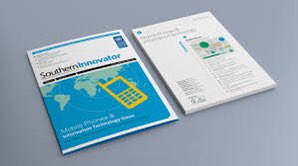
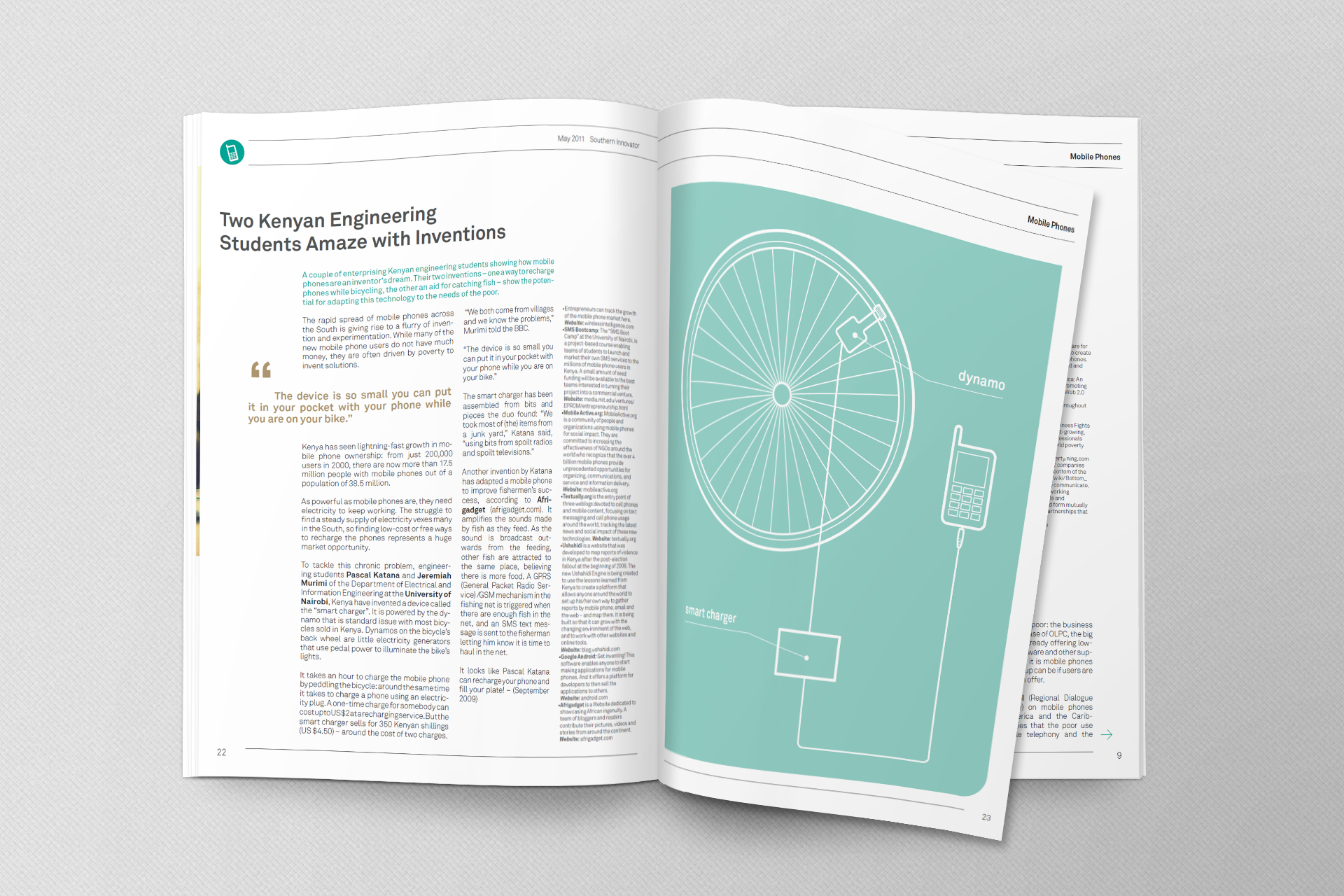
Development Challenges, South-South Solutions was launched as an e-newsletter in 2006 by UNDP’s South-South Cooperation Unit (now the United Nations Office for South-South Cooperation) based in New York, USA. It led on profiling the rise of the global South as an economic powerhouse and was one of the first regular publications to champion the global South’s innovators, entrepreneurs, and pioneers. It tracked the key trends that are now so profoundly reshaping how development is seen and done. This includes the rapid take-up of mobile phones and information technology in the global South (as profiled in the first issue of magazine Southern Innovator), the move to becoming a majority urban world, a growing global innovator culture, and the plethora of solutions being developed in the global South to tackle its problems and improve living conditions and boost human development. The success of the e-newsletter led to the launch of the magazine Southern Innovator.  

Follow @SouthSouth1

Google Books: https://books.google.co.uk/books?id=m5GYBgAAQBAJ&dq=development+challenges+may+2012&source=gbs_navlinks_s

Slideshare: http://www.slideshare.net/DavidSouth1/development-challengessouthsouthsolutionsmay2012issue

Southern Innovator Issue 1: https://books.google.co.uk/books?id=Q1O54YSE2BgC&dq=southern+innovator&source=gbs_navlinks_s

Southern Innovator Issue 2: https://books.google.co.uk/books?id=Ty0N969dcssC&dq=southern+innovator&source=gbs_navlinks_s

Southern Innovator Issue 3: https://books.google.co.uk/books?id=AQNt4YmhZagC&dq=southern+innovator&source=gbs_navlinks_s

Southern Innovator Issue 4: https://books.google.co.uk/books?id=9T_n2tA7l4EC&dq=southern+innovator&source=gbs_navlinks_s

Southern Innovator Issue 5: https://books.google.co.uk/books?id=6ILdAgAAQBAJ&dq=southern+innovator&source=gbs_navlinks_s

China has been a member of the WTO (World Trade Organization) since 11 December 2001.
Creative Commons License

This work is licensed under a
Creative Commons Attribution-Noncommercial-No Derivative Works 3.0 License.

ORCID iD: https://orcid.org/0000-0001-5311-1052.

© David South Consulting 2023

Categories
Archive Development Challenges, South-South Solutions Newsletters Southern Innovator magazine

Computer ‘Gold Farming’ Turning Virtual Reality Into Real Profits

ByDavid South,Development Challenges, South-South Solutions

SOUTH-SOUTH CASE STUDY

The rapid spread of the internet around the global South is bringing with it new forms of work. One of these trends is so-called “gold farming”: making money in the virtual world of computer gaming by trading in virtual money, prizes and goods for busy gamers who don’t have time to do it themselves. This work now employs 400,000 people – mostly men and mostly in China, but also elsewhere in the South, according to new report.

Working out of internet centres where they can get access to high-speed or broadband internet connections, “gold farmers” use the global trade in virtual goods for online computer games in the same way stockbrokers trade shares on the world’s stock exchanges. The trade operates similarly to the stock market, with prices fluctuating based on demand and changing by the minute.

And as the report discovered, this trade is acting as a gateway into the world of information technology employment, where computer-literate young men are able to earn an income they could not have done otherwise.

It is a trade that can provide gold farmers with US $145 a month in income. They are often given free food and accommodation to do it, and many have few other economic choices.

“You can probably think of two models,” said the report’s author, Professor Richard Heeks of Manchester University’s Development Informatics Group. “They could play as an individual at a local cybercafe doing their own in-game farming and then selling to one of the trading sites (that buy from farmers at one price, then sell on to player-buyers at a higher price). Or they could be organized into a small/medium enterprise by an owner, all working together in a room full of computers.”

There is a dark side to gold farming too: there have been reports of youths forced to gold farm by gangs who make them work 12 hour days. Crime gangs sometimes become involved and scams proliferate.

Heeks says the downside is the result of governmental ignorance. “The main problem is a lack of understanding about ICT and ICT enterprise generally in some governments in developing countries and in particular a relative lack of understanding about the spread and implications of computer games.”

Supporters see gold farming as a flourishing Southern economy that is worth hundreds of millions of dollars, and exposes participants both to information technology skills and the wide horizons of the virtual computing world. Its defenders say it shows that those who dismiss the expansion of IT infrastructure as a waste of time are missing the emerging economic opportunities it is creating.

Heeks said we still know too little about this fast-evolving sector, but that “gold farming does seem to be providing income/livelihood for young men who would otherwise be unemployed. There are claims that it has helped mop up youths who had otherwise been involved in crime, but we don’t yet know how generalized such claims are.”

The number of players engaged in online gaming has grown by 80 percent per year, and Heeks sees the rise in gold farming as linked to a bigger trend: “in both North and South, we will spend increasing amounts of work and leisure time in cyberspace. Couple that with the growing penetration of ICTs into developing countries, including into poor communities, and there will be growing opportunities for this kind of ‘virtual outsourcing.’”

Currently, more than 300 million people worldwide have access to the internet through fast broadband connections (mostly in developed countries, although this is changing quickly), and more than 1.1 billion of the world’s estimated 6.6 billion people are online.

China is working hard to capture the economic power of the internet. The country’s economic boom has helped create an affluent urban middle class clamouring for the social aspects of internet access like chat rooms, while the government has been driving the roll-out of internet access in rural areas.

The country’s largest Cyber Park is under construction inWujin New and High-tech Development Zone of Changzhou. It will be a technology incubator, a research and development centre, and a place for small and medium-sized enterprises to innovate.

China’s most ambitious digital media industry development is the Beijing Cyber Recreation District (CRD), a collection of digital media academies and company incubators spread over 100 square kilometres, creating the world’s largest virtual world development. It is already home to more than 200 game and multimedia content producers in western Beijing.

And even in Africa, where broadband penetration rates are very poor, countries are now looking to the mobile phone companies to provide their populations with access to the internet, as they struggle to find a place at the digital table.

Mauritius, an island in the Indian Ocean strategically close to Africa and better known for tourism and luxury hotels, wants to become the world’s “cyber island”, and Africa’s e-gateway. Armed with the first 3G network in Africa (the third generation of mobile phone technology – offering high-speed internet access and video telephony), Mauritius is moving fast to make good on this advantage. And it is even moving to the next level of mobile-phone speed, High-speed Download Packet Access (HSDPA) – allowing even greater quantities of information to be exchanged.

Mauritius joins a select few countries, including Japan and South Korea, at the forefront of access to 3G. Wireless – or wi-fi – computer access is available in three-quarters of the island.

Published: September 2008

https://davidsouthconsulting.org/2022/11/21/asia/

https://davidsouthconsulting.org/2022/10/20/china-consumer-market-asian-perspective-helps/

https://davidsouthconsulting.org/2020/12/10/china-sets-sights-on-dominating-global-smartphone-market/

https://davidsouthconsulting.org/2020/12/11/cyber-cities-an-oasis-of-prosperity-in-the-south/

https://davidsouthconsulting.org/2021/01/26/designed-in-china-to-rival-made-in-china/

https://davidsouthconsulting.org/2022/10/04/popular-chinese-social-media-chase-new-markets/

https://davidsouthconsulting.org/2020/04/17/virtual-supermarket-shopping-takes-off-in-china/

Development Challenges, South-South Solutionswas launched as an e-newsletter in 2006 by UNDP’s South-South Cooperation Unit (now the United Nations Office for South-South Cooperation) based in New York, USA. It led on profiling the rise of the global South as an economic powerhouse and was one of the first regular publications to champion the global South’s innovators, entrepreneurs, and pioneers. It tracked the key trends that are now so profoundly reshaping how development is seen and done. This includes the rapid take-up of mobile phones and information technology in the global South (as profiled in the first issue of magazine Southern Innovator), the move to becoming a majority urban world, a growing global innovator culture, and the plethora of solutions being developed in the global South to tackle its problems and improve living conditions and boost human development. The success of the e-newsletter led to the launch of the magazine Southern Innovator.

Follow@SouthSouth1

Archive.org:https://archive.org/details/Httpwww.slideshare.netDavidSouth1development-challengessouthsouthsolutionsseptember2008issue

Slideshare:http://www.slideshare.net/DavidSouth1/development-challengessouthsouthsolutionsseptember2008issue

Southern Innovator Issue 1:https://books.google.co.uk/books?id=Q1O54YSE2BgC&dq=southern+innovator&source=gbs_navlinks_s

Southern InnovatorIssue 2: https://books.google.co.uk/books?id=Ty0N969dcssC&dq=southern+innovator&source=gbs_navlinks_s

Southern Innovator Issue 3:https://books.google.co.uk/books?id=AQNt4YmhZagC&dq=southern+innovator&source=gbs_navlinks_s

Southern Innovator Issue 4:https://books.google.co.uk/books?id=9T_n2tA7l4EC&dq=southern+innovator&source=gbs_navlinks_s

Southern Innovator Issue 5:https://books.google.co.uk/books?id=6ILdAgAAQBAJ&dq=southern+innovator&source=gbs_navlinks_s

Creative Commons License
This work is licensed under a
Creative Commons Attribution-Noncommercial-No Derivative Works 3.0 License.

ORCID iD:https://orcid.org/0000-0001-5311-1052.

© David South Consulting 2025