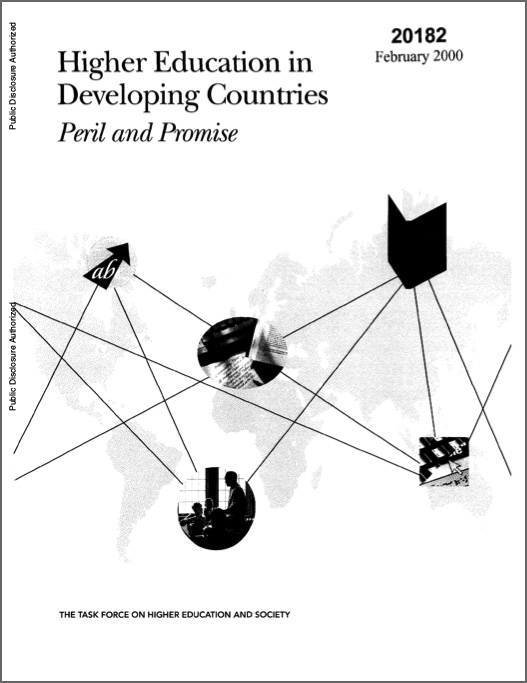
“This publication reports on 18 months of research, debate, and deliberation by the Task Force on Higher Education and Society, convened by the World Bank and UNESCO, to bring together experts from 13 countries to explore the future of higher education in developing nations.”
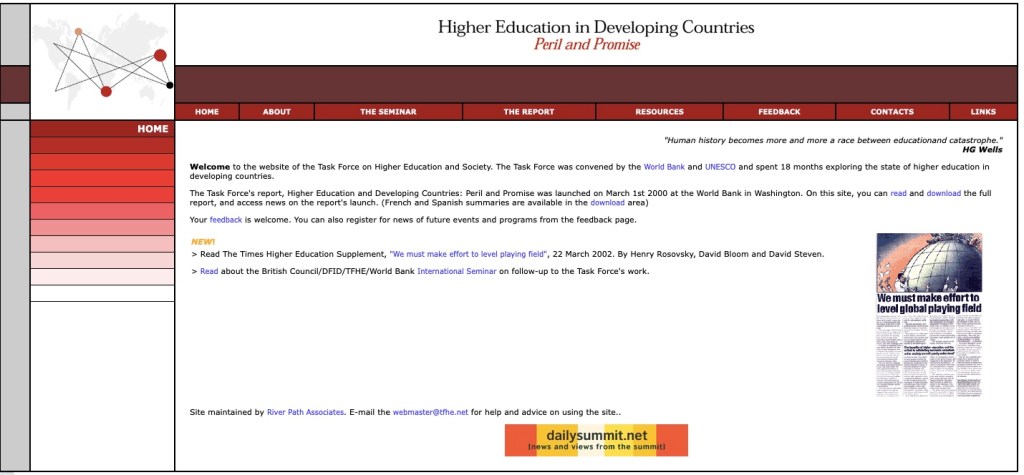
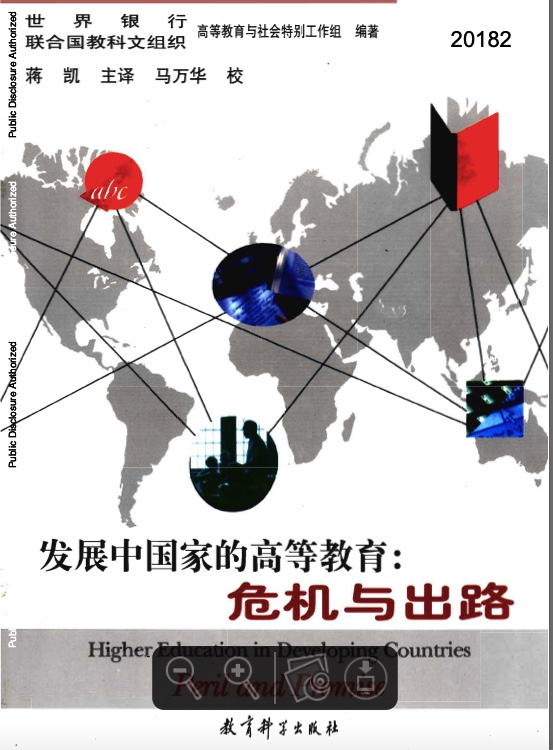
In 1999 I began work on the communications strategy as well as editing the expert contributions for the Task Force on Higher Education and Society’s report, Higher Education in Developing Countries: Peril and Promise (2000). The brief was to unpack the report and present its findings in a web-friendly format. At the time, it was still rare to see reports made user friendly for the world’s web audience. As a survey in 2014 discovered, a shocking third of the World Bank’s publications are never downloaded, 40 per cent were downloaded just 100 times, and only 13 per cent were downloaded more than 250 times in their lifetime (The Washington Post).
A small sample by theme of stories previously published in the UNOSSC (United Nations Office for South-South Cooperation) e-newsletter Development Challenges, South-South Solutions. It was published from 2006 to 2014.
Carbon Credits Can Benefit African Farmers Thanks to New System Development Challenges: The global carbon credit trading schemes emanating from the Kyoto Protocol are now creating a multi-billion dollar market – the European carbon market was worth €14.6 billion in 2006 – and represents one of the fastest growing business opportunities in the world. Being green has finally come of age. Yet all the benefits of this are largely bypassing Africa despite more than 70 percent of the continent’s inhabitants earning a living off the land.
Securing Land Rights for the Poor Now Reaping Rewards Development Challenges: The hotly debated issue of land rights for the poor has never been more relevant. There is mounting evidence that access to land rights can catapult the poor out of poverty and spur growth for the economy. Experience in India and China is now showing the economic power unleashed when the poor gain full legal rights over their land.
Trade to Benefit the Poor Up in 2006 and to Grow in 2007 Development Challenges:The global fair trade market – in which goods and services are traded under the Fairtrade logo, guaranteeing a minimum fair price to producers experienced unprecedented growth in 2006. In the UK alone, 2006 sales totalled £290 million – a jump of 46 percent from 2005. The Fairtrade Foundation predicts sales will reach UK £300 million in 2007.
Bio-ethanol From Sturdy and Once-Unwanted Indian Plant Development Challenges:With awareness of global warming at an all-time high – and governments seeking real-world solutions to solve this enormous problem – bioethanol fuel has risen up the agenda as a replacement for conventional fuel sources. At present, most bioethanol fuel is produced from either corn or sugar but a less known plant jatropha could be the real solution. Brazil has been a pioneer in producing bioethanol fuel from sugar, while the United States has focused on its substantial corn crop as a source, and both contribute more than half the world’s supply.
Afro Coffee: Blending Good Design and Coffee Development Challenges: The importance of good design and a strong brand in the success of a business cannot be emphasised enough. That extra effort and thought can take a business from local success to regional and even global success. As consultants KPMG make clear, “For many businesses, the strength of their brands is a key driver of profitability and cash flow “. Yet the majority of small businesses fail to think about their brand values or how design will improve their product or service.
Cooking up a Recipe to End Poverty Development Challenges: Like music, food has a powerful ability to jump across cultural and regional barriers and unite people in the sheer pleasure of the meal. Tapping the rich vein of regional culinary heritages is also a great way to make money. Promoting local recipes and foods has other benefits: as the global obesity (or globesity as WHO calls it) epidemic reaches into the urban areas of cities in the developing world, anything that pulls people away from fast food and high-fat foods is a good thing. Doctors have found home cooking keeps people thin and is better for them.
Dabbawallahs Use Web and Text to Make Lunch on Time Development Challenges:The developing world’s rapidly growing cities are bringing with them whole new ways of living and working. One rapidly expanding category of citizen is the office worker. A symbol of growing prosperity, the office worker also tends to be a time-poor person who often must commute large distances between home and workplace.
Putting Worms to Work Development Challenges: Overuse of pesticides is now acknowledged as one of the gravest mistakes of the Green Revolution, launched in the 1970s to dramatically increase food production in the developing world. Pesticides have polluted the environment, poisoned fertile soil, contaminated ground water and damaged human health.
Innovative Stoves to Help the PoorDevelopment Challenges: Half of the world’s population cook with a fuel-burning stove, and this figure rises to 80 per cent of households in rural areas in developing countries. Typical fuels burned include wood, coal, crop leftovers and animal dung. The indoor pollution from smoke and carbon monoxide is a top health hazard in the developing world, ranking just behind dirty water, poor sanitation and malnutrition. The World Health Organization (WHO) estimates that 1.6 million people die each year as a result of toxic indoor air.
Insects Can Help in a Food CrisisDevelopment Challenges: For many years it was a given that the world’s problem was not a lack of food, but that it was unfairly shared. But as the switch to biofuels gathers pace, farmland is being diverted away from growing food for people, to food for fuel. On top of this, growing prosperity in many countries in the South has boosted demand for better quality food, including grain-devouring meat diets – it takes 10 kilograms of grain to get one kilogram of meat from a cow. The crisis has deeply alarmed the UN’s World Food Programme and the World Bank. In the economic battle for food, the poor are the most vulnerable.
Agricultural Waste Generating ElectricityDevelopment Challenges: Agriculture around the world produces a great deal of waste as a by-product. It can be animal faeces, or the discarded plant husks thrown away when rice, grains or maize are harvested. When this waste meets the urgent need for electricity, something special can happen.
Connoisseur Chocolate from the South Gets a Higher PriceDevelopment Challenges: Like coffee beans, cocoa beans are grown around the world and are a major commodity, highly prized in wealthy countries. West Africa accounts for 70 percent of the world’s output, with the rest grown either in Indonesia and Brazil (20 percent), or on a smaller scale in countries across the South, from Belize to Madagascar.
Urban Farming to Tackle Global Food Crisis Development Challenges: The world’s population is becoming more urban by the day. By 2030, some five billion people around the world will live in cities. This year is the tipping point: urban dwellers (3.3 billion people) now outnumber rural residents for the first time (UNFPA’s State of the World Population 2007 Report).
Small-scale Farmers Can Fight Malaria BattleDevelopment Challenges: Malaria is one of Africa’s biggest killers. Each year globally 300 to 500 million people are infected, and around 1 million die from the disease (theglobalfund). Ninety percent of malaria deaths occur in sub-Saharan Africa – mostly to children under the age of five. The disease costs African countries US$12 billion a year in lost gross domestic product.
Milk Co-operatives Help Hungry Haiti Development Challenges: The global food crisis has hit the impoverished Caribbean country of Haiti especially hard. Already suffering from decades of food crises brought on by the collapse of domestic farming, the country has become notorious for its people being reduced to eating cakes made of mud to stave off hunger pains. It is the poorest country of Latin America and the Caribbean and one of the poorest in the world.
Urban Farmers Gain from Waste Water Development Challenges: The global food crisis continues to fuel food price inflation and send many into hunger and despair. Around the world, solutions are being sought to the urgent need for more food and cheaper food. U.N. Secretary General Ban Ki-moon has called for food production to increase 50 percent by 2030 just to meet rising demand – and right now there are 862 million people undernourished (FAO).
Farmers Weather Fertilizer Crisis by Going OrganicDevelopment Challenges: Around the world, large-scale agriculture relies on the use of chemical fertilizers. But increasing expense and decreasing supply of fertilizer is driving up the cost of food, and in turn contributing to the overall food crisis.
Picking Money from the Baobab TreeDevelopment Challenges: The fruit of the highly revered African baobab tree is being seen as a great new opportunity for the poor, after a recent decision by the European Commission to allow its importation. According to one study, gathering the fruit has the potential to earn an extra US $1 billion a year for Africa, and bring work and income to 2.5 million households, most of them African bush dwellers (Britain’s Natural Resources Institute).
Rats a Solution in Food Crisis Development Challenges: The global food crisis continues to fuel food price inflation and send many into hunger and despair. Around the world, solutions are being sought to the urgent need for more and cheaper food. Right now there are 862 million undernourished people around the world (FAO), and U.N. Secretary General Ban Ki-moon has called for food production to increase 50 percent by 2030 just to meet rising demand.
Model Indian Villages to Keep Rural Relevant Development Challenges:The world’s rush to urban centres is the great challenge of the 21st century. In 2007, the world became a majority urban place. The consequences of this shift can be seen in the blight of urban poverty, with its slums and squalor, environmental degradation, and rising social tensions. But there are people working on keeping rural areas relevant and pleasant places to live. These rural advocates see a vibrant countryside as part of the solution to the world’s plethora of crises.
Brazil Preserves Family Farms and Keeps Food Local and Healthy Development Challenges: Today’s global food crisis sparked by a toxic mix of events – high oil and commodity prices, food scarcity, growing populations, and environmental catastrophes – has woken many up to the urgent need to secure food supplies and help those who grow the world’s food. More and more countries are turning to local and small farms – or family farms – to offer food security when times get rough.
Afghanistan’s Juicy Solution to Drug TradeDevelopment Challenges:Afghanistan is the world’s largest source of the illegal drugs opium and heroin (International Narcotics Control Board), both of which are derived from the bright-red flower, the poppy (http://en.wikipedia.org/wiki/Poppy).The country produced 8,200 tons of heroin in 2007, up 34 percent from the previous year.The negative consequences of the flourishing drug trade are numerous: it is destabilizing Afghanistan’s neighbours and undermining political and legal institutions, addiction rates are soaring, and addicts are spreading HIV/AIDS.
Camel Ice Cream Delivering Desert Dessert Development Challenges: The global food crisis is forcing people around the world to think differently about how food is produced and what new products can boost the incomes of farmers. U.N. Secretary General Ban Ki-moon has called for food production to increase 50 percent by 2030 just to meet rising demand – and right now there are 862 million people worldwide who are undernourished (FAO). The world’s over 19.4 million camels (FAO, 2003) are now being tapped for their highly nutritious, healing and tasty milk.
Rainforest Gum Gets Global MarketDevelopment Challenges: Mexico is home to the second largest rainforest in the Americas after the Amazon jungle. But the country’s forests face serious threats from logging, cattle ranching and agriculture. As much as 80 percent of Mexico’s original forests have already been lost. A group of Mexican farmers is now using sophisticated product marketing to preserve their income, and the 1.3 million hectares of rainforest as well.
Cleaner Stoves To Reduce Global WarmingDevelopment Challenges: The use of polluting fuel-burning stoves by half the world’s population – including 80 percent of rural households – is a documented contributor to a host of health problems. Poor households not only have to contend with the ill health effects of dirty water and poor sanitation, the fumes from burning dung, wood, coal or crop leftovers lead to the deaths of more than 1.6 million people a year from breathing toxic indoor air (WHO).
SOS Shops Keep Food Affordable for Poor, UnemployedDevelopment Challenges: As the global downturn bears down on country after country, governments around the world are introducing austerity measures to try to keep their economies going. Many countries are now facing financial crisis and the need for loans and support from the International Monetary Fund (IMF). Formerly comfortable people are going from regular employment to unemployment or erratic employment, and growing numbers of people are finding it hard even to afford basics such as food.
Successful Fuel-Efficient Cookers Show the WayDevelopment Challenges: Kenyan entrepreneur has cooked up a fuel-efficient stove and oven that uses less of a precious national resource: wood from trees. Most African households using fuel-burning stoves either cannot afford clean-burning fuels like natural gas or electric stoves, or do not have access to them. They are stuck having to burn wood or other materials like animal dung – collectively called biomass – on open fires.
Southern Drink Challenges Corporate DominanceDevelopment Challenges: Across the global South, its thirsty people have long been a target market for Northern drinks companies. The ubiquity of the American soft drink Coca Cola, or even its rival Pepsi Cola, is testimony to that. Even the most remote village on the impoverished island of Haiti can offer an ice-cold Coke.
Protecting Threatened Fruits and Nuts in Central AsiaDevelopment Challenges: Between 94,000 and 144,000 plant species — a quarter to a half of the world’s total — could die out in the coming years, according to an estimate by Scientific American (2002). Among them are vital food crops, threatened by a world in which climate change is causing more weather turbulence and diseases and viruses can spread rapidly and destroy crops.
Avoiding Wasting Food and Human Potential with ICTsDevelopment Challenges: Creative use of information technology in the South is helping to address two very different kinds of waste – of food and of human and community potential.
Growing a Southern Brand to Global Success: The Olam StoryDevelopment Challenges: Most people haven’t heard of Olam International, but they know the brands they work for and they more than likely eat their produce. The story of Olam (www.olamonline.com) – a global food supply company in ‘agri-products’ that got its start in Nigeria – shows how a Southern brand can grow and go global, and overcome the difficulties of cross-border trade.
New Appetite for Nutritious Traditional VegetablesDevelopment Challenges: Throughout the history of farming, around 7,000 species of plants have been domesticated. Yet everyday diets only draw on 30 percent of these plants and even this number has been going down as more people consume mass-market foods (FAO).
Brewing Prosperity Creates Good JobsDevelopment Challenges: In the Democratic Republic of Congo – home to the world’s largest United Nations peacekeeping mission and decades of bloody civil war – a brewery has not only survived, it has thrived to become a popular brand throughout central Africa. By being a success, the Brasimba brewery has brought prosperity and high-quality jobs to Congo’s second largest city, Lubumbashi (http://en.wikipedia.org/wiki/Lubumbashi), and proven that a modern business can do well there despite the obstacles.
Cool Food for the PoorDevelopment Challenges: A whole wave of high-tech, innovative products are now being developed and marketed for the world’s poor. These products are designed to raise the quality of life of poor people and treat them as a market with real needs, rather than a mass of people to be ignored.
A Local Drink Beats Global CompetitionDevelopment Challenges: For many decades, strong American and multinational food brands have penetrated markets in the South. This is a global business success story for those companies, but the downside has been the marginalizing of local alternatives. This not only reduces wealth-creating opportunities for local entrepreneurs, but also leads to products like sugary soda pops (http://tinyurl.com/yzwal98) pushing aside healthier, local alternatives like tea.
The Battle for India’s Coffee Drinkers in Buzzing EconomyDevelopment Challenges: A showdown in India over coffee is creating new opportunities. It is also demonstrating how the country is changing, with rising incomes in some places and great disparities in others.
West African Chocolate Success StoryDevelopment Challenges: A Ghanaian chocolate company has become a big success in the United Kingdom and shown how it is possible to develop and market a high-quality product grown in West Africa. While the chocolate bars are manufactured in the Netherlands, the cooperative that owns the company initiated the push into producing a mass-market chocolate brand – and shares in the profits.
Açaí Berry Brazil’s Boon Development Challenges: A formerly obscure berry from the Amazon rainforest in Brazil has become a global marketing success. The açaí berry – a dark, small fruit similar in appearance to blueberries – has surged in popularity around the world and brought newfound prosperity to poor communities.
Woman Wants African Farming to be CoolDevelopment Challenges: Can farming be cool? Especially on a continent where it has long been associated with hardship and poverty, can agriculture be attractive to a young generation looking for big opportunities? A young woman in Nigeria thinks so and is on a mission to show farming is a great way to get ahead in modern Africa. And she hopes more people attracted to farming will boost the continent’s food security and reduce costly imports.
Kenyan Products a Global Success StoryDevelopment Challenges: The East African nation of Kenya has become synonymous with high-quality agricultural products, and offers lessons for other countries across the South. The country has been able to combine innovation in new technologies (it is a pioneer in mobile phone applications like m-banking), with quality control for its products like the Coffee Kenya Brand logo (http://www.coffeeboardkenya.org) and ease of access to information on Kenyan products and resources via the internet – crucial to drumming up international business – like the SME Toolkit Kenya (http://kenya.smetoolkit.org/kenya/en).
Rwandan Coffee Brand BoostDevelopment Challenges: A successful Rwandan company is using coffee shops to promote the nation’s high-quality coffee brands at home and abroad. Started by two Rwandan entrepreneurs three years ago, Bourbon Coffee (http://www.bourboncoffeeusa.com/) now has three shops in the country’s capital, Kigali, and a savvily positioned shop in Washington DC.
Brazil’s Agriculture Success Teaches South How to GrowDevelopment Challenges: Inflation, environmental stresses and population and economic growth are testing the world’s food supply systems. There is a strong need to boost yields and improve the quality of food. Between now and 2050 the world’s population will rise from 7 billion to 9 billion. Urban populations will probably double and incomes will rise. City dwellers tend to eat more meat and this will boost demand.
Palestinian Olive Oil’s Peaceful ProsperityDevelopment Challenges: The economic devastation of the conflict between Israel and the Palestinians (http://en.wikipedia.org/wiki/Palestine) has brought much hardship to the Palestinian people. The United Nations under the UNRWA mission has been working to lesson the hardship for over 60 years (http://www.unrwa.org). But there is only so much it can do.
South African Wine Industry Uncorks Opportunities Development Challenges: Wine-making is one of South Africa’s oldest industries and plays a key part in the country’s economy. And now both wine making and production are being transformed and creating new economic opportunities. Once seen only as the preserve of the country’s white minority population, wine is slowly becoming a black thing too.
Mongolian Enterprises Target Healthy Urban Lifestyles Development Challenges: In the Northeast Asian nation of Mongolia – landlocked between Russia and China – the traditional diet is based on the nomadic ways of its herders. Rich in meat and milk products, it is a diet that has evolved from the need to survive in a harsh climate doing hard physical labour – winter temperatures can drop below minus 50 degrees Celsius.
Food Diplomacy Next Front for South’s NationsDevelopment Challenges: The meal is a universal bonding ritual, a time for families or friends to socialize and catch up on the day’s activities. Food has the ability to transcend cultures and societies when humour, the arts, and diplomacy cannot. A person may know nothing about a particular country or culture, but they know what their appetite and palate likes.
Food Inflation: Ways to Fight ItDevelopment Challenges: Food inflation has taken off at the beginning of 2011. As the global economic crisis enters its next phase, both developed and developing countries are experiencing inflation. There are many factors fuelling the rise in prices – inefficient distribution and storage systems, lack of investment in agriculture, devaluing currencies, high demand, natural and man-made disasters, use of food products like corn to make biofuels – but there are also ways to counter the effects of food inflation that have been tried and tested across the South.
China’s Booming Wine Market Can Boost SouthDevelopment Challenges: A great South-South opportunity has emerged with the recent boom in wine drinking in China and the pursuit of quality tastes. Matching high-quality wine producers from the global South – including South Africa, Chile, Morocco, and Lebanon – with China’s thirsty wine drinkers could deliver a major income boost.
Indonesian Food Company Helps Itself by Making Farmers More Efficient Development Challenges: The current global economic crisis is taking place at the same time as a global food crisis. Food inflation took off at the beginning of 2011. This is having a devastating affect on countries dependent on food imports and experiencing decreasing domestic production capabilities. The least developed countries (LDCs) saw food imports rise from US $9 billion in 2002, to US $23 billion by 2008 (UNCTAD), prompting Supachai Panitchpakdi, secretary general of UNCTAD, to say “the import dependence has become quite devastating.”
Civet Cat Coffee Brews Filipino OpportunityDevelopment Challenges: In the Philippines, one animal’s call of nature has become a business opportunity.The civet cat, a member of the mongoose family, ingests the fruit of coffee plants, and expels the beans. This has created an unexpected by-product – a prized beverage for the world’s savvy coffee drinkers seeking the next taste sensation. The partially digested coffee beans are gathered from the faeces of the cat and used to make a much-coveted, smooth-flavoured cup of coffee.
Brazilian Restaurant Serves Amazonian TreatsDevelopment Challenges: The vast Amazon rainforest has inspired a cuisine pioneer in Brazil. Combining the sensual pleasures of fine dining and the joy of tasting new flavours with a pursuit of sustainable and profitable local farming, a chef is inventing a new Brazilian cuisine and showing the way to create sustainable incomes.
Pulque: Aztec Drink Ferments New EconomyDevelopment Challenges:Reviving traditional foods and drinks can be an income-boosting source of new economic activity. Many cultures can benefit from looking again at their rich traditions to find new ways to increase enterprise. This can be difficult at first. Big global brands have many initial advantages: they are backed by wealthy and experienced international companies and can deploy aggressive marketing and distribution power to get products into the hands of consumers. The power of Coca Cola to reach all corners of the earth is legendary.
Cheap Farming Kit Hopes to Help More Become FarmersDevelopment Challenges: Food security is key to economic growth and human development. A secure and affordable food supply means people can meet their nutrition needs and direct their resources to improving other aspects of their lives, such as housing, clothing, health services or education.
“Pocket-Friendly” Solution to Help Farmers Go OrganicDevelopment Challenges: Interest in organic food and farming is high, and organics have become a growing global industry. The worldwide market for organic food grew by more than 25 per cent between 2008 and 2011, to US $63 billion, according to pro-organic group the Soil Association. That is an impressive accomplishment given the backdrop of the global economic crisis, and evidence that people value quality food, even in tough times.
It could be said the world and the global order both stand at a crossroads. Countries have never been so connected as they are today because of the communications revolution that began in the 1990s. The trade linkages brought about by the most recent phase of globalization (post-1980s) have dramatically increased prosperity for some regions and countries, China being the most obvious example. But, as we are reminded on a daily basis, the environment is stressed, with species depletion and pollution being the most extreme signs of this stress. And war and civil strife are still with us.
In 2015, the United Nations launched the Sustainable Development Goals (SDGs), 15 years after it had launched the Millennium Development Goals (MDGs) in 2000. Both sets of goals attempt to benchmark progress on improvements to human well-being and to give countries and the international community a road-map to what is most important. The eight MDGs have been followed up with 17 SDGs (and many views on how effective such a strategy really is). It seemed as good a time as ever to reflect on what role I have played in this period, as well as to look forward to what will happen over the next 12 years (2030).
The Quotes
“The United Nations is designed to make possible lasting freedom and independence for all its members.”
“We must build a new world – a far better world – one in which the eternal dignity of man is respected.”
US President Harry S. Truman
“It has been said that the United Nations was not created in order to bring us to heaven, but in order to save us from hell.”
UN Secretary-General Dag Hammarskjold at University of California Convocation, 13 May 1954.
“Today continuing poverty and distress are a deeper and more important cause of international tensions, of the conditions that can produce war, than previously.”
“The stark and inescapable fact is that today we cannot defend our society by war since total war is total destruction, and if war is used as an instrument of policy, eventually we will have total war.”
“The grim fact is that we prepare for war like precocious giants, and for peace like retarded pygmies.”
Canadian Prime Minister Lester B. Pearson
“A shift is necessary toward lifestyles less geared to environmentally-damaging consumption patterns.”
“We may get to the point where the only way of saving the world will be for industrial civilization to collapse.”
Maurice F. Strong, Former Under-Secretary General of the United Nations; Founder of the United Nations Environment Programme (UNEP)
From its founding, the United Nations was constructed around the highest human aspirations after two devastating World Wars, while also drawing fire from its critics and skeptics (American architect Frank Lloyd Wright being one of the more biting).
In January 1949, US President Harry Truman set forth a challenge for the remainder of the 20th Century. The wealthy nations must aid the poorer ones to become wealthier and more democratic: in short, to become like the United States (Starke 2001: 143). The means of accomplishing this was to be international development, and its tool, foreign aid.
Development as defined by President Truman at the start of the first international development period of the 20th century meant “nothing less than freeing a people from want, war, and tyranny, a definition it is hard to improve on even today (Starke 2000: 153).”
I grew up in the Canada of the 1970s and 1980s. For most of that time, the charismatic and internationally-minded Liberal Prime Minister Pierre Trudeau was in power. Canada’s profile and role in the United Nations and international development was high at this time, in particular in ‘peacekeeping’ missions.
Peacekeeping holds a special place for Canadians. An innovative initiative from then-Ambassador to the United Nations and later Prime Minister Lester B. Pearson in the 1950s (he received the Nobel Peace Prize for it), Canada has since had a long history with peacekeeping missions.
When I served with the Canadian Armed Forces Reserve in the early 1980s, we trained not only for war with our Cold War foe the Soviet Union, but also for peacekeeping missions. In fact I nearly went on one if not for my acceptance to study at the University of Toronto in 1985. Otherwise, I would have been off on a peacekeeping mission that year.
This phase of international development and the United Nations was framed by the Cold War and its tensions and limits: the world divided between opposing ideologies and economic systems and travel between these two worlds (Communism versus free markets and democracy) was severely restricted.
And when I graduated in 1989 from the University of Toronto, all this fell apart very quickly. The First Phase of International Development had come to a swift end.
The Second Development Phase
In 1997, I was hired to head the communications office for the UN/UNDP Mongolia mission. It was a pivotal time in international development. With the forces of ‘globalization’ unleashed (and China’s rapid rise already well underway), the UN was clearly also in a period of great change and stress. The collapse of the Soviet Union in 1991 and its trading system (Comecon), pitched former Communist countries into severe crisis. Comecon locked-in Soviet Union satellite allied nations (including Mongolia) into a reciprocal arrangement of trade links and subsidies. The Mongolia I arrived in in 1997 was a country in turmoil. Poverty was widespread, food was difficult to get, unemployment was very high, families were falling apart under the stress of the crisis, and people’s health was poor, with very high rates of alcoholism and STDs.
This second phase of international development can be characterized by the international response to the collapse of the Soviet Union and the adjustment to the rapid changes brought about by the forces of globalization. The communications revolution was getting underway at this time as the Internet began to arrive, even in Mongolia, which had been cut-off from full relations with the Western world during the period of Communism. Mobile (cell) phones were around but still a luxury item used by wealthy businessmen or senior government officials. International aid and development was primarily in the domain of large international institutions and bilateral donors.
UN/UNDP Mongolia played an important role in helping to stabilize Mongolia during the late 1990s and to put in place the foundations for recovery from crisis (called “one of the biggest peacetime economic collapses ever” at the time). Mongolia eventually, briefly, became the fastest growing economy in the world by the second decade of the 21st century.
In the 1990s, the UN was being challenged to think and do things differently and to respond to the communications revolution. This presented a great opportunity to use the Internet and computing to communicate in new ways; to innovate and experiment. Despite its crisis, Mongolia was able to embrace these new ways and was called a “role model” for the wider United Nations by 1999 (the end of my assignment in Mongolia).
United Nations identity card circa 1997.UN head of communications for Mongolia, David South (seated front row centre), 1997-1999.As the UN’s head of communications in Mongolia (1997-1999), I founded the UNDP Mongolia Communications Office and oversaw a two-year communications programme to respond to the biggest post-WWII peacetime economic collapse. Award-winning and influential, the Office pioneered the use of the Internet in international development crisis response and was called a “role model” for the rest of the United Nations.
The Third Development Phase
With the adoption of the Millennium Development Goals (MDGs) in 2000, it could be argued, a third development phase had begun. The turn of the century was also during the so-called ‘Dotcom Bubble’ when investment in the Internet economy was peaking, and China was on the cusp of being accepted into the WTO (World Trade Organization) and getting set for another period of rapid expansion and growth. Both phenomenon were fueling greater trade and connectivity, especially between the countries of the so-called “global South”.
The report we prepared, Mongolia’s Follow-Up to the UN Global Conferences, helped inform what became the Millennium Development Goals (MDGs) (launched in 2000). The e-newsletter Development Challenges, South-South Solutions (published from 2006 to 2014) and the magazine Southern Innovator (published from 2011 to 2015) both informed the debates that led to the Sustainable Development Goals (SDGs), launched in 2015. The report was used as a resource by the UN-funded OneWorld Youth Conference in 1999. As UN Secretary-General Kofi Annan said in a press release on 11 June 1999, “‘Never Should Young- People Have To Be Protected from Government’, Kofi Annan Adds in Message to Final UN OneWorld Youth Conference, in Mongolia.” The report was cited in Women in Mongolia: Mapping Progress under Transition (United Nations Development Fund for Women, 304 East 45th Street, New York, NY 10017, USA).
The MDGs were an attempt to guide and focus development at the international and national level by setting forth eight goals as a challenge. But, just as these internationally agreed goals were being rolled out, something was quietly happening away from New York. In China, it was clear the country had done something truly remarkable: following its own development goals and plans, China lifted the largest number of people in human history out of poverty in the shortest space of time. Those who are students of history will know how stunning an accomplishment this is: China was once a country held up as a poster child for poverty, political instability, frequent famines, human misery and global isolation. China had been the country featured in the charity and famine appeals pleading for relief and aid, just as the countries in Africa and Southeast Asia were to become.
China’s growing export power was also powering globalization. And liberalized trade was powering growth for many countries in Asia and Latin America. This increasing export trade and global connectivity was creating new wealth for many countries and growing the middle classes of the so-called ‘global South’. At the same time, the Internet revolution was being joined by the mobile technologies revolution. These communications tools were making it possible to connect with people who had been frozen out of global markets, while simultaneously creating whole new digital economies employing people and creating new wealth.
Beginning in late 2006 after working around the world in various UN missions on assignments related to the MDGs, I began an exciting new opportunity with the then-Special Unit for South-South Cooperation (SSC) (now the United Nations Office for South-South Cooperation – UNOSSC).
From 9-11 December 2017, I participated in the Workshop on Innovations in Service Delivery: The Scope for South-South and Triangular Cooperation held in Dhaka, Bangladesh. Hosted by the a2i (access to information) division of the Bangladesh Prime Minister’s Office, the implementing unit for Digital Bangladesh, it was convened by the Government of Bangladesh and the United Nations Office for South-South Cooperation (UNOSSC). Senior Partner David South is third from the left on the panel. Photo: Yoko Shimura
21 Years of Creating International Change | 1997 – 2018
1999: Publish many books on Mongolia’s development, includingIn Their Own Words: Selected Writings by Journalists on Mongolia, 1997-1999 (ISBN 99929-5-043-9) and the Mongolian rock and pop book (ISBN 99929-5-018-8). Whilst working for a UK-based international development consultancy, I prepared papers for the American Foundation for AIDS Research, the Global Fund to Fight AIDS, Tuberculosis and Malaria, the Harvard Institute for International Development (HIID), for various UN agencies including UNCTAD and UNAIDS, and coordinated the preparation of the report and launch strategy for the World Bank’s Task Force on Higher Education.
Following on from the success of the UNDP Mongolia Communications Office, I worked with the head of the UN Ukraine mission to strategically relaunch the mission web portal, incorporating the newly launched UN Millennium Development Goals (MDGs).
2001: Begin work on the development of the award-winning GOSH Child Health Portal for the National Health Service (NHS). As part of the NHS’ Modernisation Plan, it was called a “role model” for the NHS and one of the “three most admired websites in the UK public and voluntary sectors,” and was developed and launched under heavy public and media scrutiny. Each stage of the Portal’s development would coincide with a high-profile media launch. For example, the Hospital’s 150th birthday celebrations included Her Majesty Queen Elizabeth II and pop star Madonna.
2002/2003: Win the Childnet Award in 2003 for the Children First website.
2004:South Africa. Work at the University of Pretoria for UN South Africa on a digital communications and marketing strategy for a youth volunteer organization.
2005: Turkmenistan and Mongolia.Work for UN missions on an MDGs communications strategy and on the country programme review.
2006:Turkmenistan. Work for UNICEF. Begin working for the Special Unit for South-South Cooperation (SSC) in New York.
Reader response experiment begins with crowd-powered news website NowPublic. Initial proposal for the development of book or magazine on innovation. Awarded grant for Cuba study tour by BSHF.
Adjust e-newsletter content based on reader responses. Begin posting content on Twitter platform.
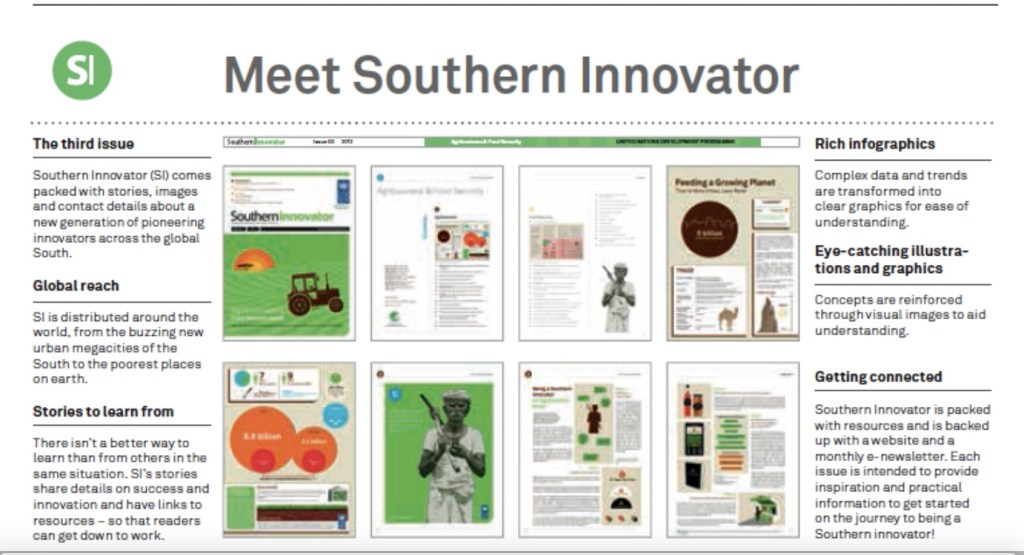
2010: Begin development of the new global magazine Southern Innovator with the UN’s Special Unit for South-South Cooperation (SSC) and a design team in Iceland led by Solveig Rolfsdottir. The magazine was produced to the UN’s design standards, as well as abiding by the UN’s Global Compact. With production in Iceland, the magazine could be designed and laid out using 100 percent renewable energy sources.
Develop and launch the new branding for David South Consulting and its website, davidsouthconsulting.com, all designed by one of Iceland’s top graphic designers and illustrators, Solveig Rolfsdottir.
It is called “a terrific tour de force of what is interesting, cutting edge and relevant in the global mobile/ICT space…”. Launch www.southerninnovator.org website (now www.southerninnovator.com) and social media including Twitter account @SouthSouth1.
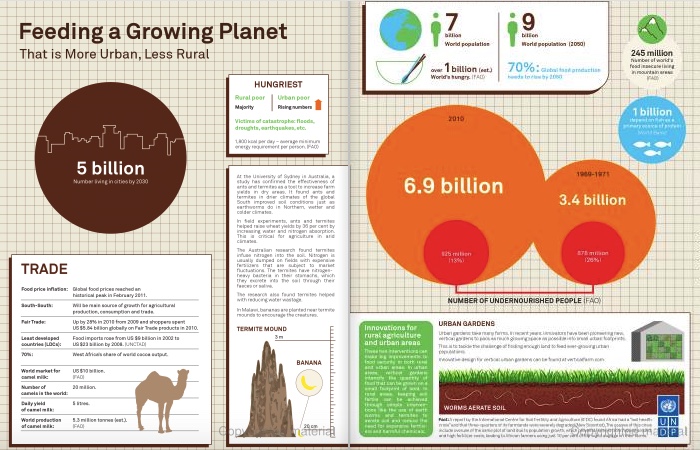
To avoid censorship and interference, Southern Innovator‘s editorial operations were based in London, UK and its design studio was based in Reykjavik, Iceland (a high-ranking country in the World Press Freedom rankings and a former top place holder in the UNDP Human Development Index). Using a women-led design studio, it developed a design vision that could communicate across borders using clear graphic design and high-quality images. For example, when it launched in 2011, infographics were rare in development publications and at the UN; now they are commonplace. It also tried to be as ‘green’ as possible. The studio was powered on 100 per cent renewable energy (in particular, geothermal energy); the hard copy of the magazine is printed on paper from renewable forests.
Called a “Beautiful, inspiring magazine from UNDP on South-South innovation.”
With 201 Development Challenges, South-South Solutions stories posted on the NowPublic platform, a total of 336,289 views by 2012 had occurred, according to the NowPublic counter.
Called “fantastic, great content and a beautiful design!” and “Always inspiring.”.
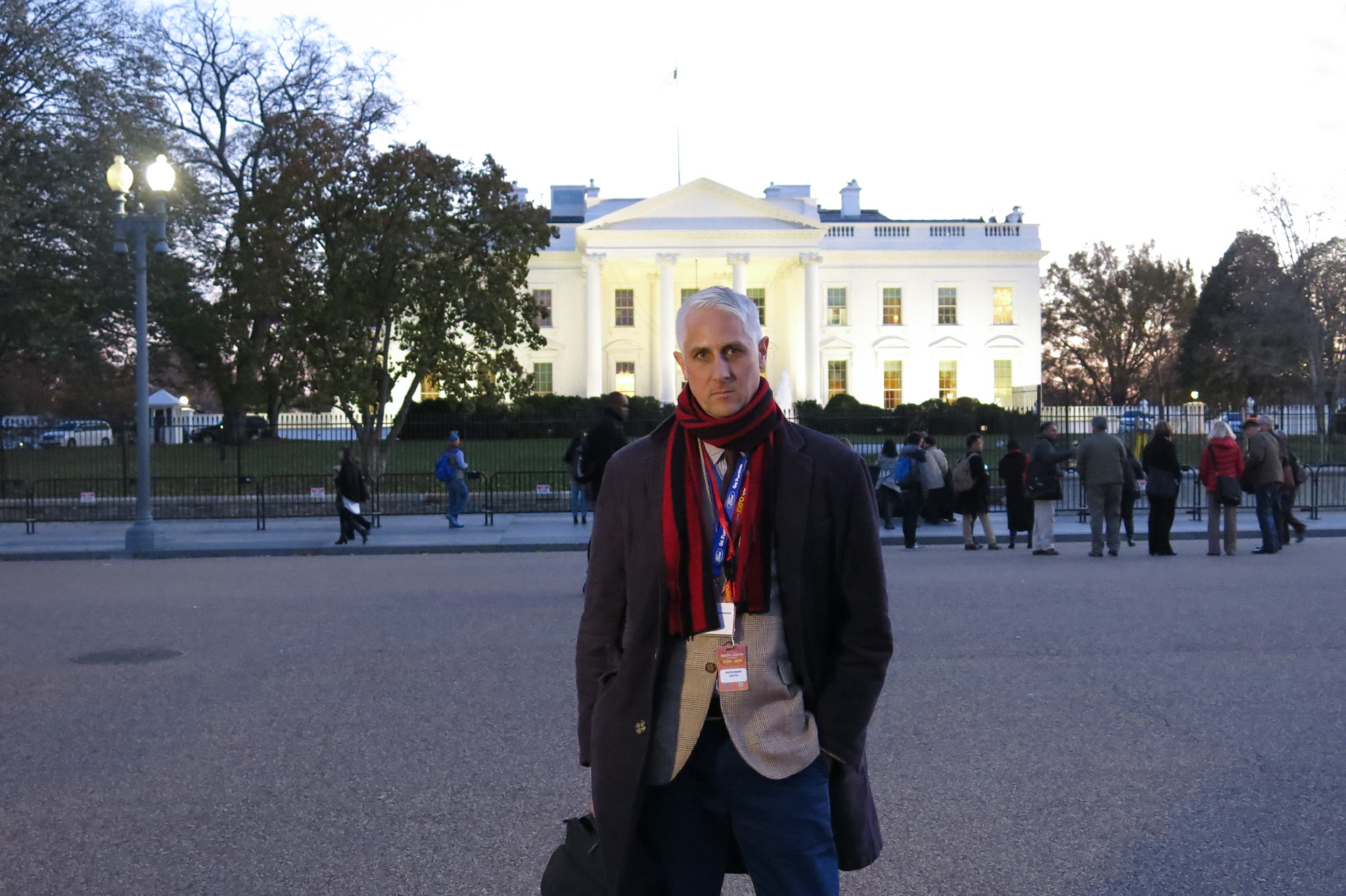
2014: Launch fifth issue of Southern Innovator Magazine at the GSSD Expo in Washington, D.C. U.S.A. The Twitter account @SouthSouth1 called “ one of the best sources out there for news and info on #solutions to #SouthSouth challenges.” Final issues of e-newsletter Development Challenges, South-South Solutions published.
The two publications proved influential on a number of fronts, being early to draw attention to the following: the rising use of mobile phones and information technology in development, the world becoming an urban place, innovative food solutions including the nascent insect food sector (now a big thing), altering perspectives on what is possible in Africa, the use of data science to innovate development, and tracking the growing number of technology hubs and the fast-growing start-up culture in the global South. The publications were cited for shaping the new strategic direction adopted by the United Nations Development Programme (UNDP) (the UN’s leading development organisation) and its first youth strategy, and the development of the Sustainable Development Goals (SDGs). As the world’s first global innovator magazine, Southern Innovator’s design had to be appropriate for a diverse audience. It has drawn praise for being both “beautiful” and “inspiring”, while its use of sharp, modern graphic design and infographics inspired others in the UN to up their game when it comes to design.
2015: Develop scale-up plan for Southern Innovator Magazine.
South-South cooperation and innovation have now become the key methodology for the UN’s delivery of its programmes and projects. In 2015, China pledged US $2 billion to “support South-South cooperation” and called for the international community to “deepen South-South and tripartite cooperation”. In development parlance, they have been “Mainstreaming South-South and Triangular Cooperation” in their plans.
The current policy vogue for innovation in developing and developed countries can trace its roots back to some of the early work done by these two publications (and which was further amplified by the annual Global South-South Development Expo (GSSD Expo), which often would feature innovators from the two publications, spreading the innovation message around the world). Both publications had set out to inspire and “champion a global 21st century innovator culture”. And they have done this, as can be seen from concrete evidence and anecdotal responses from individuals and organizations alike.
UNDP (the United Nations Development Programme) had the following to say about the UNOSSC’s senior management up to 2015 under the Directorship of United Nations Envoy for South-South Cooperation, Yiping Zhou, calling it “unsatisfactory”:
“The United Nations Office for South-South Cooperation (UNOSSC) is an independent entity created by the General Assembly in 1974, General Assembly resolution 3251(XXIX), to support cooperation among developing countries.
UNOSSC receives its mandate and policy framework from General Assembly decisions and resolutions. UNOSSC also serves as the Secretariat of the High-level Committee (HLC) on South-South Cooperation, a subsidiary body of the General Assembly.
UNOSSC is hosted by UNDP and, as is the case with similar entities, is expected to follow UNDP rules and regulations, including those pertaining to financial and HR management. UNOSSC is likewise subject to UNDP’s oversight and due diligence instruments.
The Audit makes 16 recommendations with the objective of improving UNOSSC’s effectiveness in the areas of: governance; programme and project activities; and operations.” Excerpt from Statement (5 May 2016)
The retirement in 2016 of Southern Innovator‘s Editor-in-Chief, Cosmas Gitta, meant the magazine lost its strongest advocate within the UNOSSC and thus was not included in the next budget post-audits.
The US investigations by the F.B.I. (Federal Bureau of Investigation) leading to arrests and subsequent court trials from 2015 onwards, were joined by Australian authorities in 2018. These revelations and confessions paint a picture of a high-level, multinational criminal conspiracy to launder money and pay bribes at the United Nations that also included the collusion and aid of various senior UN officials at the time. Not only do these revelations offer new context to Southern Innovator‘s attempts to gain future support from the UNOSSC, they explain why Southern Innovator faced extensive obstruction, deception and unethical and unprofessional behaviour during this time, despite the documented success of the magazine and its associated e-newsletter to reach and inspire readers, while shaping UN strategic policy on innovation (Strategic framework of the United Nations Office for South-South Cooperatio, 2014-2017).
“The e-newsletter Development Challenges, South-South Solutions proved to be a timely and prescient resource on the fast-changing global South, tracking the rise of an innovator culture driven by the rapid adoption of mobile phones and information technology …
“In 2010, work began on the development of the world’s first magazine dedicated to the 21st-century innovator culture of the global South. My goal was to create a magazine that would reach across countries and cultures, meet the UN’s standards, and inspire action. Southern Innovator was the result. Mr. [David] South played a vital role in the magazine’s development from its early conception, through its various design prototypes, to its final global launch and distribution.
“Both the e-newsletter and magazine raised the profile of South-South cooperation and have been cited by readers for inspiring innovators, academics, policy makers and development practitioners in the United Nations and beyond.
“I highly recommend Mr. [David] South as a thoughtful, insightful, analytical, creative and very amicable person who has the unique ability to not only grasp complex problems but also to formulate a vision and strategy that gets things done. … ” Cosmas Gitta, Former Assistant Director, Policy and United Nations Affairs at United Nations Office for South-South Cooperation (UNOSSC) in UNDP
“I think you [David South] and the designer [Solveig Rolfsdottir] do great work and I enjoy Southern Innovator very much!” Ines Tofalo, Programme Specialist, United Nations Office for South-South Cooperation (UNOSSC)
Finding ways to increase agricultural productivity is key to expanding food supplies and making farming pay. With the world’s population continuing to rise and becoming more urban, there is a pressing need to improve both the quantity and quality of food supplies.
The many small-scale farmers across the global South – and their high levels of poverty – demonstrates the urgent need to change the way farming is done.
Based on Food and Agricultural Organization (FAO) census data, it has been estimated that some 525 million farms exist worldwide, providing a livelihood for about 40 per cent of the world’s population. Nearly 90 per cent of these are small farms with less than 2 hectares of land (Nagayets, 2005). Average farm sizes around the world run from 1.6 hectares in Africa to 121 hectares in North America.
Small farms occupy about 60 per cent of the arable land worldwide and contribute substantially to global farm production. In Africa, 90 per cent of agricultural production is derived from small farms (Spencer, 2002).
One social enterprise is pioneering the development and selling of innovative farming tools for these small-scale farmers to increase their efficiency and make their lives better and more profitable. The MoneyMaker Hip Pump is a lightweight irrigation tool designed to be used by anyone, but aimed especially at women farmers. It helps to increase the amount of water that can be pumped into a field during the dry season. To date, the makers of the pump, Kickstart (kickstart.org), claim to have sold 190,000 pumps. It can irrigate up to 0.40 hectare of land.
Kickstart, which calls itself a non-profit promoting technology and entrepreneurism in Africa, develops and markets simple agricultural tools for Africa’s rural poor so they can improve their businesses. The company estimates it has helped 600,000 people since it was founded in 1991.
The MoneyMaker Hip Pump was launched in stores in 2006 and received a sales and marketing push in 2008. It sells for US $30 and weighs 4.5 kilograms. Kickstart says the pump’s most effective attribute is its simple pivot hinge. This pivot hinge allows the user to combine their body weight and strength from their legs with sheer momentum to power the pump rather than straining upper back and shoulder muscles – something that is very hard on farmers’ bodies and leads to repetitive strain injuries that shorten a farmer’s effective working life.
The pump can pull water from 7 metres and push water up a field for 14 metres.
Kickstart says that by early 2012, it had sold 32,037 pumps.
Reporting in a paper for the World Bank, Vincent Nnamdi Ozowa found smallscale farmers needed five things that will make a big difference to their productivity: better access to information on new methods, scientific advances and timely market updates; better education and improved literacy rates;access to credit; better marketing; and better technology that minimizes drudgery and improves efficiency.
In 2011, Worldwatch Institute’s State of the World report found small-scale agriculture could be key to tackling world hunger and poverty. It urged a move away from industrial agriculture and towards small-scale farming in sub-Saharan Africa, believing it could make big gains by being more efficient and reducing waste.
Kickstart has found communities are receptive to the idea of using the pumps and building agro businesses.
“These are people who are already entrepreneurs, so it is not like we are sensitizing them; they are people who are trying to find ways to make money,” Kickstart Tanzania’s Anne Atieno Otieno told AllAfrica.com.
“When we meet them in the communities we talk to them about the value of irrigation versus relying on rainfall. Most of them are used to having to wait for the rain. At the time we were working with the Super MoneyMaker pump, which is a bigger, more expensive pump. They asked if we could make a low entry pump, which we passed on to our tech deputy and that is how we came up with the MoneyMaker Hip Pump.”
It is part of a range of products Kickstart makes to aid small farmers become more productive (kickstart.org/products).
KickStart believes that self-motivated private entrepreneurs managing smallscale enterprises can play a dynamic role in the economies of developing countries.
These entrepreneurs can raise small amounts of capital (US $100 to US $1,000) to start a new enterprise. KickStart then helps them to identify viable business opportunities and access the technologies required to launch the new enterprises.
Kickstart also uses something called a Mobile Layaway service to make it easier for farmers to afford a pump. This service lets farmers pay off the cost of the pump in small instalments by mobile phone. The farmer can choose how large or small the instalment is according to their means.
“Speaking to the women, and going out into the field and speaking with farmers, we identified a major obstacle – purchasing power, the ability to buy the pump. In Africa, in the field, the pump is a capital item,” Otieno said.
“They really have to organize themselves to be able to save for it. And so when we were speaking to the farmers, many were asking us, ‘Can you come up with a credit facility?’ or some system whereby they could purchase the pumps, because many of them wanted the pump but they were not able to afford it.
“The program works through a mobile phone service, MPesa (http://www.safaricom.co.ke/index.php?id=250) … so the farmers are able to save money, and send money through that program.”
Kickstart recently received an award from the US State Department and the Rockefeller Foundation for “transforming agriculture for women by harnessing technology and spurring entrepreneurship.”
2) The New Harvest, Agricultural Innovation in Africa by Calestous Juma. The book outlines strategies for making Africa self-sufficient and argues Africa is
Development Challenges, South-South Solutions was launched as an e-newsletter in 2006 by UNDP’s South-South Cooperation Unit (now the United Nations Office for South-South Cooperation) based in New York, USA. It led on profiling the rise of the global South as an economic powerhouse and was one of the first regular publications to champion the global South’s innovators, entrepreneurs, and pioneers. It tracked the key trends that are now so profoundly reshaping how development is seen and done. This includes the rapid take-up of mobile phones and information technology in the global South (as profiled in the first issue of magazine Southern Innovator), the move to becoming a majority urban world, a growing global innovator culture, and the plethora of solutions being developed in the global South to tackle its problems and improve living conditions and boost human development. The success of the e-newsletter led to the launch of the magazine Southern Innovator.
















 David South Consulting
You must be logged in to post a comment.