Tag: Canada

  • Session 2: Social Policy: Country and Regional Perspectives

    Session 2: Social Policy: Country and Regional Perspectives

    A Report from the UN Conference on the Social and Political Dimensions of the Global Crisis: Implications for Developing Countries (12-13 November 2009)

    Organised by the United Nations Research Institute for Social Development (UNRISD), Geneva, Switzerland. Held at the Palais des Nations.

    Just as now (2021) 2009 was a year in which the questions revolved around receiving a vaccine (for H1N1) and how best to affirm a person’s identity and citizenship.

    Session 2: Social Policy: Country and Regional Perspectives

    China’s role in the crisis and the recovery was tackled by UNRISD’s director, Dr. Sarah Cook. China has travelled a long way from 30 years ago, when it was poor and isolated. Twenty years ago it faced severe internal crisis, but by the Asian economic crisis in 1997 it was economically dynamic enough to help pull the rest of Asia out of the crisis. Cook noted China now sits at the cusp of becoming a global leader and this poses the question: Can China save the global financial system?

    The country was able to draw on its substantial cash reserves to launch a large fiscal stimulus of 4 trillion Yuan (US $600 bn). This has meant most of the current growth in China is being generated by the stimulus. And the main driving factor behind government policy is social stability, with the state and bureaucracy playing key roles in setting priorities.

    Thailand in 1997 was compared with India today by Govind Kelkar, from the Institute for Human Development. India saw a big fall in domestic demand, and lost confidence in short-term growth. There has been a 30 percent growth in women in low-pay occupations, while skilled workers have lost jobs, and temporary workers at construction sites have all but disappeared. Even India’s prosperity darling, information technology, has experienced a slowing in growth. Many IT workers had their pay cut 50 percent and were seconded to NGOs to keep them busy.

    Women and children are entering the workforce to help families survive. And more people are working longer hours for less pay.

    The Indian Government has been able to offer help to the rural, agricultural sector through fertiliser and food subsidies. The NREGA (http://nrega.nic.in/) (National Rural Employment Guarantee Act) is reaching 50 million households. However, mostly men have benefited because the work on offer is skilled work.

    The Indian stimulus for rural areas is a direct result of the rural poor vote being a large lobby in the world’s biggest democracy. And while the rapid growth of the past decade has helped the urban upper class, the government is being forced back into inclusive growth because of the pressure of politics. This contrasts with Thailand in 1997, where many women went into sex work, and the government targeted its stimulus at the urban market because the rural vote was not powerful.

    Shiree (http://www.shiree.org/), Bangladesh, an NGO supporting the Government of Bangladesh to achieve the Millennium Development Goal targets on income poverty and hunger, called for a portion of the bank bailouts to go to the poor.

    It reported Bangladesh was unprepared for the crisis and has not responded well. Interestingly, Shiree believes any organisation targeting the extreme poor should be obligated to graduate them from poverty within three years and to keep them out of extreme poverty for at least three to five years.

    Another country that has been caught out by the global economic crisis is Senegal. Elizabeth Paul from the University of Liege and Ousmane Faye from African Population and Health Research Center (APHRC), pointed out subsidies for fuel and food hurt the public finances but didn’t help the poor. Within Senegal, 44 percent of people believe poverty in households has grown. While at first Senegal didn’t think it would be affected, the consequences of the downturn have been many: tourism is down, foreign direct investment (FDI) is down, exports are down 13 percent, there is a reduction in aid flows, and overall government revenue is down.

    Senegal is a member of the West African Economic and Monetary Union (http://www.uemoa.int/index.htm) and found its hands tied when it came to how it could respond because it must stick to the terms of the Union. Overall, the researchers observed, the government has not reflected on the crisis and just focused on the public finances, with no special measures for the crisis.

    Funding pensions is a hot topic all around the world. While the legacy of well-funded public pensions in developed countries after the Second World War had become much-admired, recent years have shown these funds to be inadequately funded to meet need. This has led to many governments seeing a solution in privatising public pension funds. But the cases of Argentina and Nigeria – both inspired by the experience of Chile – offers lessons in what not to do.

    Camila Arza, Latin American School of Social Sciences  (FLACSO) Argentina (http://www.flacso.org.ar/), explained how much of the new money was absorbed by administration costs, rather than expanding the fund. It also failed to keep up with the expansion of informal employment and extending coverage to these workers.

    The experience of the Nigerian pension system was presented by Bernard H Casey, of the University of Warwick. Inspired by reforms in Chile (unfortunately just around the time Chile was abandoning those reforms), the Nigerian pension scheme only covered 10 percent of the workforce, comprising some of the public sector and large private sector firms. Yet most employment in Nigeria is informal and outside the pension system.

    The new fund had such high administration fees, around 40 percent of what is saved over a lifetime was eaten up by the fees. Worse, the fund invested in the highly volatile stock market and earned returns that were 5 percent below the inflation rate: a loss of 60 percent during the lifetime of the pension.

    Casey concluded it is a mistake to use pension reform to spur economic development; economic development should instead create well-funded pensions. This sort of massive mismanagement of government programmes has the effect of generating significant public cynicism in the government’s ability to run social programmes.

    A Report from the UN Conference on the Social and Political Dimensions of the Global Crisis: Implications for Developing Countries (12-13 November 2009)

    Session 2: Social Policy: Country and Regional Perspectives

    Session 3: Social Policy: Global Perspective

    Session 4: Political Economy Dimensions of Crisis

    Relevant stories previously covered in Development Challenges, South-South Solutions:

    Accessing Global Markets Via Design Solutions (https://davidsouthconsulting.wordpress.com/south-south-case-studies/development-challenges-south-south-solutions/accessing-global-markets-via-design-solutions/)

    Info Ladies and Question Boxes: Reaching Out to the Poor (https://davidsouthconsulting.wordpress.com/south-south-case-studies/development-challenges-south-south-solutions/info-ladies-and-question-boxes-reaching-out-to-the-poor/)

    This work is licensed under a Creative Commons Attribution 4.0 International License.

    ORCID iD: https://orcid.org/0000-0001-5311-1052.

    © David South Consulting 2021
  • Session 1: Impacts, Coping Strategies and Livelihoods

    Session 1: Impacts, Coping Strategies and Livelihoods

    A Report from the UN Conference on the Social and Political Dimensions of the Global Crisis: Implications for Developing Countries (12-13 November 2009)

    Organised by the United Nations Research Institute for Social Development (UNRISD), Geneva, Switzerland. Held at the Palais des Nations.

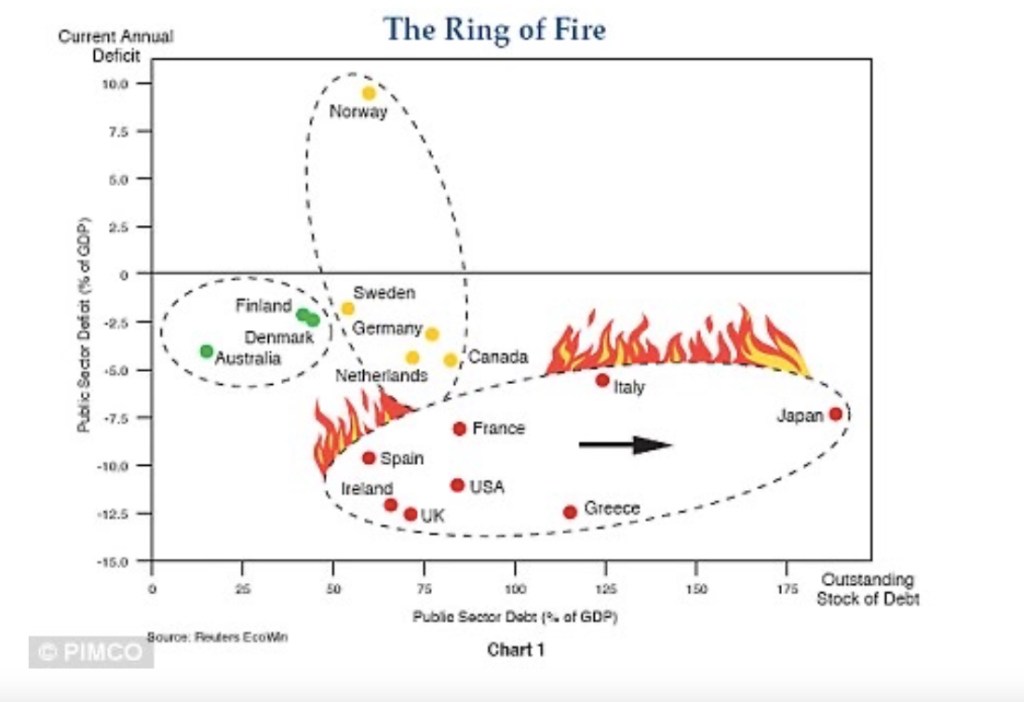
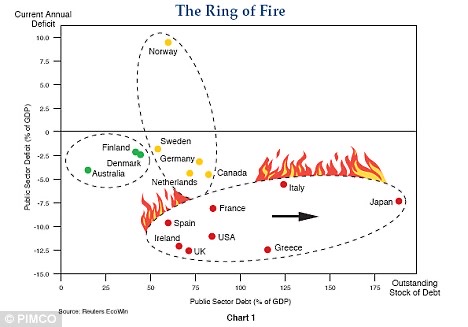
    Just as this chart showed at the time of the Global Financial Crisis, the countries in “The Ring of Fire” have experienced exceptional turbulence and turmoil in the years after the crisis. For example, the UK has had austerity budgets, a no-growth economy, Brexit and the ‘shock therapy’ of the COVID-19 pandemic. The US, on the other hand, has clashed with its allies, seen a new cold war emerge with rivals China and Russia, and experienced significant domestic unrest, culminating in the storming of its seat of Government, the Capitol.
    Just as now (2021) 2009 was a year in which the questions revolved around receiving a vaccine (for H1N1) and how best to affirm a person’s identity and citizenship. Photo: David South
    Iceland saw its banking system collapse during the Global Financial Crisis, sparking demonstrations (October 2008-2011) and the “Pots and Pans Revolution”. Photo: David South

    Session 1: Impacts, Coping Strategies and Livelihoods

    The first session addressed one of the seismic shifts of our time: that we are witnessing the largest migration in human history from rural, agricultural communities to megacities. In 2007, the world became a majority urban place, with profound consequences for rural communities. Arindam Banerjee, Centre for Development Studies, pointed out that despite India’s high growth rate over this decade, agriculture experienced a low growth rate. This led to a lack of respect for farmers, who were dealing with falling prices and reduced credit. And when commodity prices do rise, farmers do not benefit under the current system.

    The percentage of credit advanced in rural areas in India has been on the decline since 1991. People have now become dependent on informal credit sources with higher interest rates. Banerjee suggested some solutions to this crisis: boosting domestic demand, reducing dependence on exports, price support to growers, strengthening co-op credit services, and more employment programmes like NREGA (http://nrega.nic.in/) (National Rural Employment Guarantee Act) to support purchasing power in the rural sector. India needs to prevent a depression in the rural sector and find a solution to the fact rising prices are not going into producer’s pockets.

    And how do people cope in villages when a crisis hits? May Tan-Mullins from the University of Durham compared fisher folk in Indonesia and China and their responses to economic crises in 1997 and now. In the Indonesian village during 1997’s Asian crisis, low-income families lived on US $30 to US $45 a month. In today’s Chinese village of 700 households, low-income families are living on US $300/month. The village also benefits from money made during a yearly fishing festival. Average earnings in the community are relatively good: between US $700 and US $1,000/month.

    The Indonesian village during the 1997 crisis saw a big drop in the currency and it didn’t stabilise until 1999. Indonesian government stimulus through a health card scheme came along, but it wasn’t rolled out until 1999. The people were basically left to cope on their own with the crisis.

    The current crisis in China in 2009 has had fewer effects on the village. The currency is under control and stable. The government has introduced stimulus packages, and the village is part of a long-term strategy to integrate it into the urban economy. In visits, Tan-Mullins had observed people had not suffered much, but they feared the real impact will come in 2010. The stimulus works out to about 2,000 Yuan (US $292) per household. However, low-income families have not benefited because they can not access formal supports like unemployment insurance.

    The Indonesian fishing village survived by turning to informal credit sources. One example was to exchange ice and petrol in return for guaranteed deals for the fish at below market prices. A local mosque offered help with food parcels for 6 months in what was called a “trans-village religious network.” Women moved out of households and started working in the market, while some women made extra money cracking cashew nuts.

    The Chinese fishing village has also seen social changes. There has been a cutback on perceived unnecessary education for girls. People are turning to family networks, or to gaunxi (doing favours for friends) (http://en.wikipedia.org/wiki/Guanxi). Marriage, for some fishing men, is seen as a way to use a woman to help out at home. Tan-Mullins concluded Asian communities cope better with downturns because their informal networks kick in. The Chinese are good natural savers: up to 30 to 40 percent of monthly income, which can help families weather the bad times. She called for a better understanding of these complex networks.

    In Mexico, the country faces multiple challenges and social trends that were already heading in a negative direction before the crisis erupted. Lourdes Arizpe, from the National Autonomous University of Mexico, gave a sobering account of the extent of Mexico’s social breakdown. She called it “a profligate economy and an orphan society.” She detailed how migrants and drug dealers create new social and economic realities for the country. Mexico’s drug war alone has killed over 6,000 people in recent years. While some segments of the working population are finding their creative side during the downturn, others are turning to destructive behaviour. Mexico is suffering from too much legal and illegal drug use, and the medical costs of diseases of over-consumption (obesity, diabetes). The social breakdown has led to more teenage suicides and youth hooligans. Overall, Arizpe believes “all trends over the past 20 years have become worse.”

    This has led to many crises being hidden from the official statistics. For example, the migration from Mexico of women for the global care market is harming Mexican children who are denied a full-time mother. This is causing a care deficit in the Global South. Teenage boys without authority figures are then recruited into drug dealing.

    Arizpe’s solutions include recommending the Mexican government have a scheme for the unemployed, which would help take away the incentives to migrate for employment to other countries. She also encourages using the substantial remittance payments sent back to Mexico by migrants to invest in business and capital investment, rather than just homes.

    A Report from the UN Conference on the Social and Political Dimensions of the Global Crisis: Implications for Developing Countries (12-13 November 2009)

    Session 2: Social Policy: Country and Regional Perspectives

    Session 3: Social Policy: Global Perspective

    Session 4: Political Economy Dimensions of Crisis

    Relevant stories previously covered in Development Challenges, South-South Solutions:

    Model Indian Villages to Keep Rural Relevant (https://davidsouthconsulting.wordpress.com/south-south-case-studies/development-challenges-south-south-solutions/model-indian-villages-to-keep-rural-relevant/)
    A New House Kit for Slum Dwellers that is Safe and Easy to Build (https://davidsouthconsulting.org/2021/10/03/a-new-house-kit-for-slum-dwellers-that-is-safe-and-easy-to-build/)

    This work is licensed under a Creative Commons Attribution 4.0 International License.

    ORCID iD: https://orcid.org/0000-0001-5311-1052.

    © David South Consulting 2021

  • Past Clients + Publications | 1991 – 2016

    Past Clients + Publications | 1991 – 2016

    DS Consulting logo copy
    First business card David South Consulting
    The first business card for David South Consulting. Inspired by the Dutch post office’s (PTT Post) corporate identity developed by Studio Dumbar, the card was designed by Brian Cartwright of Toronto’s Rocket Design. Work at this time included investigative journalism for Canada’s top magazines and newspapers, magazine and newsletter editing, and communications for a prestigious medical history funder. From the very beginning, we were inspired by Dutch design for the public sector and the importance placed on this in The Netherlands. The work of Hein van Haaren, former head of the PTT’s Aesthetics Department, and graphic design pioneers Wim Crouwel and Gert Dumbar, still remain key influences to this day.
    Financial Times business card 1995
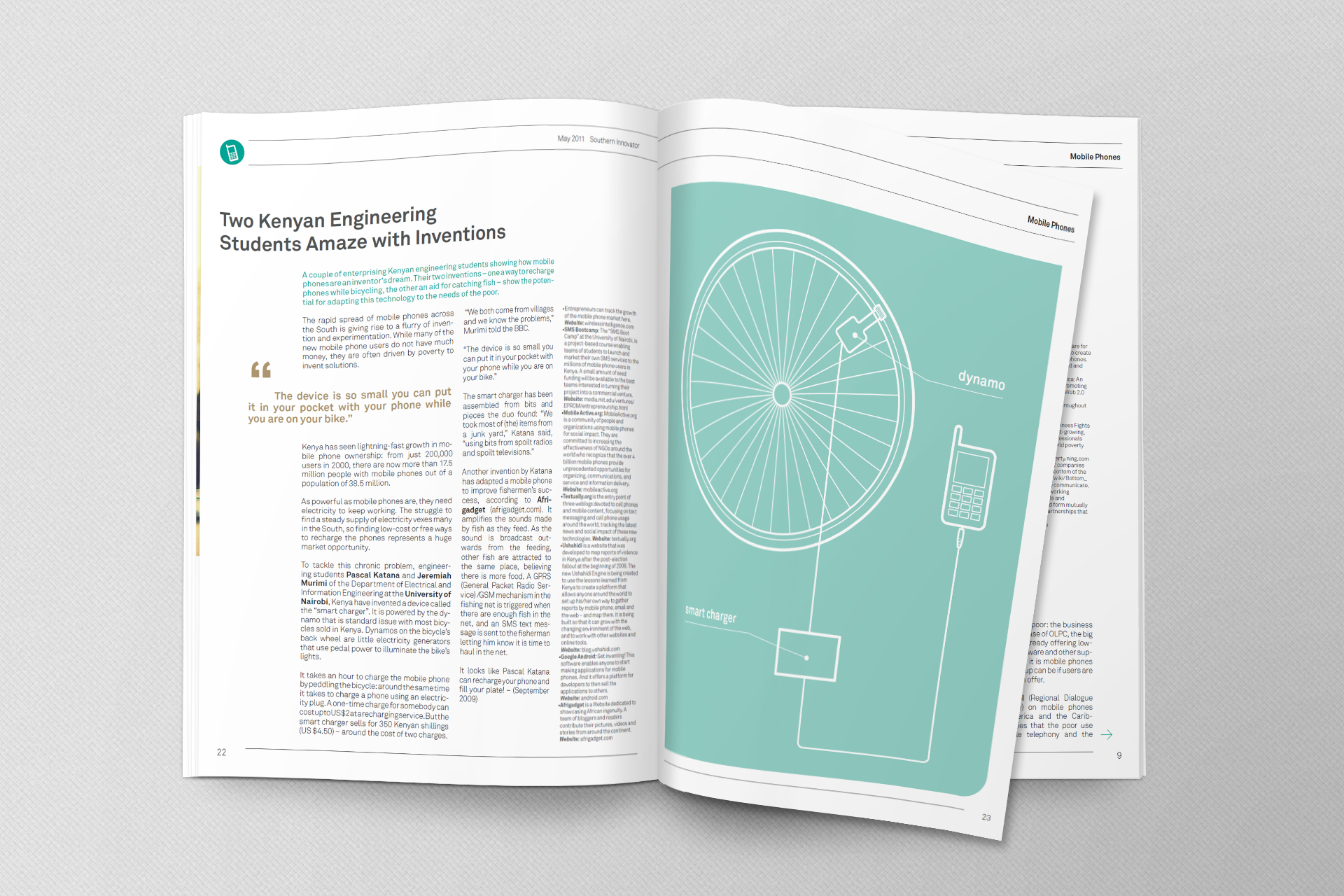
    As a reporter for two Financial Times newsletters, New Media Markets and Screen Finance, I covered the rapidly growing UK (and Scandinavian) television and new media markets and the expanding film-financing sector in Europe.
    Features Editor Id Magazine 1996-1997
    This Canadian alternative bi-weekly magazine broke new ground with its investigative journalism and online journalism. It gathered together highly talented, young contributors, many of whom are leading figures in journalism, the arts and technology today.
    UNDP Mongolia business card 1997
    As the UN’s head of communications in Mongolia (1997-1999), I founded the UNDP Mongolia Communications Office and oversaw a two-year communications programme to respond to the biggest post-WWII peacetime economic collapse. Award-winning and influential, the Office pioneered the use of the Internet in international development crisis response and was called a “role model” for the rest of the United Nations.
    UNDP Ukraine business card 2000
    Following on from the success of the UNDP Mongolia Communications Office, I worked with the head of the UN Ukraine mission to strategically relaunch the mission web portal, incorporating the newly launched UN Millennium Development Goals (MDGs).
    Ukraine biz card Ukrainian_mini
    GOSH business card 2001-2003
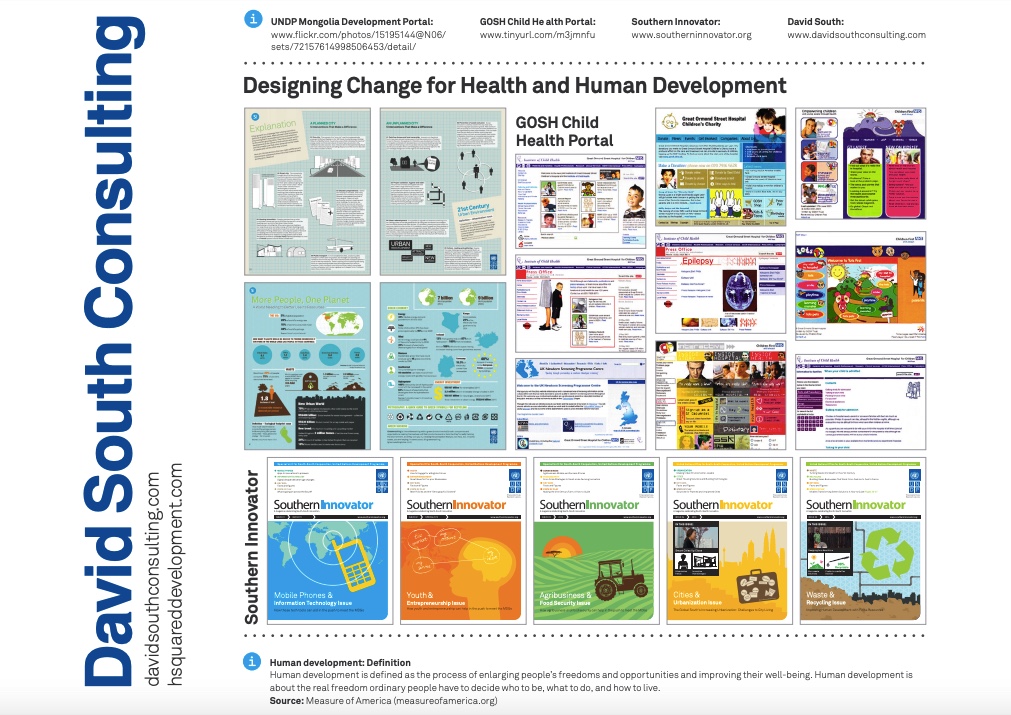
    Drawing on my extensive experience strategically using the Internet to achieve communications goals, I was hired to head a two-year project to launch the GOSH Child Health Web Portal. Award-winning, it was called a “role model” for the wider National Health Service (NHS) and one of the most admired websites in the UK public and charity sectors. The website was cited as contributing to the hospital’s high rating and attracted additional funding for its research.
    Mong MDG biz card_mini
    UN MDGs Education Media Project
    As part of an assessment of Mongolia’s media capabilities to communicate the Millennium Development Goals (MDGs), infographics were introduced for the first time to the mission.
    Southern Innovator business card
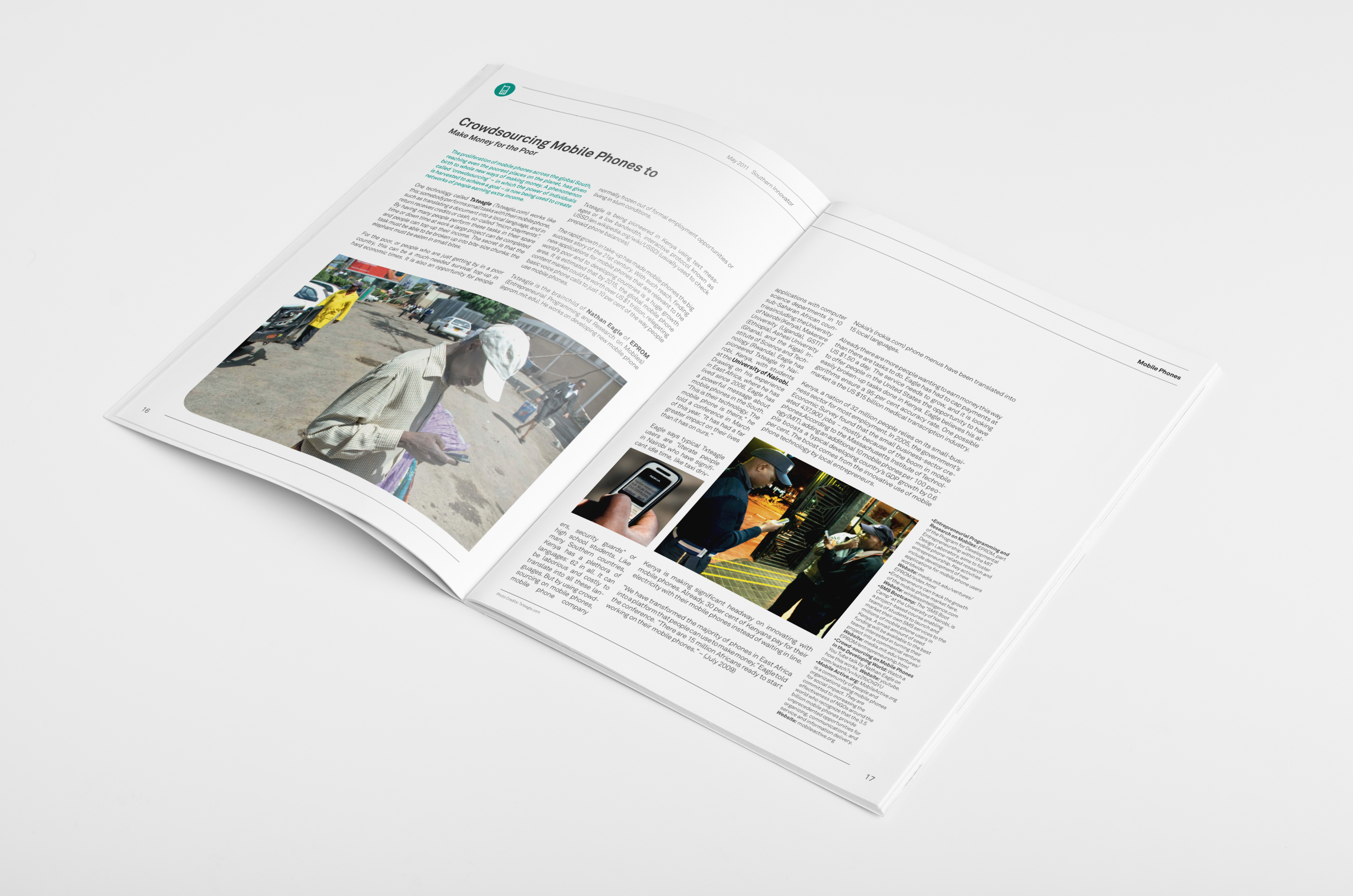
    With the Global Financial Crisis erupting, I was retained by the United Nations Office for South-South Cooperation (UNOSSC) to research and write a monthly e-newsletter and develop a new magazine to offer solutions and raise the profile of South-South cooperation as a development response to the crisis. Both publications proved highly influential, leading to the wider adoption of South-South cooperation and to national governments picking up the innovation agenda being brought about by the rapid take-up of mobile phones and information technology. The magazine Southern Innovator was called “a terrific tour de force of what is interesting, cutting edge and relevant in the global mobile/ICT space…”.
    David South Consulting business card
    In 2010, David South Consulting was relaunched with a new logo and branding for the 21st century. It represented a new phase, as work became global and very high-profile and influential. The foundations have been laid for future growth and expansion.

    Watch Magazine

    Watch Magazine masthead 1994
    Watch Magazine was launched in 1994 and quickly became the authentic 1990s voice of Toronto’s youth. As one of Toronto’s first youth start-ups, Youth Culture became a successful youth communications brand and expanded to national distribution by the late 1990s. Launched during the economic austerity years in Canada, it was one of the contributors to Toronto’s economic resurgence and renewed business vitality.

    New Media Markets

    New Media Markets masthead 1995
    As a reporter for two Financial Times newsletters, New Media Markets and Screen Finance, I covered the rapidly growing UK (and Scandinavian) television and new media markets and the expanding film-financing sector in Europe.

    A Partnership for Progress: The United Nations Development Programme in Mongolia

    P4P masthead 1997
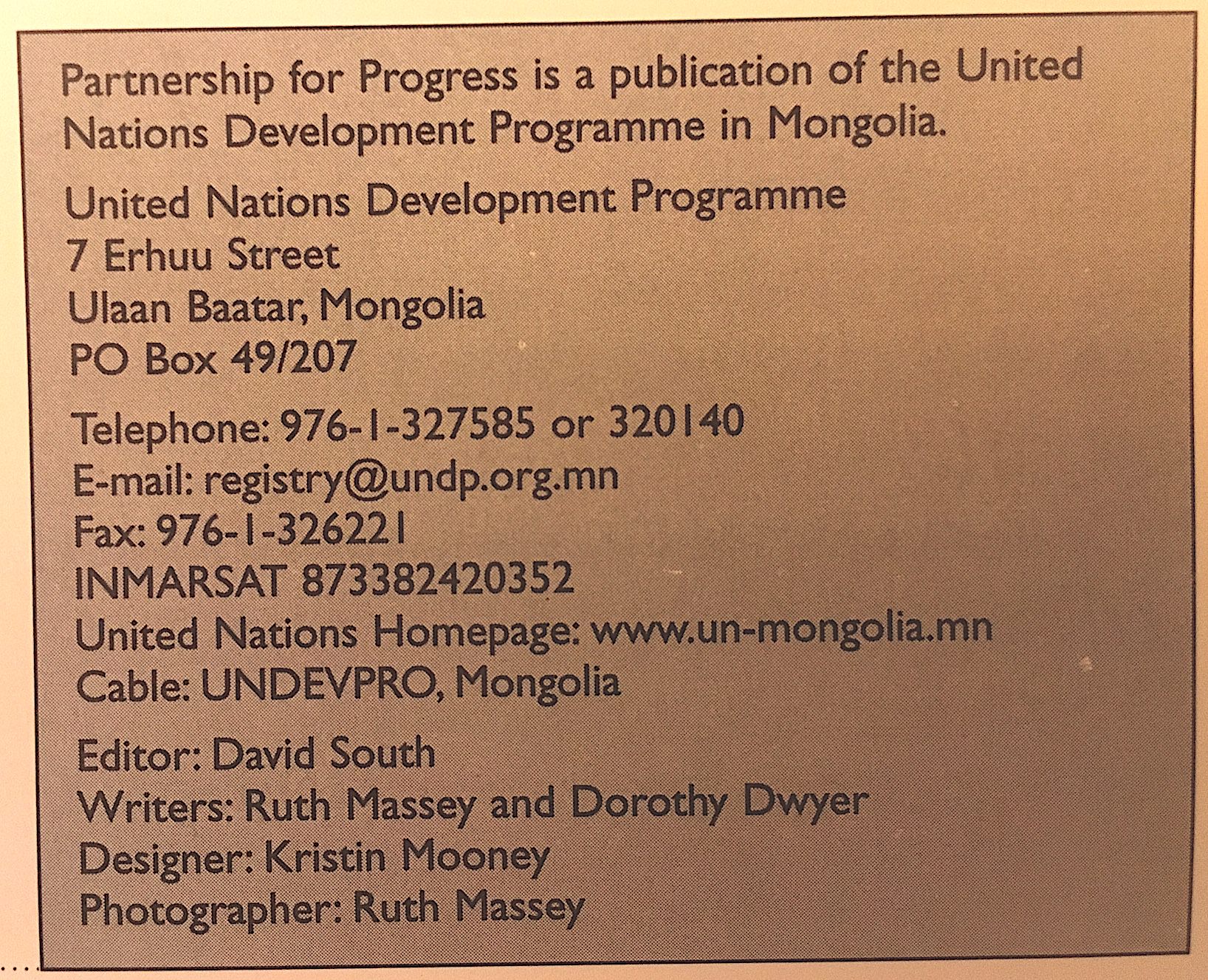
    The Partnership for Progress brochure raised the curtain on the UN’s response to Mongolia’s economic and social crisis in the late 1990s. It celebrated Mongolia’s independence and its flourishing media scene and free expression after the long years of Communism and state repression.

    Human Development Report Mongolia 1997

    Human Development Report Mongolia 1997
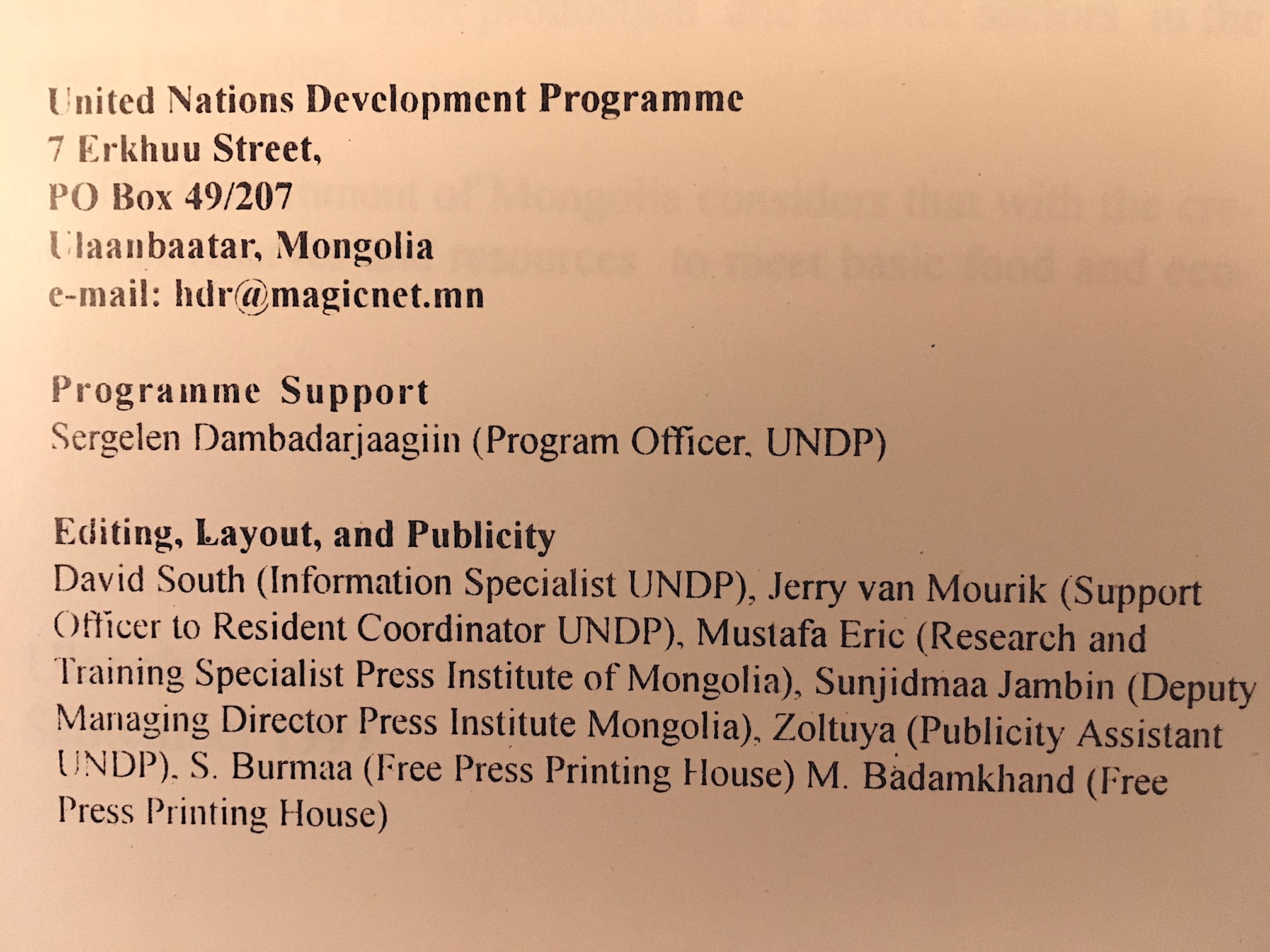
    The first human development report for Mongolia captured in data and stories the damage done by the harsh transition from Communism and the imposition of austerity during the 1990s. It found high levels of poverty in the country and a heavy toll taken on people’s health, communities and families. The report was received with great enthusiasm and had two print runs.

    Blue Sky Bulletin

    Blue Sky Bulletin
    The Blue Sky Bulletin newsletter broke with the usual approach taken by UN newsletters of offering up ‘grip n’ grin’ pictures of men in suits and instead offered actual stories and data on how Mongolia’s transition crisis was faring. It was distributed within Mongolia and by post and email outside the country to help raise awareness of the country and its development challenges.

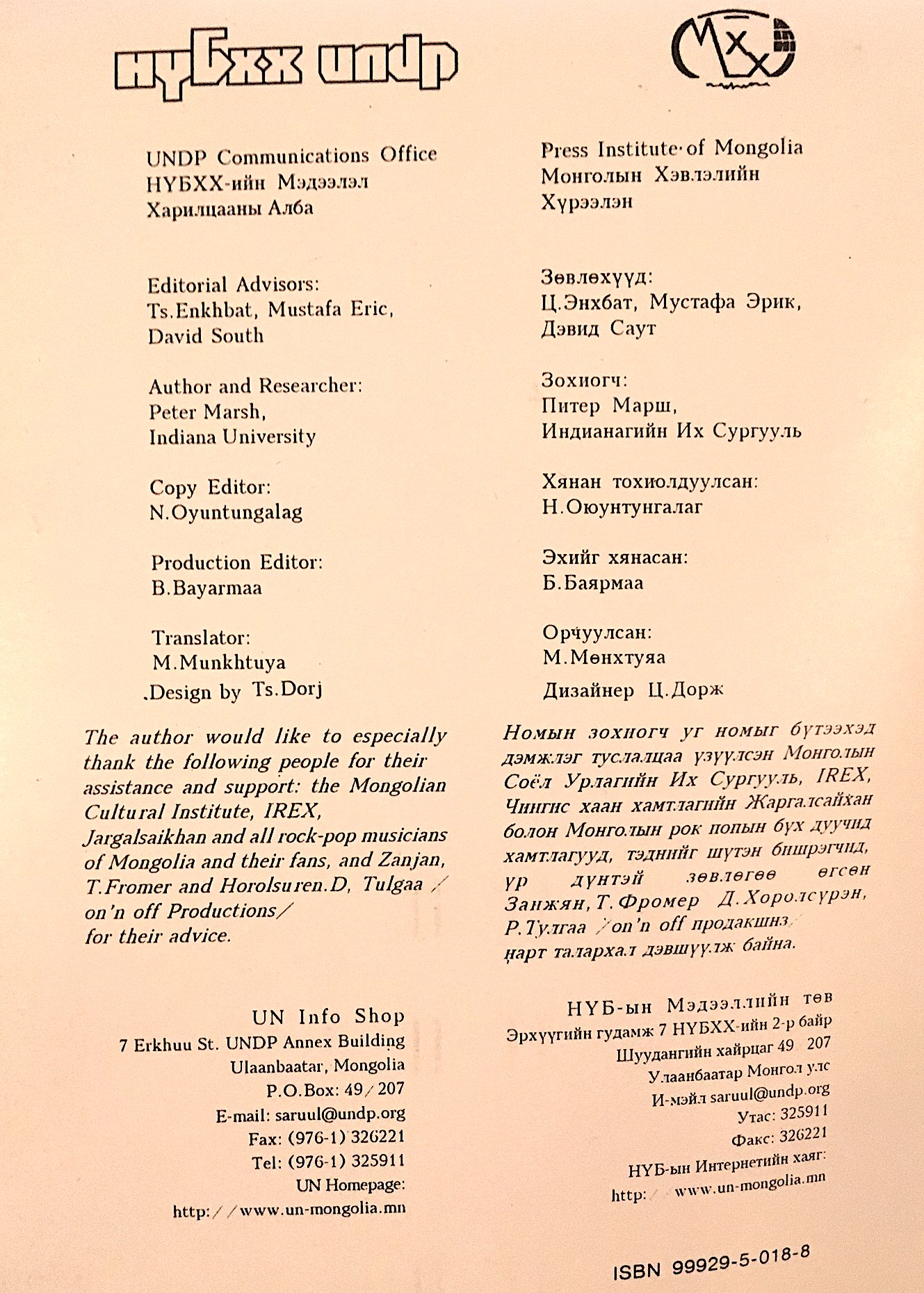
    Mongolian Rock-Pop Book

    Mongolian Rock-Pop Book
    Researched and written by ethnomusicologist Dr. Peter Marsh, this book on the impact of Mongolian rock and pop on the country’s business and entrepreneurship culture, shone a spotlight on a lively modern music scene.

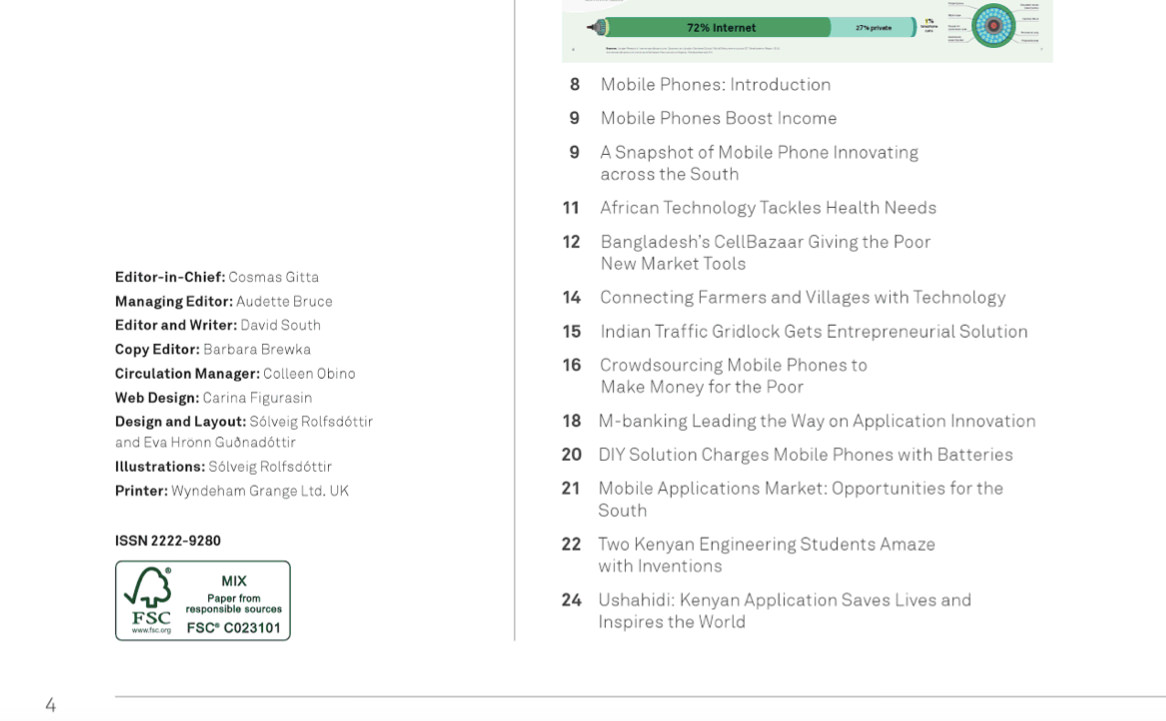
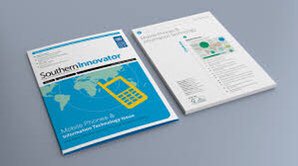
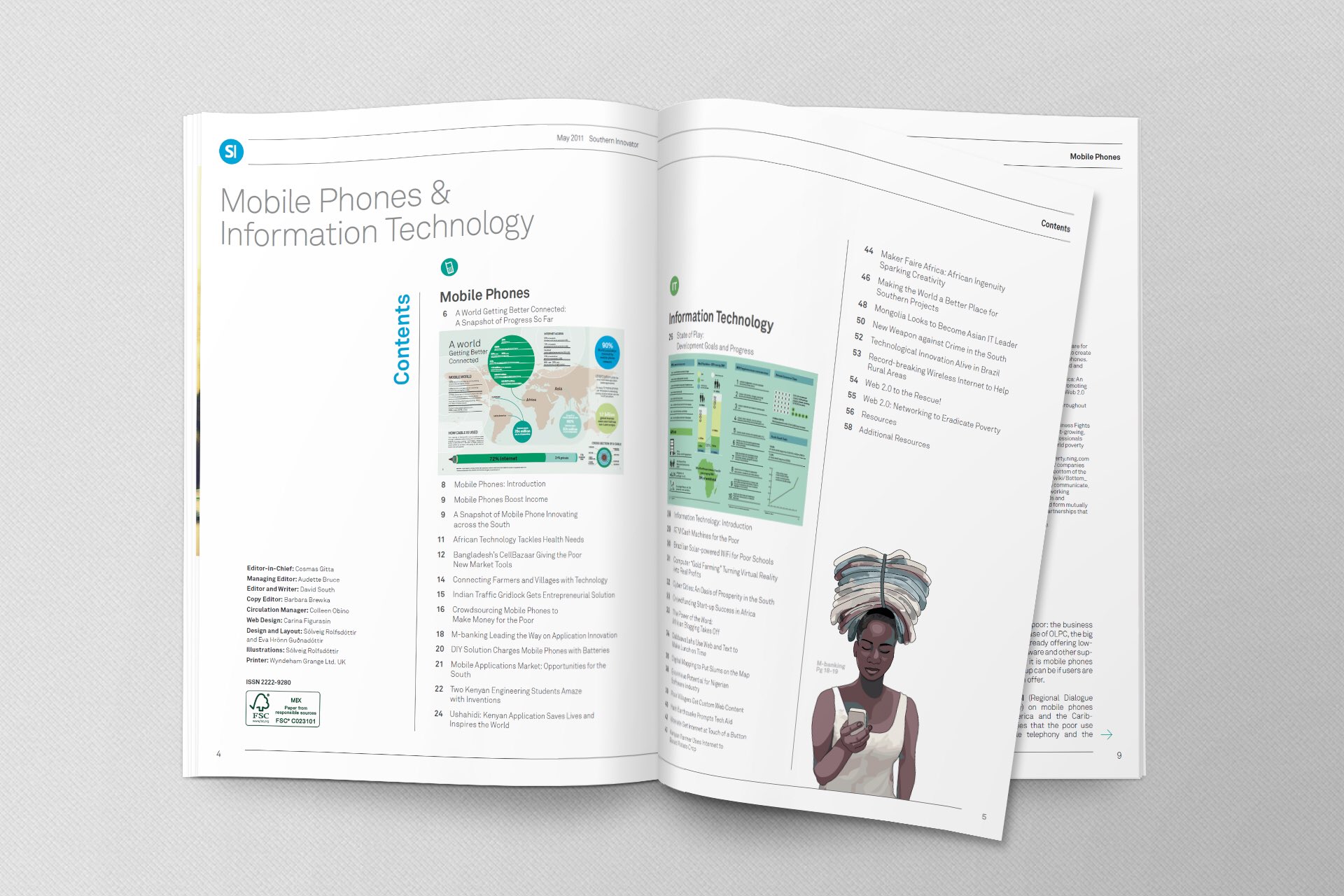
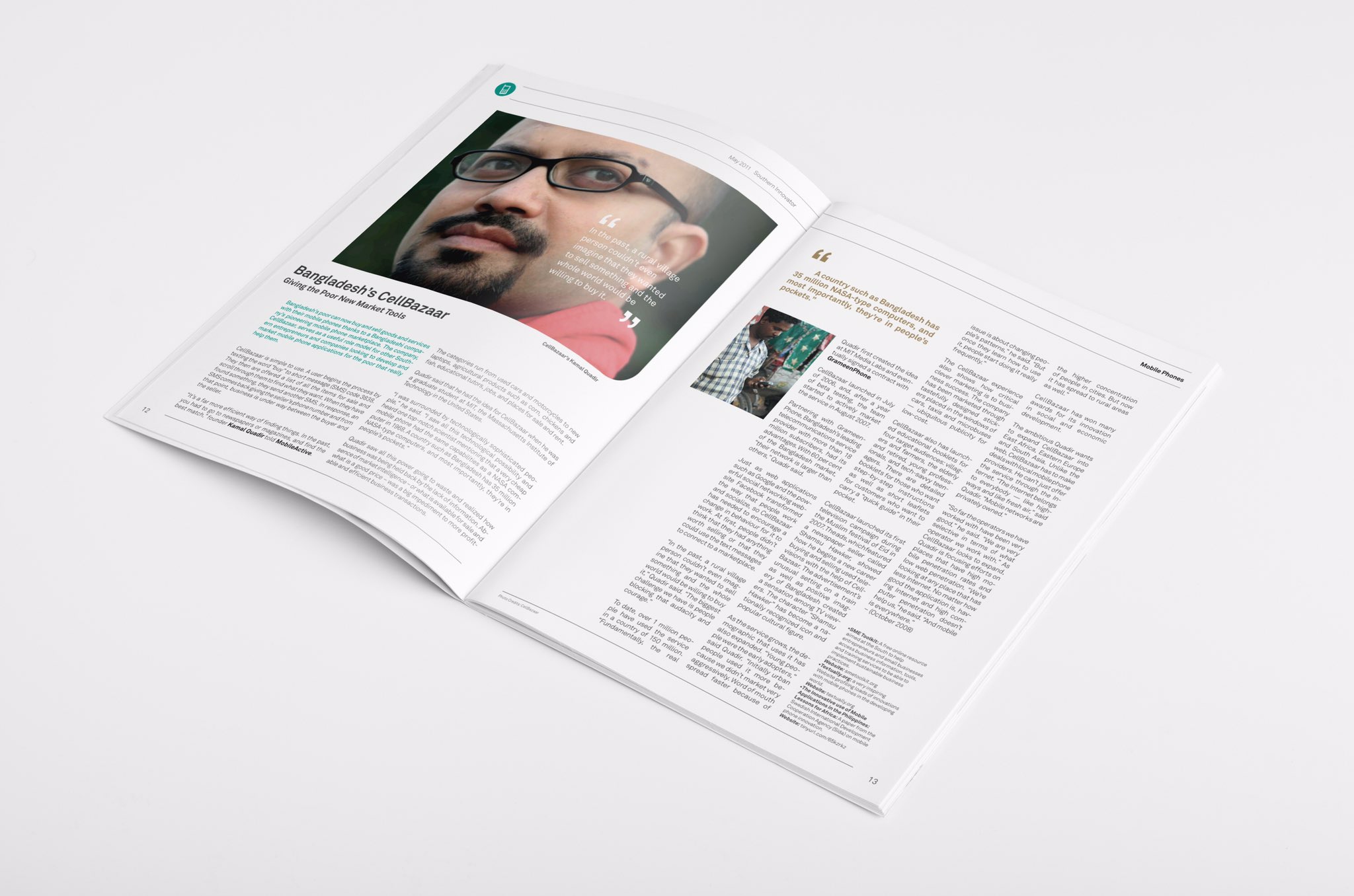
    Southern Innovator Magazine Issue 1: Mobile Phones and Information Technology

    SI Issue 1
    The first issue of Southern Innovator was called “a terrific tour de force of what is interesting, cutting edge and relevant in the global mobile/ICT space… ” and a “Beautiful, inspiring magazine from UNDP on South-South innovation.”

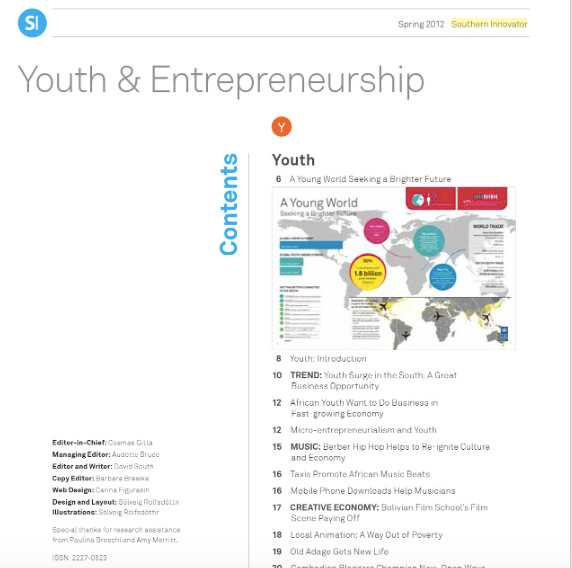
    Southern Innovator Magazine Issue 2: Youth and Entrepreneurship

    SI Issue 2
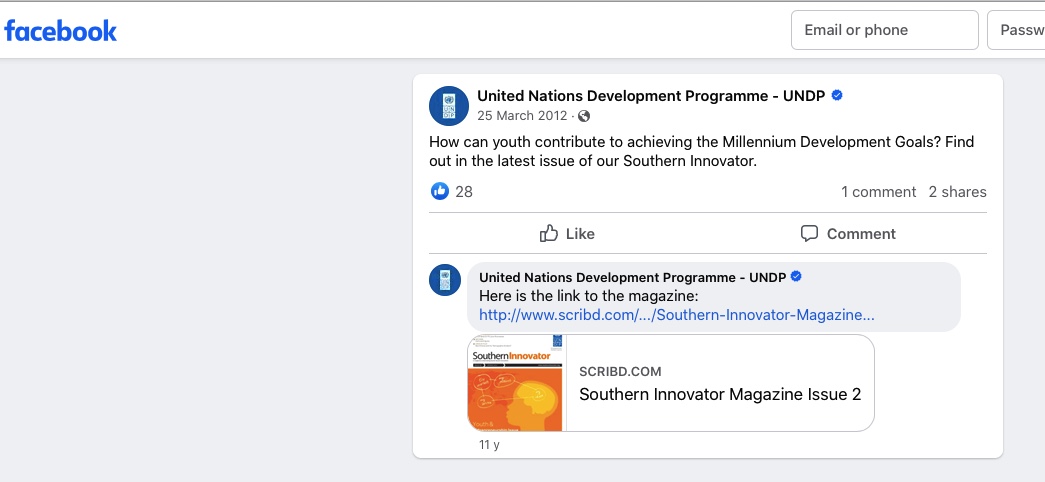
    Issue 2 of Southern Innovator drew praise for painting a positive picture of how the world’s development challenges could be taken on: “Thank you David – Your insight into the issues facing us a[s] [a] ‘global Village’ is made real in the detail of your article – 10 out of 10 from the moladi team.”

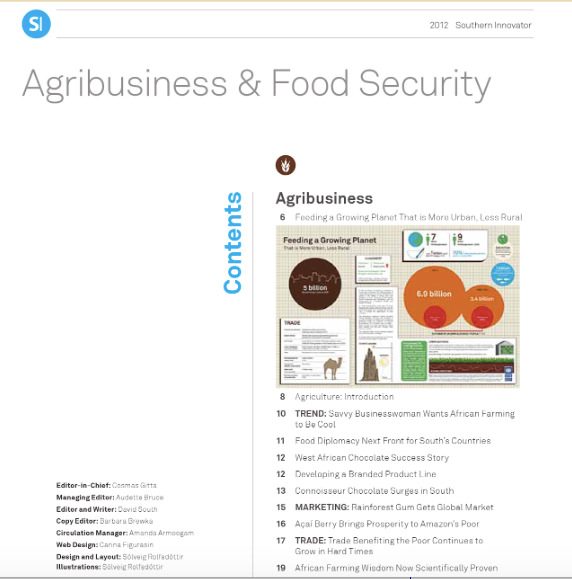
    Southern Innovator Magazine Issue 3: Agribusiness and Food Security

    SI Issue 3
    Issue 3 was on the theme of agribusiness and food security.

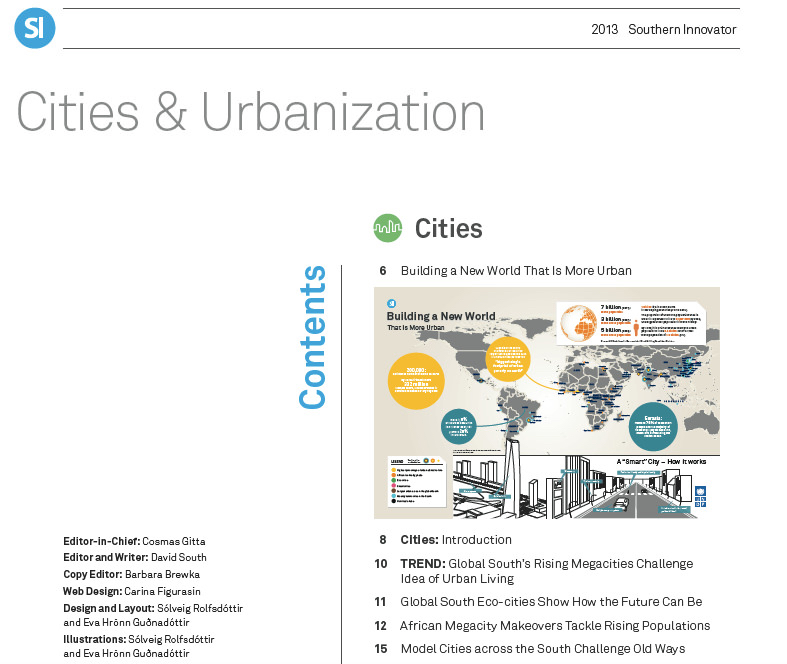
    Southern Innovator Magazine Issue 4: Cities and Urbanization

    SI Issue 4
    Issue 4 on cities and urbanization saw Southern Innovator visit innovative new cities across Asia. Readers said “The magazine looks fantastic, great content and a beautiful design!” It is designed by Icelandic graphic designer and illustrator Solveig Rolfsdottir.

    Southern Innovator Magazine Issue 5: Waste and Recycling

    SI Issue 5
    By this point, the Southern Innovator brand was drawing praise for being “one of the best sources out there for news and info on #solutions to #SouthSouth challenges.” Readers also said they “really enjoyed reading them [Southern Innovator], impressive work & a great resource. Looking forward to Issue 6. My best wishes to you & your team at SI.”
    DSC web address in green_mini (1)

    ORCID iD: https://orcid.org/0000-0001-5311-1052.

    © David South Consulting 2021

  • Web 2.0: Networking to Eradicate Poverty

    Web 2.0: Networking to Eradicate Poverty

    By David SouthDevelopment Challenges, South-South Solutions

    SOUTH-SOUTH CASE STUDY

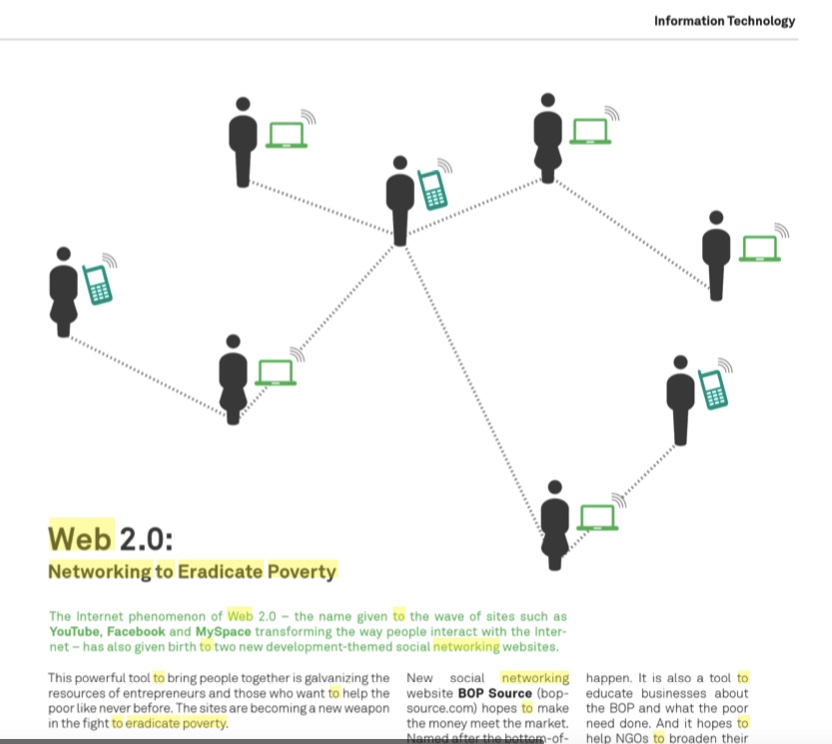
    The internet phenomenon of Web 2.0 (http://en.wikipedia.org/wiki/Web_2.0) – the name given to the wave of internet businesses and websites such as YouTube (www.youtube.com), Facebook and MySpace transforming the way people interact with the ‘Net – has also given birth to two new development-themed social networking websites.

    This powerful tool to bring people together is galvanizing the resources of entrepreneurs and those who want to help the poor like never before. The sites are becoming a new weapon in the fight to eradicate poverty.

    Social networking websites use various tools and applications (or ‘apps’ for short) to enhance the ability of users to connect and get things done. By bringing together a community of like-minded people, they are able to shorten the time it takes to organize and kick-start events. Web 2.0 can be used to build communities and social and business networks. By being able to store vast quantities of information online, it becomes faster to work and reduces the painful delays brought on by slow connections.

    All these new tools are making it easier and easier for entrepreneurs to work from home, in internet centres, or anywhere there is a wireless connection – and it is slashing the costs of managing a business. All the applications are online so there is no need to be hidebound by one operating system or hardware capability.

    Two newly launched social networking sites are targetting the poverty-eradication community.

    One is named after the Bottom of the Pyramid (BOP) concept as conceived by C.K. Prahalad. The BOP is the 4 billion people at the base of the global economic pyramid. As Prahalad sees it, they represent a vast market of unmet needs for entrepreneurs to tackle.

    New social networking website BOP Source hopes to make the money meet the market. Started by Jenara Nerenberg, BOP Source wants to put social networking tools into the hands of the world’s poor. It is a place to post business ideas and collaborate with others to make them happen. It is also a tool to educate businesses about the BOP and what the poor need done. And it hopes to help NGOs broaden their relationships with their constituencies and companies.

    While marketers can learn about the needs of the BOP, individuals can directly express their needs on the website and seek out the right people to solve problems.

    Another social networking website is Business Fights Poverty. Already at 1,000 members, it is a multimedia offering, with podcasts, videos, interviews and discussions about the role of business in addressing development goals.

    Published: November 2008

    Resources

    • BOP Source is a platform for companies and individuals at the BOP to directly communicate, ultimately fostering close working relationships, and for NGOs and companies to dialogue and form mutually valuable public-private partnerships that serve the BOP. Website: http://bopsource.ning.com/
    • Business Fights Poverty: Business Fights Poverty is the free-to-join, fast-growing, international network for professionals passionate about fighting world poverty through good business. Website: http://businessfightspoverty.ning.com/
    • Afriville is a Web 2.0 service and an African Caribbean social network. Afriville is a community website along the lines of the famous MySpace. Users are free to message and post profiles. The difference is that the user is able to choose how closed or open the networks are. The site features a state of the art music management system which allows African and Caribbean artists to get straight in touch with their fans.
    • Both Yahoo! And Google offer extensive free online tools for entrepreneurs and businesses that integrate seamlessly with their email services.
    • Kabissa: Space for Change in Africa: An online African web community promoting and supporting the transition to Web 2.0 services in Africa. Offers lots of opportunities to meet people throughout Africa and learn more.
    • Global Voices: An initiative from the Reuters news agency to aggregate the global conversation online from countries outside the US and Western Europe.
    • Information, Knowledge and Communication: Web 2.0 in Development Cooperation Bonn, Germany, 27-28 November 2008, Gustav Heinemann Haus. Website: http://www.eadi.org/index.php?id=994
    • 3rd IEEE/ACM International Conference on Information and Communication Technologies and Development (ICTD2009). Website: http://www.ictd2009.org

    https://davidsouthconsulting.org/2022/10/14/anti-bribery-website-in-india-inspires-others/

    https://davidsouthconsulting.org/2022/06/24/dabbawallahs-use-web-and-text-to-make-lunch-on-time/

    https://davidsouthconsulting.org/2022/03/07/david-south-consulting-ranked-in-the-top-10-million-websites/

    https://davidsouthconsulting.org/2021/05/25/ger-mongolias-first-web-magazine-and-a-pioneering-web-project-for-the-united-nations-12-january-2016/

    https://davidsouthconsulting.org/2022/06/25/shoes-with-sole-ethiopian-web-success-story/

    https://davidsouthconsulting.org/2022/10/21/social-networking-websites-a-way-out-of-poverty/

    https://davidsouthconsulting.org/2021/05/14/un-ukraine-web-development-experience-2000/

    https://davidsouthconsulting.org/2022/06/16/web-2-0-to-the-rescue-using-web-and-text-to-beat-shortages-in-africa/

    Development Challenges, South-South Solutions was launched as an e-newsletter in 2006 by UNDP’s South-South Cooperation Unit (now the United Nations Office for South-South Cooperation) based in New York, USA. It led on profiling the rise of the global South as an economic powerhouse and was one of the first regular publications to champion the global South’s innovators, entrepreneurs, and pioneers. It tracked the key trends that are now so profoundly reshaping how development is seen and done. This includes the rapid take-up of mobile phones and information technology in the global South (as profiled in the first issue of magazine Southern Innovator), the move to becoming a majority urban world, a growing global innovator culture, and the plethora of solutions being developed in the global South to tackle its problems and improve living conditions and boost human development. The success of the e-newsletter led to the launch of the magazine Southern Innovator. 

    Southern Innovator’s online archive portal was launched in New York City, U.S.A. (home to the UN’s headquarters) in 2011 (southerninnovator.org).
    Creative Commons License

    This work is licensed under a
    Creative Commons Attribution-Noncommercial-No Derivative Works 3.0 License.

    ORCID iD: https://orcid.org/0000-0001-5311-1052.

    © David South Consulting 2023