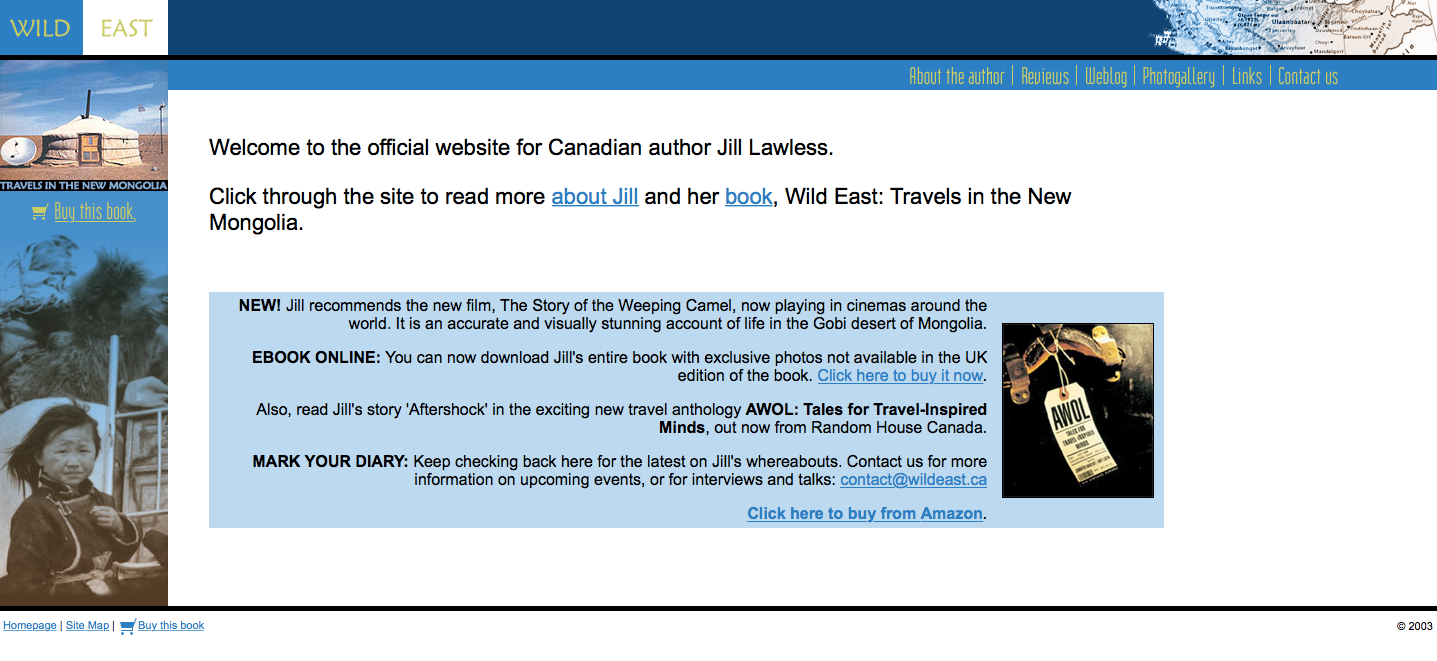
The original website at wildeast.ca (see below) was launched in 2003 and designed and built in London, UK. It served the book very well in the years after but, with the abrupt ending of business trading by the US server host, we have been prompted into revisiting a project that has been on the back burner for some time: to launch the official brand site for Jill Lawless.
For most of us, the name Mongolia conjures up exotic images of wild horsemen, endless grasslands, and nomads — a timeless and mysterious land that is also, in many ways, one that time forgot. Under Genghis Khan, the Mongols’ empire stretched across Asia and into the heart of Europe. But over the centuries Mongolia disappeared from the world’s consciousness, overshadowed and dominated by its huge neighbours — first China, which ruled Mongolia for centuries, then Russia, which transformed the feudal nation into the world’s second communist state.
Jill Lawless arrived in Mongolia in the late 1990s to find a country waking from centuries of isolation, at once rediscovering its heritage as a nomadic and Buddhist society and simultaneously discovering the western world.
The result is a land of fascinating, bewildering contrasts: a vast country where nomadic herders graze their sheep and yaks on the steppe, it also has one of the world’s highest literacy levels and a burgeoning high-tech scene. While trendy teenagers rollerblade amid the Soviet apartment blocks of Ulaanbaatar and dance to the latest pop music in nightclubs, and the rich drive Mercedes and surf the Internet, more than half the population still lives in felt tents, scratching out a living in one of the world’s harshest landscapes.
Mongolia, it can be argued, is the archetypal 21st-century nation, a country waking from a tumultuous 20th century in which it was wrenched from feudalism to communism to capitalism, searching for its place in the new millennium.
This is a funny and revealing portrait of a beautiful, troubled country whose fate holds lessons for all of us.
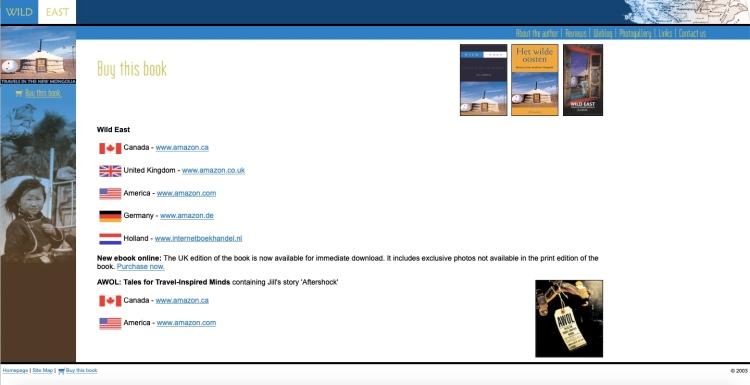
Launched in 2003, the original wildeast.ca website served us well. Beautifully designed and built in London, it stood out for its clean and crisp look and ease of use.Author Jill Lawless photographed in Tunisia in 2002. Originally published in Canada in 2000, Wild East: Travels in the New Mongolia was also published in the UK (2002) and the Netherlands (Het Wilde Oosten: Reizen in het moderne Mongolie) and in a large print version in 2012. The Dutch edition of Wild East: Travels in the New Mongolia by Jill Lawless.
Mongolië is voor veel mensen nog een mysterieus land dat vooral beelden oproept van woeste ruiters, uitgestrekte grasvlakten en nomaden. Het is een land waar de tijdstil lijkt te hebben gestaan. Als Jill Lawless arriveert in Mongolië treft ze een hoofdstad aan die veel westerser is dan ze had verwacht. De trendy geklede jongeren en moderne discotheken van Ulaanbaatar staan in schril contrast met de nomadische bevolking die nog in tenten op de ruige vlakten leven.
Het wilde Oosten is het onthullende reisverslag van Lawless’ verblijf in Mongolië waarbij je als lezer alle wetenswaardigheden over de lokale politiek, de diverse tradities en de historie van dit intrigerende land leert kennen.
De Canadese Jill Lawless werkte als redacteur in Mongolië bij de enige Engelstalige en onafhankelijke krant The UB Post. Zij schreef ook diverse artikelen over Mongolië voor internationale dagbladen. Momenteel woont en werkt ze als verslaggeefster in Londen.
Southern Innovator was initially launched in 2011 with the goal of – hopefully – inspiring others (just as we had been so inspired by the innovators we contacted and met). The magazine seeks to profile stories, trends, ideas, innovations and innovators overlooked by other media. The magazine grew from the monthly e-newsletter Development Challenges, South-South Solutions published by the United Nations Office for South-South Cooperation (UNOSSC) since 2006. A selection of books and papers citing stories from the magazine are featured below to aid researchers, in particular those interested in health and human development and the role of innovators in international development.
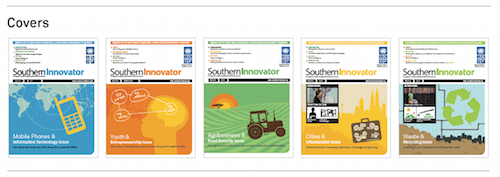
The first five issues of Southern Innovator from 2011 to 2014. Called a “Beautiful, inspiring magazine from UNDP on South-South innovation.”
“Innovation is critical to growth and development in Africa. In the context of a continent characterized by fast growing economies as well as an array of socioeconomic challenges, such as high levels of poverty and inequality, innovation in Africa must be understood in an encompassing manner. Africa needs to support the emergence of its own Silicon Valleys, but it must also foster the invention and adoption of cleaner technologies that limit respiratory illnesses, deforestation and combat climate change. This book contains a number of analytical case studies that examine the nature and origins of emerging high-end innovation hubs in Africa. These “hubs” or ecosystems are both understudied and little known inside and outside the continent. With this analysis, the book highlights and draws lessons from some of the most promising and successful innovation cases in Africa today, exploring the key factors driving their successful emergence, growth and future prospects. Relevant for scholars, policymakers, and business leaders, the book provides both inspiration and useful policy advice that can inform strategies and concrete measures to speed up the pace of innovation in Africa today.”
“Research on gated communities is moving away from the hard concept of a ‘gated community’ to the more fluid one of urban gating. The latter allows communities to be viewed through a new lens of soft boundaries, modern communication and networks of influence.
The book, written by an international team of experts, builds on the research of Bagaeen and Uduku’s previous edited publication, Gated Communities (Routledge 2010) and relates recent events to trends in urban research, showing how the discussion has moved from privatised to newly collectivised spaces, which have been the focal point for events such as the Occupy London movement and the Arab Spring.
Communities are now more mobilised and connected than ever, and Beyond Gated Communities shows how neighbourhoods can become part of a global network beyond their own gates. With chapters on Australia, Canada, Europe, South America, Asia, Africa and the Middle East, this is a truly international resource for scholars and students of urban studies interested in this dynamic, growing area of research.”
“The economic, political and social situation in Chile shows a country in transition. Some observers anticipate a broad “reboot” of the nation. While Chile is still seen by many as an example of progress in South America and of developmental potential in the global South, it faces a complex political constellation, particularly in the aftermath of the re-election of Michelle Bachelet. Many wonder how social and institutional innovations can be incepted without interrupting the country’s remarkable success over the past decades.
This book provides an interdisciplinary analysis of Chile’s situation and perspectives. In particular, it addresses the questions:
What is Chile’s real socio-political situation behind the curtains, irrespective of simplifications?
What are the nation’s main opportunities and problems?
What future strategies will be concretely applicable to improve social balance and mitigate ideological divisions?
The result is a provocative examination of a nation in search of identity and its role on the global stage.
Roland Benedikter, Dr., is Research Scholar at the Orfalea Center for Global and International Studies, University of California, Santa Barbara, Senior Research Scholar of the Council on Hemispheric Affairs Washington D.C., Trustee of the Toynbee Prize Foundation Boston and Full Member of the Club of Rome.
Katja Siepmann, MA, is Senior Research Fellow of the Council on Hemispheric Affairs Washington D.C., Member of the German Council on Foreign Relations, and Lecturer at the Faculty of Interdisciplinary Cultural Sciences of the European University Frankfurt/Oder.
The volume features a Foreword by Ned Strong, Executive Director of the David Rockefeller Center for Latin American Studies, Harvard University, and a Preface by Larry Birns, Director of the Council on Hemispheric Affairs, Washington D.C., and Former Senior Public Affairs Officer of the United Nations’ Economic Commission for Latin America (Santiago, Chile).”
“A Sociological Approach to Health Determinants investigates how the social works in determining health and health inequity. Taking a global perspective, the book shines a light on how experiences of health, illness and health care are shaped by a variety of complex social dynamics. Informed primarily by sociology, the book engages with the WHO’s social determinants of health approach and draws on contributions from history, political economy and policy analysis to examine issues such as class, gender, ethnicity and indigeneity, and the impact they have on health. A Sociological Approach to Health Determinants is a comprehensive resource that provides a new perspective on the influence of social structures on health, and how our understanding of the social can ensure improved health outcomes for people all over the globe. Toni Schofield is Associate Professor at the University of Sydney. She specialises in research and teaching in sociology, and public policy and administration.”
New Directions in Children’s and Adolescents’ Information Behavior Research edited by Dania Bilal and Jamshid Beheshti (Emerald Group Publishing: 2014)”This book comprises innovative research on the information behavior of various age groups. It also looks at special populations such as ethnic minorities, indigenous peoples, and users with disabilities. The book presents research and reflections on designing systems that help the new generation cope with a complex knowledge society.
Economy Reports for APEC Economies on demographics, policies & ICT applications for people with Special Needs (Seniors and People with Disabilities), Asia-Pacific Economic Cooperation, APEC Telecommunications and Information Working Group, January 2013
Taming the Tide: Stories from India by Claire Bentley, Vanessa Brombosz, Sofianne Gabrielli, Ga Eun Lee, Vaidehi Nafade, Lindsay Steele and Muhammad Wali, Global Health Case Studies: A Compilation from PPHS 511 Fundamentals of Global Health, McGill Global Health Programs, Case studies – Fall 2015, pages 23 to 32
If you would like to either sponsor an issue of Southern Innovator or place an advertisement in the magazine, then please contact southerninnovator@yahoo.co.uk.
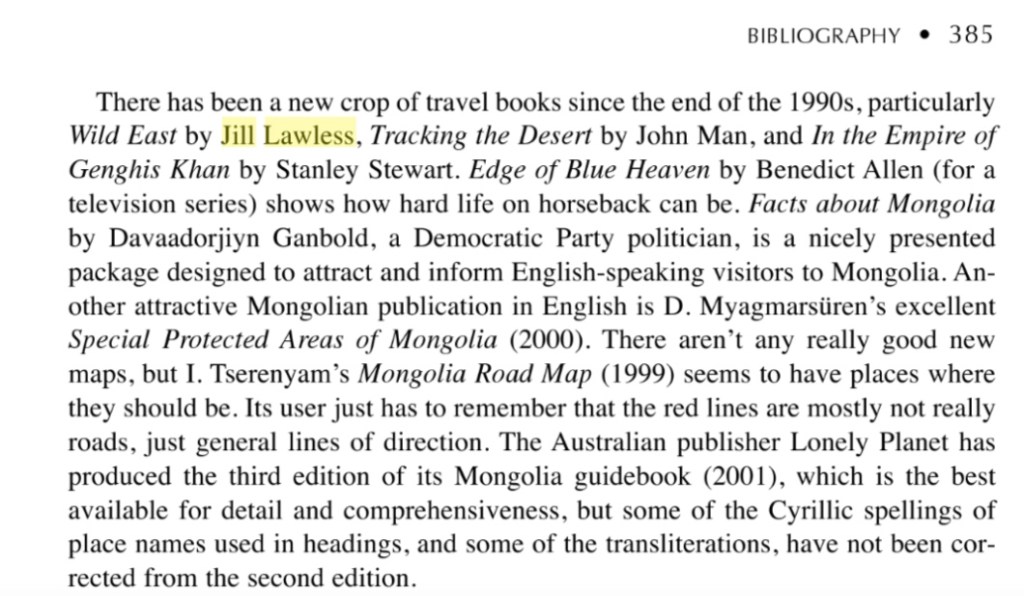
“Lawless introduces us to Mongolia’s tabloid press, to teenage mineworkers, sharp-eyed young hustlers, nomads whose only possessions are their livestock, Mongolian wrestlers and Mongolian horse races.” Toronto Star
“This readable and reportorial book is the perfect antidote to … those tiresomely difficult, pointlessly dangerous, and essentially fake expeditions undertaken against the advice of local people who know better.” The Georgia Straight, Vancouver
“Wryly funny and wide-spectrum account of Mongolia’s tumultuous rebirthing into the 21st century. Half the population lives in Soviet apartment blocks and watches satellite TV but the other half still eek a living from the exquisite, barren hills while living in nomadic felt tents. Of course, I’d much rather be in the tents… but whatever your preference, you will definitely enjoy Ms. Lawless’ writing. She was editor of an Ulaan Baator newspaper for two years, and she tells it like it is. Very highly recommended.” Mongolian Buryat Civilisation Bookstore
“Jill Lawless’ book is not a scholarly tome per se, yet it is of definite value to the contemporary Mongolian scholar … Lawless’ period is 1997-1999, the heart of the tumultuous and ill-spent years of Democratic Coalition Government… a period of great hopes for democratic flowering and free market enterprise leading the nation to prosperity and progress.” Alicia J. Campi in Mongolian Studies
Historical dictionary of Mongolia, by Alan J. K. Sanders, Scarecrow Press, 2003.
“Others sent me Jill Lawless’s Wild East: The New Mongolia, a compilation of pieces she wrote when she was editor of Mongolia’s English-language newspaper, the UB Post, during Mongolia’s transition from a socialist people’s republic to young democracy. With the wind shaking the frame of my ger, I lit the stove and read what these and other writers claimed to have found just outside my flapping felt walls.
“By the time veteran journalist Jasper Becker’s Mongolia: Travels in an Untamed Land arrived, I had put aside books written since Mongolia opened up to the West in the early 1990s. Most Western travellers and writers discovered the same sights from the back of a borrowed horse. Only Lawless had investigated the place over time on its own terms. The others, full of pith and vinegar and a standard set of assumptions about what they would find, built books on flights of fancy – golfing across Mongolia, following the path of medieval monks, ‘rediscovering shamanism’ – that were flimsier even than those that had set me in motion. The books were as exciting as museum diorama, papier-mâché models of their ‘medieval’ travels and capitalist fantasies.” Three Years in Mongolia: Trying to be a Travel Writer, Luke Meinzen, Kill Your Darlings, 10 April 2012
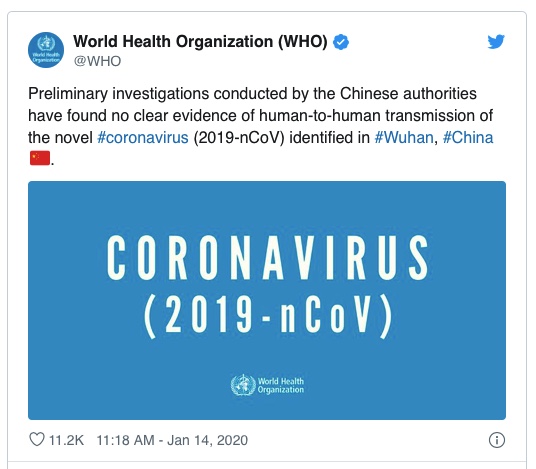
This timeline is an aid to decision-making during the recovery from the pandemic and how to better prepare for outbreaks in the post-COVID-19 pandemic policy environment.
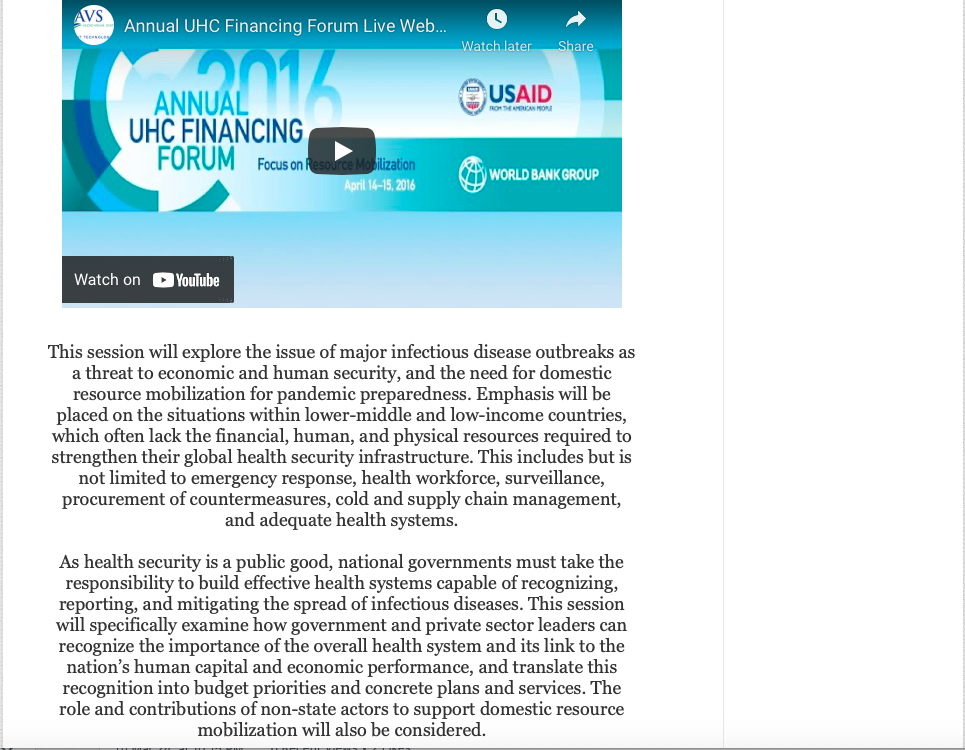
“This session will explore the issue of major infectious disease outbreaks as a threat to economic and human security, and the need for domestic resource mobilization for pandemic preparedness. Emphasis will be placed on the situations within lower-middle and low-income countries, which often lack the financial, human, and physical resources required to strengthen their global health security infrastructure. This includes but is not limited to emergency response, health workforce, surveillance, procurement of countermeasures, cold and supply chain management, and adequate health systems.”
“The exercise illustrated areas where public/private partnerships will be necessary during the response to a severe pandemic in order to diminish large-scale economic and societal consequences.
In recent years, the world has seen a growing number of epidemic events, amounting to approximately 200 events annually. These events are increasing, and they are disruptive to health, economies, and society. Managing these events already strains global capacity, even absent a pandemic threat. Experts agree that it is only a matter of time before one of these epidemics becomes global—a pandemic with potentially catastrophic consequences. A severe pandemic, which becomes “Event 201,” would require reliable cooperation among several industries, national governments, and key international institutions.”
“This book develops an examination and critique of human extinction as a result of the ‘next #pandemic’ and turns attention towards the role of pandemic catastrophe in the renegotiation of what it means to be human.”
“Anyone with a real interest in business and global trade will have been in London last week. To look on as the government tried to enact Brexit legislation? No — to attend the World Chinese Entrepreneurs Convention.”
“… It is 30 years old, but came to Europe for the first time only last week. …
“3,000 delegates from Chinese-owned businesses representing a large part of world trade were at the ExCel centre in Docklands for three days.
“What’s a girl to do when she gets an invitation to the key dinner for this event?.”
“ONCE YOU’RE IN THE MIDST OF A SEVERE PANDEMIC, YOUR OPTIONS ARE VERY LIMITED. THE GREATEST GOOD CAN HAPPEN WITH PRE-PLANNING.” Eric Toner, Senior scholar, Johns Hopkins Center for Health Security
The scenarios foresaw leaky travel bans, a scramble for vaccines and disputes between state and federal leaders, but none could anticipate the current levels of dysfunction in the United States.
“A Canadian team of scientists has successfully isolated a strain of the coronavirus and grown samples in a lab to help study the pathogen responsible for the deadly global pandemic.
“Researchers from Sunnybrook Research Institute, McMaster University and the University of Toronto, all in Canada, isolated the virus from two specimens and then cultivated it in a secure containment facility.”
“It appears that what you might well call Chinese agents infiltrated one of the highest prized national security elements when it comes to biosecurity and biodefence,” said Christian Leuprecht, a security expert and professor at the Royal Military College and Queen’s University.
“The phrase ‘global health’ appears ubiquitously in contemporary medical spheres, from academic research programs to websites of pharmaceutical companies. In its most visible manifestation, global health refers to strategies addressing major epidemics and endemic conditions through philanthropy, and multilateral, private-public partnerships. This book explores the origins of global health, a new regime of health intervention in countries of the global South born around 1990, examining its assemblages of knowledge, practices and policies.
The volume proposes an encompassing view of the transition from international public health to global health, bringing together historians and anthropologists to analyse why new modes of “interventions on the life of others” recently appeared and how they blur the classical divides between North and South. The contributors argue that not only does the global health enterprise signal a significant departure from the postwar targets and modes of operations typical of international public health, but that new configurations of action have moved global health beyond concerns with infectious diseases and state-based programs.
The book will appeal to academics, students and health professionals interested in new discussions about the transnational circulation of drugs, bugs, therapies, biomedical technologies and people in the context of the “neo-liberal turn” in development practices.”
































 David South Consulting
You must be logged in to post a comment.