Categories
Archive Development Challenges, South-South Solutions Newsletters

2011 Trends for the South

By David SouthDevelopment Challenges, South-South Solutions

SOUTH-SOUTH CASE STUDY

The world has been through a dramatic and fascinating period since the global economic crisis erupted in 2008. While the wealthy, developed nations of the North have been pitched into one crisis after another, the countries of the global South (many of whom are well accustomed to crises) have been part of a powerful new economic phenomenon: the rapid growth of South-South trade, investment and exchange. Its effects include stronger ties between Asia and South America and between China and Africa.

South-South trade is the great economic success story of the past decade. World Trade Organization (WTO) (www.wto.org) figures show South-South trade grew to 16.4 percent of the US $14 trillion in total world exports in 2007, from 11.5 percent in 2000. While the global economic crisis has slowed trade down, the overall trend for South-South trade and connections seems firmly established.

South-South trade made up 20 percent of global exports by 2010, and foreign direct investment to developing economies rose by 10 percent in 2010 due to a rapid economic recovery and increasing South-South flows.

Trade between China and Africa has surged during the decade since China joined the WTO in 2001, from around US $10 billion in 2000 to US $73.3 billion in 2007, a year-on-year increase of 32.2 percent. By 2008, it had soared by 44.1 percent to reach a record high of US $106.84 billion, according to Zhang Yongpeng of the Institute for West Asian and African Studies (IWAAS).

The surge is remarkable and recent. For example, according to accountants KPMG, between 2001 and 2009 China invested just US $215 million in Brazil. But in 2010, China invested US $20 billion in energy and chemical companies in Argentina and Brazil. And Luis Alberto Moreno, president of the Inter-American Development Bank, told the Financial Times that “seven percent of Colombian gasoline has been replaced by domestic ethanol, produced with green Indian technology – while Indian companies, including Infosys and Tata, now have 17,000 employees in Latin America and the Caribbean.”

This jump in investment has also had its downside: coming fast and furious as investment cash chases better investment profits in the global South, it has pushed up inflation and commodity prices and spawned property speculation bubbles. This, as can be seen across North Africa and the Middle East, can lead to political and social instability.

A review of the big trends bubbling under the surface in 2011 shows how important South-South exchange will be in alleviating poverty and improving lives in the run-up to the 2015 Millennium Development Goals (http://www.un.org/millenniumgoals/). It also shows up the dangers inherent in this new environment – rising inflation without economic growth can crush the poor. A focus on innovation and new thinking will be necessary to get through this year and beyond.

Some of the top trends that will have a big impact in 2011 are:

– Inflation: In 2011 it looks like we will hear a lot about inflation. As the global economy tries to stabilize and return to growth, there will be inflation surges for a wide variety of reasons. People will need strategies and new techniques to make sure they can afford the necessities of life. This will be critical if development gains from the past decade are not to be lost.

– Super cycle: Some are putting forward the theory we are entering a ‘super cycle’ (http://www.bloomberg.com/news/2011-01-23/super-cycle-leaves-no-economy-behind-as-davos-shifts-to-growth-from-crisis.html) created by better connectivity, global travel and mobility and the ease of moving around investment to create businesses and jobs. The super cycle theory claims that this will spark the greatest period of human development in history – raising all national economies – as more and more people benefit from rising living standards and opportunities.

– Switch to South-South trade: With the trend of increasing South-South trade now firmly established, there is a greater awareness now of the power of sharing ideas across the South. One example of this idea-sharing is the annual Global South-South Development Expo (http://www.southsouthexpo.org/) run by UNDP’s Special Unit for South-South Cooperation Unit (http://ssc.undp.org/).

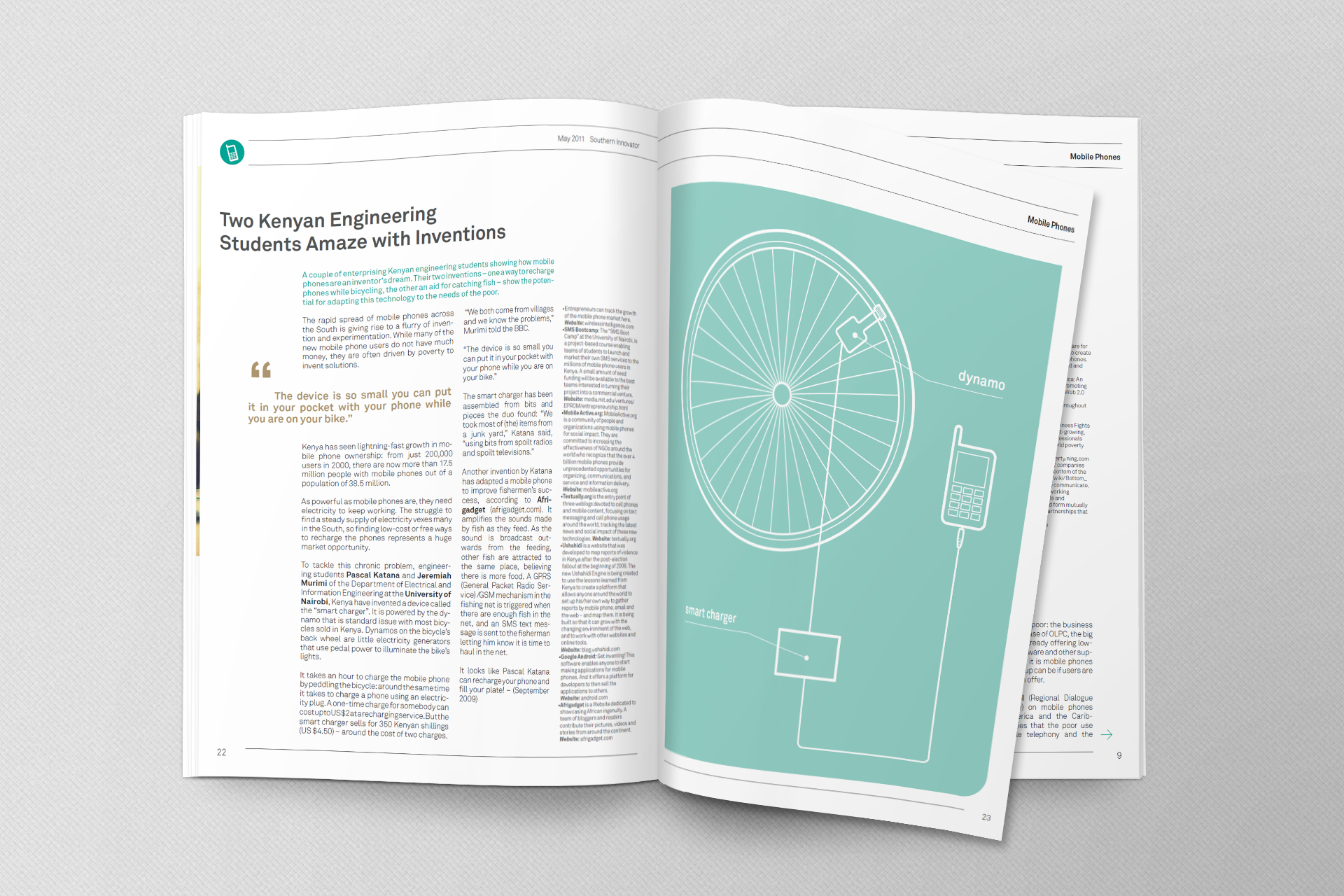
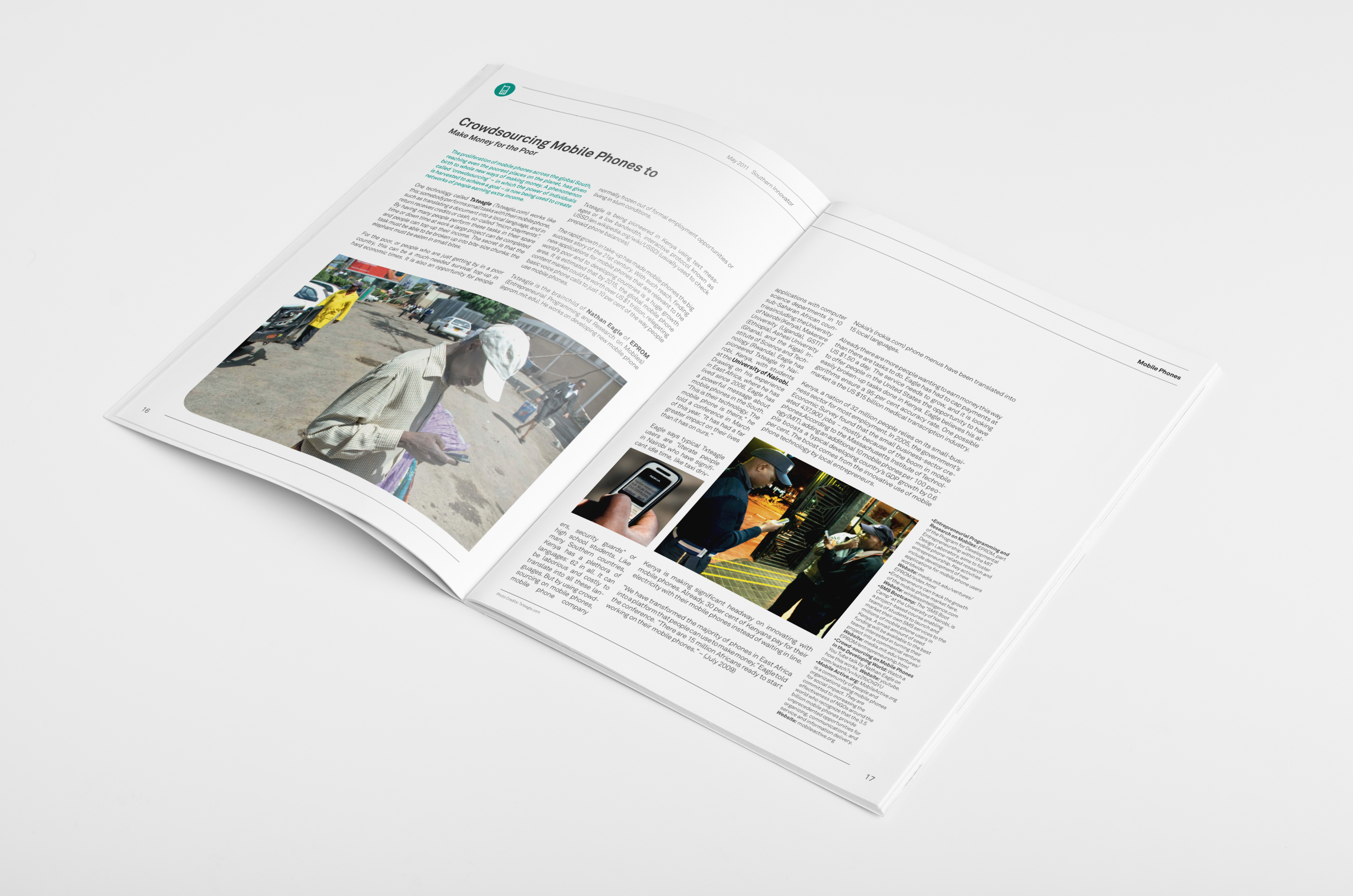
– New technologies: The spread of new technologies around the world will continue and bring many changes. Africa is seeing increasing access to high-speed Internet as new undersea cables are laid around the continent. Mobile phones will continue to be a critical tool for many to stay in touch and boost incomes.

– MDGs on horizon in 2015: The Millennium Development Goals (MDGs) target of 2015 is just four years away. This will face the headwinds of the global economic crisis and urgent attention will be needed to make sure gains are not lost as 2015 approaches. The role played by South-South trade will be a critical partner in aiding goal achievements.

– Cities: A surge to the urban was pronounced by 2007 and we are now living in a majority urban world. Innovation and sharing experiences and knowledge will play a key role in ensuring this is not a disaster. A recent book, Arrival City by Canadian journalist Doug Saunders, detailed this urban surge occurring across the global South, the largest movement of people to cities and urban and semi-urban areas in human history. It follows the pattern that was seen in Europe in the 19th century, as economies change and people seek the new opportunities promised by cities, or find rural economies unsustainable.

– The China model of development: The big talking point will be China’s economic model for eradicating poverty on a mass scale. A new book by Dambisa Moyo, How the West Was Lost: Fifty Years of Economic Folly – And the Stark Choices Ahead, investigates the mistakes made in developed, Western nations and what can be learned from the experiences in the global South.

– Food crisis: At the beginning of February, the Food and Agricultural Organization (FAO) issued a warning about the risk of a new global food crisis after its food price index reached a record high in January 2011. The FAO also issued an alert about severe drought in China, the world’s largest wheat producer. Flooding in Brazil and Australia have also devastated crops, much of which are exported to countries across the South. There is also risk to crops from flooding in southern Africa. Wheat, corn and soybean prices are rising, and prices reached a peak just as they did in 2008 (FAO).

Even developed countries normally used to food surpluses are at risk. In the US, corn reserves are at a 15 year low (US Department of Agriculture), and the price of corn has doubled in past six months.

A billion people go to bed hungry every night; someone starves to death every 3.6 seconds – 75 percent are children under five, according to the World Food Programme (http://www.wfp.org/1billion).

Published: 2011

Resources
1) Global Information and Early Warning System on Food and Agriculture: A data mix tracking global food prices and situation reports. Website: http://www.fao.org/worldfoodsituation/wfs-home/en/
2) World Bank Food Crisis blog: Website: http://www.worldbank.org/foodcrisis/
3) Trade Law Centre for Southern Africa: “Building capacity to help Africa trade better”: tralac’s mission is to build trade law capacity in southern Africa so that these countries can participate effectively in the global economy; to negotiate trade agreements that will support their development objectives, and so that they can implement the agreements to ensure that they realise the potential benefits of international trade. Website: http://www.tralac.org/cgi-bin/giga.cgi?cmd=cause_dir_cause&cause_id=1694
4) Future Forum world videos: Compelling animated videos exploring the hard choices of an urbanizing world and the need to promote sustainable development and environmental harmony. Website: http://www.youtube.com/user/forumforthefuture96

Development Challenges, South-South Solutions was launched as an e-newsletter in 2006 by UNDP’s South-South Cooperation Unit (now the United Nations Office for South-South Cooperation) based in New York, USA. It led on profiling the rise of the global South as an economic powerhouse and was one of the first regular publications to champion the global South’s innovators, entrepreneurs, and pioneers. It tracked the key trends that are now so profoundly reshaping how development is seen and done. This includes the rapid take-up of mobile phones and information technology in the global South (as profiled in the first issue of magazine Southern Innovator), the move to becoming a majority urban world, a growing global innovator culture, and the plethora of solutions being developed in the global South to tackle its problems and improve living conditions and boost human development. The success of the e-newsletter led to the launch of the magazine Southern Innovator. 
Creative Commons License

This work is licensed under a
Creative Commons Attribution-Noncommercial-No Derivative Works 3.0 License.

ORCID iD: https://orcid.org/0000-0001-5311-1052.

© David South Consulting 2022

Categories
Archive Development Challenges, South-South Solutions Newsletters Southern Innovator magazine

Chilean Eco-Buildings Pioneering Construction Methods

By David SouthDevelopment Challenges, South-South Solutions

SOUTH-SOUTH CASE STUDY

Across the global South, the search is on for new ways to build without extracting a high price from local environments.

More and more people are recognizing the advantages of energy-saving methods like prefabrication. Prefab building techniques involve assembling a structure from pre-assembled parts or modules made in a factory, or transporting a completed, factory-made structure to a site (http://en.wikipedia.org/wiki/Prefabricated_building). Pre-fabrication has many advantages, especially now that information technologies bring precision to the building process. Prefabrication means the construction process can be tightly controlled, helping to avoid waste, time delays, weather problems, or any of the other idiosyncrasies of a building site. It can also allow large numbers of dwellings to be built quickly by maximizing skills and efficiencies in an assembly-line model of production.

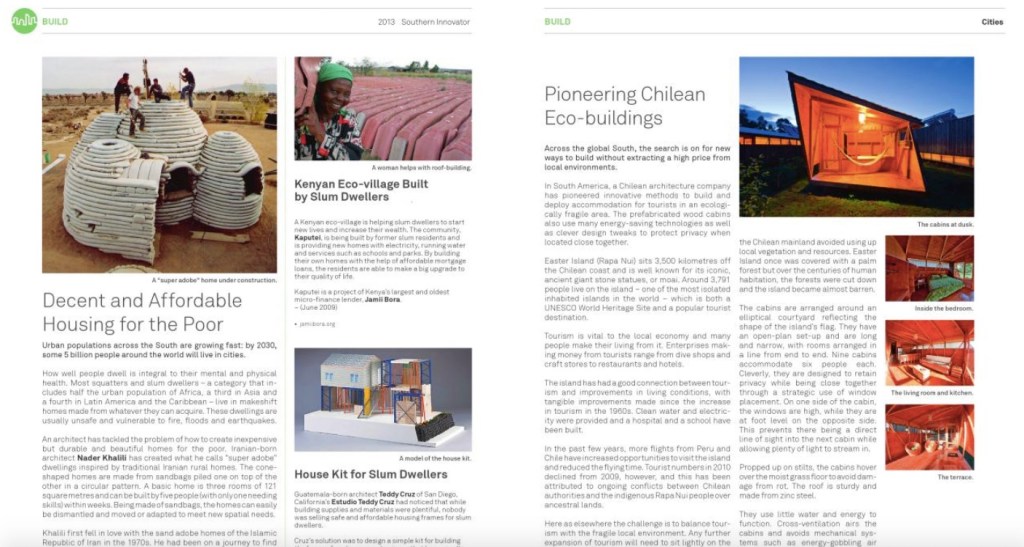
In South America, a Chilean architecture company has pioneered innovative methods to build and deploy accommodation for tourists in an ecologically fragile area. The prefabricated wood cabins also use many emerging saving technologies and clever design tweaks to protect privacy when located close together.

Easter Island (Rapa Nui) (http://en.wikipedia.org/wiki/Easter_Island) sits 3,500 kilometers off the Chilean coast and is well known for its iconic, giant head ancient stone statues, or moai (http://en.wikipedia.org/wiki/Moai). Around 3,791 people live on the island – one of the most isolated inhabited islands in the world – which is both a UNESCO World Heritage Site and a popular tourist destination.

Tourism is vital to the local economy and many people make their living from it. Enterprises making money from tourists range from dive shops and craft stores to restaurants and hotels.

The island has had a good connection between tourism and improvements in living conditions, with tangible improvements made since the increase in tourism in the 1960s. Clean water and electricity were provided and a hospital and a school built.

In the past few years, more flights from Peru and Chile have increased opportunities to visit the island and lowered flight times. The island’s only airport is being expanded to further increase the capacity of flights, a project due to be completed by 2015.

But tourist numbers in 2010 declined from 2009 and this has been attributed to ongoing conflicts between Chilean authorities and the indigenous Rapa Nui people over ancestral lands.

Here as elsewhere, the challenge is to balance tourism with the fragile local environment. Any further expansion of tourism will need to sit lightly on the land and respect the rights of the Rapa Nui people.

The brief for the Morerava eco cabins (http://www.morerava.com/) was to provide environmentally sensitive accommodation that uses few local resources. Built by Santiago-based Chilean architects AATA Associate Architects (http://aata.cl/), the cabins were prefabricated in a factory and shipped to the island during 2010.

The architects specialize in industrial, commercial, educational and institutional, residential and interior design. They pay attention to environmental conditions and the use of resources.

The cabins are arranged around an elliptical courtyard reflecting the shape of the island’s flag design. They have an open-plan set-up and are long and skinny, with rooms arranged in a line from end to end. Nine cabins accommodate six people each. Cleverly, they are designed to retain privacy while being close together. Privacy is maintained through a strategic use of window placement. On one side of the cabin, the windows are high, while they are low at foot level on the opposite side. This prevents there being a direct sight line into the next cabin, while allowing plenty of light to stream in.

Having the cabins built on the Chilean mainland avoided using up local vegetation and resources. Easter Island once was covered with a palm forest. But over the centuries of human habitation, the forests were cut down and the island became almost barren.

Propped up on stilts, the cabins hover over the moist grass floor to avoid damage from rot. The roof is sturdy and made from zinc steel.

They use little water and energy to function. Cross-ventilation airs the cabins and avoids mechanical systems like energy-gobbling air conditioners. Electricity on the island is generated from expensive petrol, so any means to avoid using it means a big savings.

With a mild climate, the cabins do not need insulation.

Water is captured from rainfall on the roof and is then drained into a storage tank below the cabins (http://en.wikipedia.org/wiki/Rainwater_harvesting), and hot water is provided by solar heaters placed on the rooftops. This system circulates the hot water without electricity by using a technology called thermosiphon (http://en.wikipedia.org/wiki/Thermosiphon) which exploits the natural phenomenon of heated water being less dense and rising while cooler water flows downward through the force of gravity.

At the other end of the construction spectrum, one of the most notoriously energy-wasting of structures – an office building – has been given a green makeover. Another Chilean pioneer in green architecture is the Santiago headquarters of Empresas Transoceanica (http://www.transoceanica.cl/), a private investment company in real estate, hotels and tourism, agro-industry and logistics. Its new campus HQ – part park, part office building – maximizes light through the building’s long and bulbous shape.

Designed to reduce energy demand while improving work spaces, it favours natural light while avoiding excess heat build up through wooden slats outside the building.

Geothermal energy comes from a well 75 metres below ground. This provides water cooled at 12 degrees Celsius, to cool the building. The building has been built following the strict environmental guidelines laid down in the LEED guidelines (Leadership in Energy & Environmental Design (LEED) – an internationally recognized green building certification system (http://en.wikipedia.org/wiki/Leadership_in_Energy_and_Environmental_Design).

Extensive planning and design work went into making sure the building’s structure, orientation, lighting, insulation and landscaping reduced energy use and need for energy-intensive mechanical solutions. Skylights bring natural light into the building’s public spaces. There are three stories above ground and two stories below providing underground parking.

The landscaped park around the building is actually the roof for the underground parking garage. The whole edifice creates a seamless connection between the building and the greenery and water features surrounding it.

Published: February 2011

Resources

1) Series of photographs and architectural renderings of the Transoceanica headquarters. Website: http://www.plataformaarquitectura.cl/2010/10/28/edificio-transoceanica-arquitectos-2/

2) World Hands Project: An NGO specialising in simple building techniques for the poor. Website: www.worldhandsproject.org

3)  Builders Without Borders: Is an international network of ecological builders who advocate the use of straw, earth and other local, affordable materials in construction. Website: http://builderswithoutborders.org/

4) An inspiring collection of prefabrication buildings and the techniques used to make them. Website: http://inhabitat.com/architecture/prefab-housing/

5)  Tiny House Design Blog: The blog is full of ideas and plans for making small homes cheaply. Website: http://www.tinyhousedesign.com/

6)  Building and Social Housing Foundation: The Building and Social Housing Foundation (BSHF) is an independent research organisation that promotes sustainable development and innovation in housing through collaborative research and knowledge transfer. Website: http://www.bshf.org/

Development Challenges, South-South Solutions was launched as an e-newsletter in 2006 by UNDP’s South-South Cooperation Unit (now the United Nations Office for South-South Cooperation) based in New York, USA. It led on profiling the rise of the global South as an economic powerhouse and was one of the first regular publications to champion the global South’s innovators, entrepreneurs, and pioneers. It tracked the key trends that are now so profoundly reshaping how development is seen and done. This includes the rapid take-up of mobile phones and information technology in the global South (as profiled in the first issue of magazine Southern Innovator), the move to becoming a majority urban world, a growing global innovator culture, and the plethora of solutions being developed in the global South to tackle its problems and improve living conditions and boost human development. The success of the e-newsletter led to the launch of the magazine Southern Innovator.  

Creative Commons License

This work is licensed under a
Creative Commons Attribution-Noncommercial-No Derivative Works 3.0 License.

ORCID iD: https://orcid.org/0000-0001-5311-1052.

© David South Consulting 2023

Categories
Archive Southern Innovator magazine

Press Release 1 | Southern Innovator

Press Release for General Distribution

New Magazine Targets Innovators in Global South

United Nations, New York, 20 September 2011

  • Global magazine Southern Innovator profiles innovation culture ending poverty
  • 60-page color magazine gives snapshot of fast-changing world

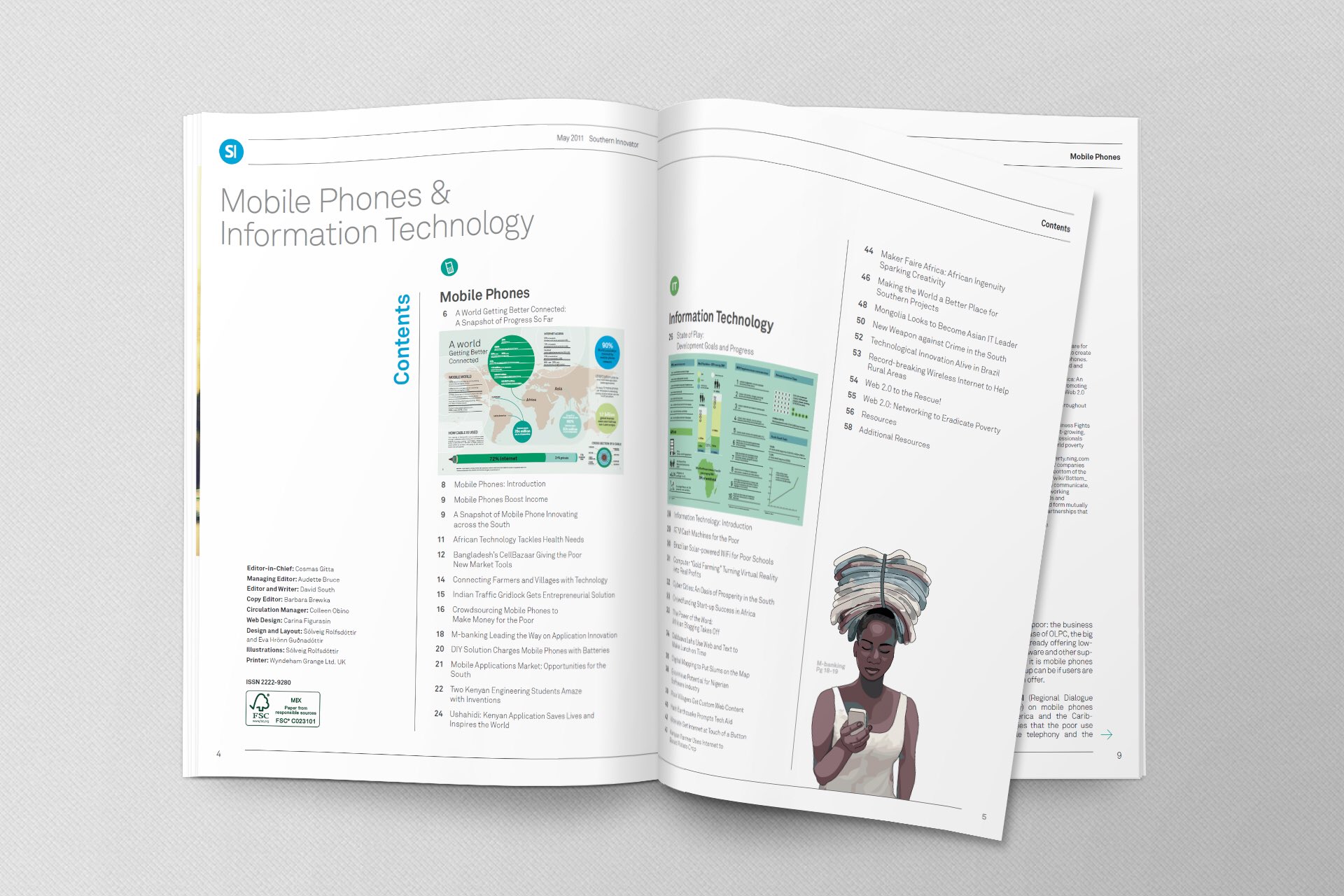
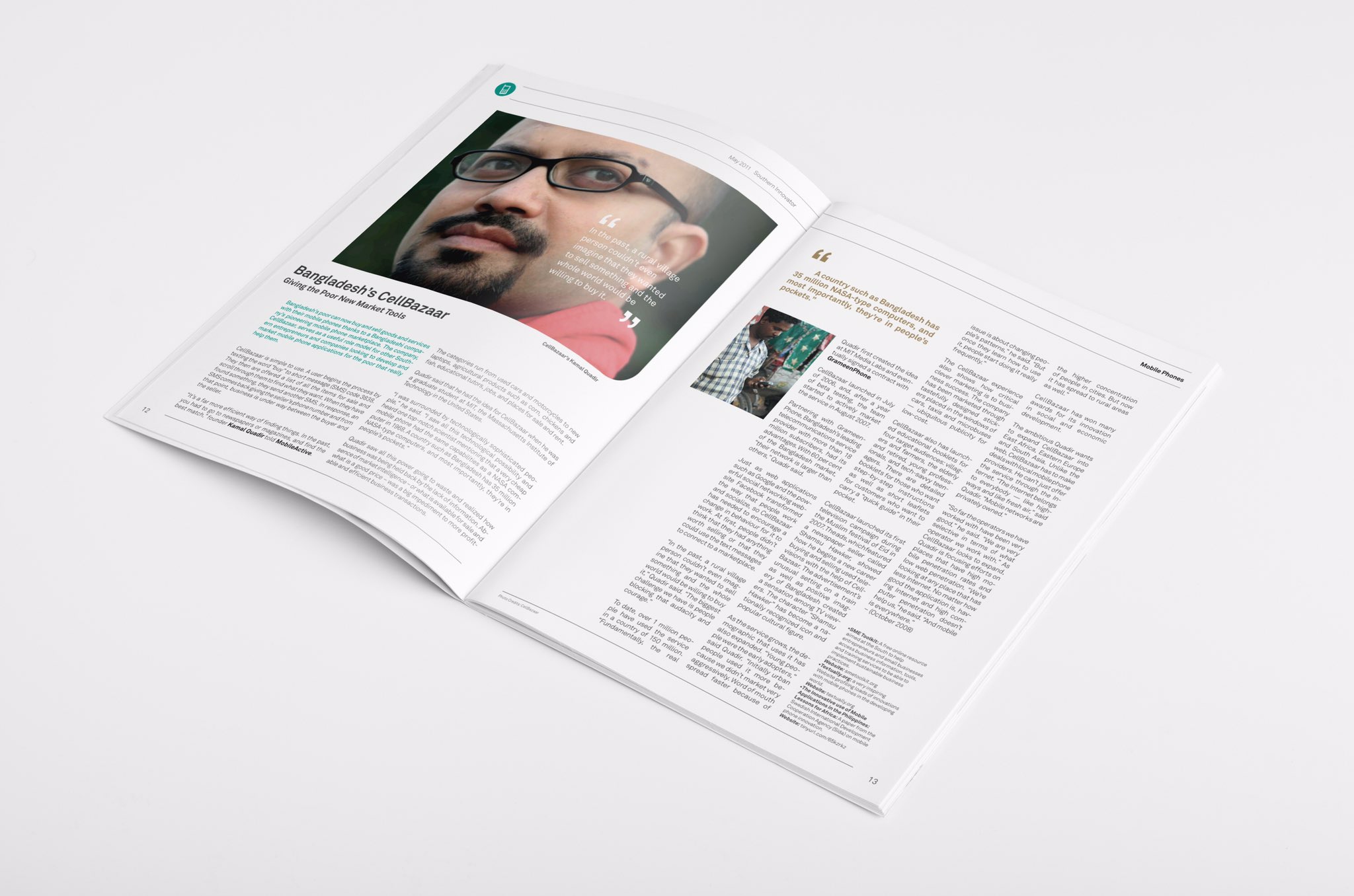
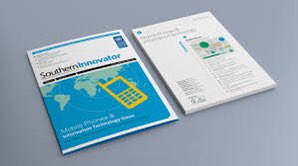
Southern Innovator (SI) is a new magazine for a fast-changing world. It profiles and celebrates the innovators across the global South finding new ways to tackle poverty, create wealth and improve human development and achieve the millennium development goals (MDGs). In its first issue, Southern Innovator features the people who are re-shaping new technologies – from mobile phone ‘apps’ to Internet technologies – to overcome poverty and to improve the quality of life in some of the poorest places on earth.

SI is based on intensive research and is produced by UNDP’s Special Unit for South-South Cooperation (www.southerninnovator.org). The Unit is the leading organisation in the world tasked with the goal of sharing knowledge across the global South. It organises events including the yearly South-South Expo (www.southsouthexpo.org), a roaming celebration and gathering of Southern innovators previously held in New York and Geneva, Switzerland. This year’s Expo will be held in Rome, Italy (5 to 9 December 2011).

SI is being distributed around the world through the United Nations network and partners and reaches some of the poorest and remotest places as well as the vibrant but stressed growing global megacities. It is hoped the magazine will inspire budding innovators with its mix of stories, essential information, facts and figures, images and graphics. The magazine will evolve based on reader responses and this first issue is very much the beginning of a journey. As became clear while researching this first issue, many things can change in a short space of time. Few could have imagined the rapid take-up of mobile phones in Africa and how these phones have become integral to development goals across the continent.

SI magazine is a quarterly publication and the next issues will launch in September and December of this year.

A summary for publication is here:

“Southern Innovator (ISSN 2222-9280) is a quarterly magazine published by the United Nations Development Programme’s Special Unit for South-South Cooperation. Launched in May 2011, SI is a new magazine celebrating creativity and innovation emerging from the global South. It explores entrepreneurial solutions to development challenges and uncovers the trends and events shaping the rise of the South in order to spur action on ending extreme poverty and toward reaching the Millennium Development Goals (MDGs).”

We hope you enjoy the magazine and find its content interesting and illuminating: a snapshot of a fast-changing world awash, as we found out, with innovators, creators and do-ers making their world a better place.

For more information on Southern Innovator contact Cosmas Gitta at cosmas.gitta@undp.org or editor David South at southerninnovator@yahoo.co.uk.

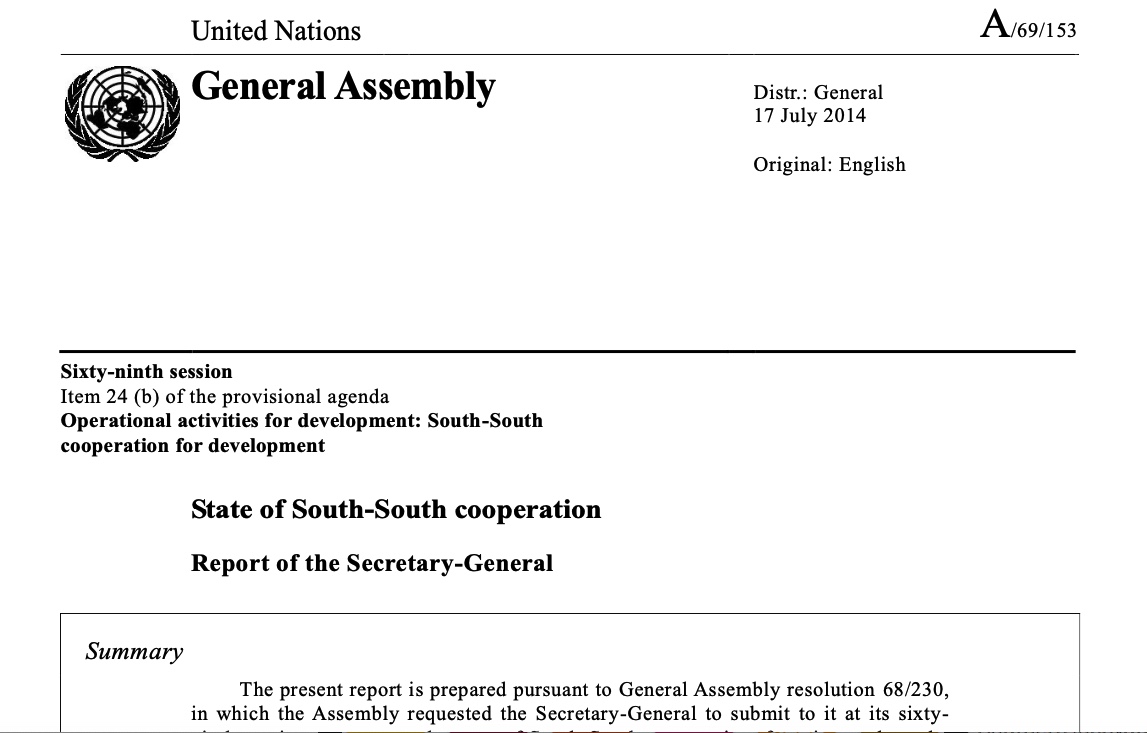
United Nations General Assembly: Sixty-ninth session, Item 24 (b) of the provisional agenda, Operational activities for development: South-South cooperation for development, 17 July 2014.
The research informing Southern Innovator Magazine played a part in the formulation of the UN’s post-2015 development agenda, including the Sustainable Development Goals (SDGs).

https://davidsouthconsulting.org/southern-innovator-scale-up-fundraiser/

ORCID iD: https://orcid.org/0000-0001-5311-1052.

© David South Consulting 2022